

Relationship communication tools span a wide spectrum, from structured workbooks you complete over weeks to card decks and games you can pull out on a random Tuesday night. My top overall pick is Nonviolent Communication: A Language of Life, because it teaches a transferable framework you can apply in every conversation, not just scripted exercises. Couples who want a guided program together will get more from the 8-Week Couples Therapy Workbook, while partners who dread “homework” will connect faster with The Skin Deep’s 199-question card deck. The main tradeoff in this category is depth versus accessibility: workbooks build lasting skills but demand commitment, while card-based tools lower the barrier to conversation but rarely repair deeper conflict patterns. Read on for the full breakdown of all 13 options.
Open a free Amazon Business account
Business pricing, bulk buying and tax-exempt orders.
Create a free accountAs an affiliate, we earn on qualifying purchases.
Key Takeaways
- Books that teach a repeatable framework (Nonviolent Communication, The Talk Book) outperformed exercise collections for long-term change, because couples could reuse the method in any argument rather than finishing a workbook and moving on.
- Card-based tools split into two distinct types: emotional prompt decks like The Skin Deep are best for rebuilding intimacy, while skill-training games like 52 Essential Emotional Intelligence teach concrete conversation techniques — they are not interchangeable.
- Time commitment was the biggest differentiator among workbooks, ranging from 12 days at 20 minutes (Couples Communication Workbook) to 8 weeks (8-Week Couples Therapy Workbook); most couples abandon programs that exceed their realistic weekly capacity.
- Post-argument repair is an underserved niche, and only the Communication Cards for Couples deck specifically targets reconciliation after conflict rather than general connection.
- Two entries in this lineup share nearly identical titles and promises (Emotional Intimacy for Couples); one delivers stronger structure and exercises, which shows why checking the table of contents matters in this crowded category.
| Nonviolent Communication: A Language of Life |  | Best Overall | Format: Paperback book | Primary Focus: Compassionate communication framework | Core Method: Observation, feelings, needs, requests | VIEW LATEST PRICE | See Our Full Breakdown |
| Communication Cards for Couples – Rebuild Connection After Arguments |  | Best for Post-Conflict Repair | Card Count: 54 cards | Intended Use: Post-conflict repair and emotional reconnection | Suitable For: Couples, long-term relationships, newlyweds | VIEW LATEST PRICE | See Our Full Breakdown |
| 8-Week Couples Therapy Workbook: Essential Strategies to Connect, Improve Communication, and Strengthen Your Relationship |  | Best Structured Program | Format: Spiral-bound workbook | Program Length: 8 weeks | Style: Self-guided, exercise-based | VIEW LATEST PRICE | See Our Full Breakdown |
| Communicate Your Feelings (Without Starting a Fight): What to Say and What Not to Say to Your Partner |  | Best for Conflict-Prone Conversations | Format: Book | Primary Focus: Expressing feelings without conflict | Approach: Phrase-level, scenario-based advice | VIEW LATEST PRICE | See Our Full Breakdown |
| Emotional Intimacy for Couples: Communication Skills, Trust-Building Habits, and Practical Tools to Deepen Connection and Strengthen Your Relationship |  | Best for Rebuilding Trust and Closeness | Format: Book | Primary Focus: Emotional intimacy, communication, trust-building | Approach: Practical tools and habit formation | VIEW LATEST PRICE | See Our Full Breakdown |
| The Ultimate Relationship Workbook for Couples | 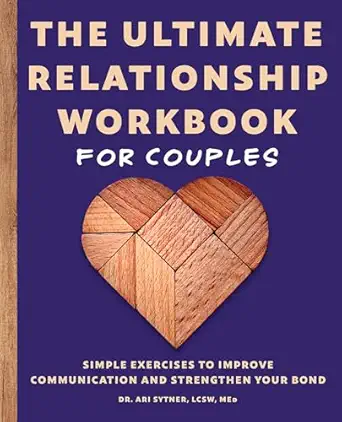 | Best Starter Workbook | Format: Paperback workbook | Content Type: Guided couples exercises | Focus: Communication and emotional bonding | VIEW LATEST PRICE | See Our Full Breakdown |
| Practical At-Home Couples Therapy Workbook |  | Best for Conflict Repair | Format: Paperback workbook | Content Type: Guided relationship toolkit | Focus: Honest communication, intimacy, conflict repair | VIEW LATEST PRICE | See Our Full Breakdown |
| 52 Essential Emotional Intelligence Training – Relationship Skills Card Game |  | Best for Skill Building Beyond the Couple | Number of Cards: 52 | Includes: Online course, EQ assessment | Suitable For: Couples, friends, co-workers, families | VIEW LATEST PRICE | See Our Full Breakdown |
| The Skin Deep Healing Edition – 199 Question Cards |  | Best for Reconnecting After Hurt | Number of Cards: 199 | Purpose: Heal strained relationships, improve communication | Suitable For: Couples, friends, family | VIEW LATEST PRICE | See Our Full Breakdown |
| Love More, Fight Less: Communication Skills Every Couple Needs | 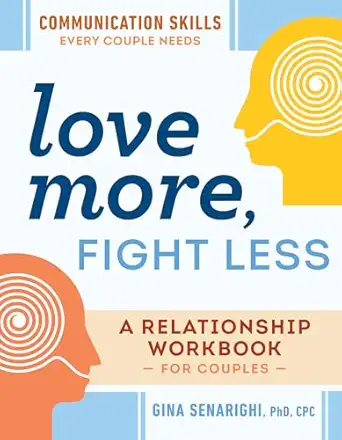 | Best for Conflict-Prone Couples | Format: Paperback workbook | Content Type: Communication exercises and strategies | Focus: Conflict resolution and understanding | VIEW LATEST PRICE | See Our Full Breakdown |
| Emotional Intimacy for Couples: Communication Skills, Trust-Building Habits, and Practical Tools to Deepen Connection and Strengthen Your Relationship |  | Best for Deepening Trust | Format: Book (print and digital editions) | Primary Focus: Emotional intimacy and communication skills | Secondary Focus: Trust-building habits | VIEW LATEST PRICE | See Our Full Breakdown |
| Couples Communication Workbook: 20 Minutes a Day for 12 Days to Improve Listening, Resolve Conflicts, and Strengthen Your Relationship |  | Best Low-Commitment Starter | Format: Workbook | Program Length: 12 days | Daily Time Required: 20 minutes | VIEW LATEST PRICE | See Our Full Breakdown |
| The Talk Book: With Six Prize-Winning Talk Tools That Strengthen Relationships and Repair Communication Breakdowns |  | Best for Repairing Communication Breakdowns | Format: Book | Core Content: Six prize-winning talk tools | Primary Focus: Repairing communication breakdowns | VIEW LATEST PRICE | See Our Full Breakdown |
| relationship communication tool | Format | Primary Focus |
|---|---|---|
| Nonviolent Communication: A La | Paperback book | Compassionate communication framework |
| Communication Cards for Couple | Physical card deck | — |
| 8-Week Couples Therapy Workboo | Spiral-bound workbook | — |
| Communicate Your Feelings | Book | Expressing feelings without conflict |
| Emotional Intimacy for Couples | Book | Emotional intimacy, communication, trust-building |
| The Ultimate Relationship Work | Paperback workbook | — |
| Practical At-Home Couples Ther | Paperback workbook | — |
| 52 Essential Emotional Intelli | Card game with digital companion | Emotional intelligence and communication skills |
| The Skin Deep Healing Edition | Question card deck | — |
| Love More | Paperback workbook | — |
| Emotional Intimacy for Couples | Book (print and digital editions) | Emotional intimacy and communication skills |
| Couples Communication Workbook | Workbook | Listening and conflict resolution |
| The Talk Book: With Six Prize- | Book | Repairing communication breakdowns |
More Details on Our Top Picks
Nonviolent Communication: A Language of Life
This option stands out as the foundational text of relationship communication — the framework most other books on this list quietly borrow from. Where Communicate Your Feelings (Without Starting a Fight) focuses narrowly on conflict moments, this book teaches a complete language system: observing without judging, naming feelings, identifying needs, and making clear requests. The tradeoff is depth over convenience. This is not a quick-fix read; the techniques genuinely take weeks of practice to feel natural, and some couples find the scripted phrasing awkward at first. Compared with the 8-Week Couples Therapy Workbook, it demands more self-direction — there are no fill-in exercises to structure your progress. But for buyers who want a skill that transfers beyond their romantic relationship into friendships, parenting, and work, this pick makes the most sense.
Pros:- Teaches a complete, transferable communication framework applicable well beyond romantic relationships
- Backed by decades of adoption in therapy, mediation, and education settings
- Strong focus on empathy for both speaker and listener, not just one partner’s needs
- Framework underpins many other relationship books, making it a strong single purchase
Cons:- Techniques require weeks of deliberate practice to use naturally
- Scripted phrasing can feel stilted or artificial during real arguments
- No structured exercises — couples must create their own practice routine
Best for: Couples and individuals who want a durable, transferable communication framework rather than a quick exercise program
Not ideal for: Couples in active crisis who need immediate, guided exercises — the framework takes sustained practice before it pays off
- Format:Paperback book
- Primary Focus:Compassionate communication framework
- Core Method:Observation, feelings, needs, requests
- Scope:Personal and professional relationships
- Skill Level Required:Beginner-friendly concepts, intermediate practice
- Exercises Included:Limited; practice-driven
Our verdict“Buy this if you want one book that teaches a lifelong communication skill rather than a temporary relationship patch.”
Communication Cards for Couples – Rebuild Connection After Arguments
Where every book in this roundup teaches you what to say, these cards say it for you — and that’s the entire value proposition. After a fight, when both partners are flooded and words fail, pulling a card with an honest, pre-written message lowers the barrier to reconnection dramatically. Compared with The Skin Deep Healing Edition’s 199 open-ended question cards, this deck is narrower and more targeted: 54 messages designed specifically for the fragile hours after conflict, not general conversation. That focus is a real strength and a real limit. The cards won’t teach underlying skills the way Nonviolent Communication does, and couples with deep recurring patterns will hit the ceiling quickly. But as a low-effort, no-training intervention you can keep in a nightstand drawer, nothing else here matches its accessibility.
Pros:- Requires zero training or reading — usable mid-emotion with no preparation
- Pre-written messages remove the hardest step: finding words when flooded
- Portable format works for travel, deployment, or long-distance relationships
- Specifically designed for post-argument moments rather than general bonding
Cons:- Not a substitute for therapy or genuine communication skill-building
- Fixed card set can feel repetitive for couples who argue often
- Limited to verbal-emotional expression styles; less useful for very private partners
Best for: Couples who repeatedly struggle to reconnect after arguments and need a low-effort bridge back to conversation
Not ideal for: Couples with chronic conflict patterns who need skill-building or professional help — cards address symptoms, not causes
- Card Count:54 cards
- Intended Use:Post-conflict repair and emotional reconnection
- Suitable For:Couples, long-term relationships, newlyweds
- Portability:Yes — pocket-sized deck
- Preparation Required:None
- Format:Physical card deck
Our verdict“This makes the most sense for couples who know what to work on but freeze in the aftermath of fights.”
8-Week Couples Therapy Workbook: Essential Strategies to Connect, Improve Communication, and Strengthen Your Relationship
This workbook earns its spot by solving the biggest problem with communication books: nobody actually does the work. The eight-week timeline turns vague intentions into a scheduled program, and the spiral binding means pages lie flat while you write — a small design choice that matters weekly. Compared with the Couples Communication Workbook’s lighter 20-minutes-a-day-for-12-days format, this is the more demanding, more thorough option, closer to a self-guided therapy course than a casual exercise book. The tradeoff is commitment: couples who can’t carve out consistent weekly time will abandon it by week three, and a half-finished workbook can create its own resentment. It also assumes both partners are willing participants, which rules out the reluctant-partner scenario. For motivated couples who want structure over theory, this model is better suited than any pure-reading option here.
Pros:- Eight-week structure converts good intentions into a concrete schedule
- Spiraral binding lets pages lie flat for easy joint writing
- Covers connection, communication, and relationship strength in one arc
- Cheaper and more private than repeated therapy sessions
Cons:- Requires sustained weekly commitment from both partners to work
- Lacks the depth of a trained therapist when serious issues surface
- No external accountability — easy to abandon midway
Best for: Motivated couples who want a scheduled, self-guided program and will commit to weekly sessions
Not ideal for: Couples with one unwilling partner or unpredictable schedules — the program collapses without consistent participation
- Format:Spiral-bound workbook
- Program Length:8 weeks
- Style:Self-guided, exercise-based
- Partner Requirement:Both partners participate
- Time Commitment:Weekly sessions over two months
- Portability:Yes
Our verdict“The right choice for couples who follow through on programs and want therapy-style structure at home.”
Communicate Your Feelings (Without Starting a Fight): What to Say and What Not to Say to Your Partner
This book takes the most common failure point in relationships — the conversation that starts as sharing and ends as a fight — and drills into it specifically. Its do-say/don’t-say framing is immediately actionable in a way that broader books like Emotional Intimacy for Couples are not; you can open it, find your situation, and adjust your wording tonight. The narrower scope is the honest tradeoff. Readers looking for a full communication philosophy should choose Nonviolent Communication instead, and this book’s brevity means it covers common scenarios rather than deep-seated patterns. But for the buyer whose problem is precisely that honest feelings keep turning into arguments, this targeted approach beats a generalist book you’ll never finish. Think of it as a field manual rather than a textbook.
Pros:- Concrete say-this-not-that guidance usable immediately
- Tightly focused on the escalation problem most couples actually face
- Short enough to read and apply within days
- Practical tone avoids clinical jargon
Cons:- Narrow scope skips trust-building and deeper emotional intimacy work
- Phrase-level fixes may not hold for entrenched conflict patterns
- Fewer exercises than workbook-style competitors
Best for: Partners whose honest attempts to share feelings regularly escalate into arguments and want quick phrase-level fixes
Not ideal for: Couples seeking deep trust-building or long-term relationship work — the scope is deliberately narrow
- Format:Book
- Primary Focus:Expressing feelings without conflict
- Approach:Phrase-level, scenario-based advice
- Reading Time:Short — readable in days
- Exercises Included:Minimal
- Best Use:Quick reference during tense periods
Our verdict“A focused field guide for couples who need better wording in tense moments, not a complete relationship overhaul.”
Emotional Intimacy for Couples: Communication Skills, Trust-Building Habits, and Practical Tools to Deepen Connection and Strengthen Your Relationship
Where most picks in this lineup optimize for handling conflict, this book targets what comes after: rebuilding intimacy and trust so fights happen less often. It pairs communication skills with trust-building habits, which makes it a better fit for couples in a distant-but-not-fighting rut than for couples in active blowups — a real distinction from Communicate Your Feelings, which is the opposite tool for the opposite problem. Compared with the 8-Week Couples Therapy Workbook, it reads more like a resource you sample than a program you complete, which suits partners who chafe at homework but reduces accountability. The tradeoff is breadth: covering communication, trust, and connection in one book means each topic gets less depth than a specialist title. For couples whose real complaint is we’ve drifted, this is the most on-target choice here.
Pros:- Combines communication skills with trust-building in one resource
- Addresses emotional distance, not just fighting
- Readable in pieces — no rigid program to follow
- Habit-based approach suits gradual, lasting change
Cons:- Broad scope means shallower coverage of each individual topic
- Lacks the structure and accountability of a workbook format
- Newer release with limited reader feedback to gauge results
Best for: Long-term couples feeling emotionally distant who want to rebuild trust and closeness, not just manage arguments
Not ideal for: Couples in frequent active conflict who need de-escalation tactics first — intimacy work before conflict skills rarely sticks
- Format:Book
- Primary Focus:Emotional intimacy, communication, trust-building
- Approach:Practical tools and habit formation
- Structure:Modular — readable in any order
- Time Commitment:Flexible, self-paced reading
- Exercises Included:Some, not program-based
Our verdict“The strongest pick for couples who fight less but feel less — rebuild closeness here before sharpening conflict skills.”
The Ultimate Relationship Workbook for Couples
For couples picking up their first communication workbook, this option earns its place by keeping things simple. Where Love More, Fight Less leans into structured conflict-resolution strategy, this workbook prioritizes low-friction, easy-to-follow exercises that don’t demand a therapy-grade time commitment. That accessibility is the tradeoff: readers who want deeper frameworks, like those in the 8-Week Couples Therapy Workbook, may find the activities here too lightweight for entrenched problems. This pick makes the most sense for couples who are broadly happy but want to build better habits before issues calcify.
Pros:- Practical, simple exercises that don’t overwhelm beginners
- Focuses on emotional connection alongside communication
- Easy-to-follow activity format fits busy schedules
- Broad enough for couples at any relationship stage
Cons:- Exercises may feel too shallow for couples with deep-rooted issues
- Little detailed guidance on handling serious conflict or repair work
Best for: Couples new to relationship workbooks who want simple, low-pressure exercises to build communication habits early
Not ideal for: Couples in serious conflict who need structured, in-depth conflict-repair frameworks this workbook isn’t designed to provide
- Format:Paperback workbook
- Content Type:Guided couples exercises
- Focus:Communication and emotional bonding
- Difficulty Level:Beginner-friendly
- Time Commitment:Short, standalone activities
- Best Use:Preventive relationship maintenance
Our verdict“A gentle entry point for couples starting their communication journey rather than those in crisis.”
Practical At-Home Couples Therapy Workbook
Among the workbooks in this roundup, this one stands out for its explicit focus on repairing relationships after rupture. Compared with The Ultimate Relationship Workbook for Couples, which works well for maintenance, this toolkit is built for couples actively working through honest communication, intimacy loss, and recurring conflict. The guided structure mirrors what a therapist might assign between sessions, which is both its strength and its limitation: it demands real commitment and regular practice, and it explicitly is not a replacement for professional help when a relationship is in genuine distress.
Pros:- Targets conflict repair, not just general communication
- Guided exercises encourage honest, supportive dialogue
- Addresses intimacy restoration alongside communication
- Structured approach mirrors professional therapy homework
Cons:- Requires sustained commitment and consistent practice to see results
- Not a substitute for professional therapy in serious situations
- Heavier emotional investment than lighter card-based alternatives
Best for: Couples recovering from repeated conflict or emotional distance who are willing to commit to regular guided exercises together
Not ideal for: Couples seeking casual conversation starters or anyone hoping for a passive, low-effort fix
- Format:Paperback workbook
- Content Type:Guided relationship toolkit
- Focus:Honest communication, intimacy, conflict repair
- Structure:Therapist-style guided exercises
- Commitment Level:High — regular practice required
- Best Use:Active conflict and intimacy recovery
- Professional Support:Supplement to, not replacement for, therapy
Our verdict“The right choice for couples ready to do deliberate repair work together, not those wanting light enrichment.”
52 Essential Emotional Intelligence Training – Relationship Skills Card Game
This card set takes a different approach than every workbook here: instead of exercises, it gamifies emotional intelligence training developed by a Harvard researcher. The bundled online course and EQ assessment give it a learning depth that The Skin Deep Healing Edition lacks, though the latter offers nearly four times the conversation prompts. Its flexibility is the standout — the same deck works for couples, coworkers, friends, and family, making it the most versatile pick in the lineup. The tradeoff is that 52 cards can feel finite for a couple working through specific issues, and you’ll need a device to unlock the digital content.
Pros:- Developed by a Harvard researcher with executive-coaching pedigree
- Includes free online course and EQ assessment for deeper learning
- Works for romantic, professional, and family relationships alike
- Compact, portable card format is easy to use anywhere
Cons:- Only 52 cards — limited scenario coverage for focused couple work
- Requires a phone, tablet, or computer for the digital extras
- Benefits depend heavily on genuine engagement, not passive play
Best for: Couples and families who want a portable, repeatable way to build emotional intelligence skills across many relationship types
Not ideal for: Couples who want deep, issue-specific conversation content or who prefer avoiding screen-based components
- Number of Cards:52
- Includes:Online course, EQ assessment
- Suitable For:Couples, friends, co-workers, families
- Developed By:Harvard researcher and executive coach
- Device Compatibility:Phone, tablet, computer
- Format:Card game with digital companion
- Primary Focus:Emotional intelligence and communication skills
Our verdict“A smart buy for skill-building across all your relationships, not the deepest option for couple-specific healing.”
The Skin Deep Healing Edition – 199 Question Cards
Where the 52 Essential deck trains broad EQ skills, this set has one job: healing strained relationships through guided questions. With 199 prompts — nearly four times the card count of the 52 Essential deck — it creates a structured, safe container for exploring feelings, sharing memories, and rebuilding emotional walls brick by brick. Compared with a workbook like Practical At-Home Couples Therapy Workbook, it trades exercises and strategy for conversation depth, which makes it feel less clinical and more intimate. That narrow purpose is also its limitation: it’s not a general-purpose communication tool, and it only works if both people are genuinely willing to open up.
Pros:- 199 prompts provide unusually deep and varied conversation coverage
- Creates a safe, structured space for difficult emotional topics
- Works for couples, friends, and family relationships
- Less clinical feel than workbook-based approaches
Cons:- Only effective when both people are open and willing to share honestly
- Narrowly focused on healing — not versatile for general skill-building
Best for: Couples or family members working through hurt and distance who want a gentle, question-led way back to closeness
Not ideal for: Buyers wanting versatile everyday communication tools or structured skills training — this set is purpose-built for healing
- Number of Cards:199
- Purpose:Heal strained relationships, improve communication
- Suitable For:Couples, friends, family
- Format:Question card deck
- Content Type:Diverse conversation prompts and memory-sharing topics
- Approach:Guided dialogue, not exercises or coursework
- Best Use:Reconnection after emotional strain
Our verdict“The most powerful choice in this lineup for couples actively healing, provided both partners are ready to be vulnerable.”
Love More, Fight Less: Communication Skills Every Couple Needs
This workbook earns its spot by attacking the problem most couples actually face: the recurring fight. Unlike The Ultimate Relationship Workbook for Couples, which spreads its focus across general bonding, this book is organized around conflict-resolution skills specifically — what to say, what to avoid, and how to de-escalate. It sits between the lighter starter workbooks and the heavier Practical At-Home Couples Therapy Workbook in intensity: more strategy than the former, less clinical than the latter. The realistic caveat is that results require consistent effort; couples who dip in casually will likely see little change.
Pros:- Directly targets recurring conflict and argument patterns
- Practical exercises translate into usable everyday skills
- Balanced depth — more strategic than starter workbooks, less clinical than therapy-style guides
- Supports long-term relationship growth, not just quick fixes
Cons:- Improvement depends on sustained, repeated practice
- Sparse supplementary detail compared with more structured programs
Best for: Couples stuck in repeating arguments who want practical, teachable communication skills to defuse conflict
Not ideal for: Couples unwilling to practice the exercises regularly or those wanting a quick, passive read
- Format:Paperback workbook
- Content Type:Communication exercises and strategies
- Focus:Conflict resolution and understanding
- Difficulty Level:Intermediate
- Time Commitment:Regular practice required for results
- Best Use:Breaking recurring argument cycles
Our verdict“The best middle-ground pick for couples whose communication problems show up as fights they can’t seem to stop having.”
Emotional Intimacy for Couples: Communication Skills, Trust-Building Habits, and Practical Tools to Deepen Connection and Strengthen Your Relationship
Among the workbooks in this roundup, most options — like the Couples Communication Workbook — focus on conflict mechanics. This one stands out for going a layer deeper, treating communication as a function of emotional intimacy and trust rather than a set of scripts. That framing makes this pick the better match for couples who argue rarely but still feel distant, while conflict-heavy couples will likely get faster results from Love More, Fight Less. The tradeoff is that trust-building is slow work: this isn’t a 12-day fix, and the book demands sustained commitment from both partners to produce real change. Compared with the 8-Week Couples Therapy Workbook, it is less structured and more habit-oriented, which suits self-directed readers but frustrates those wanting a day-by-day roadmap.
Pros:- Treats the root cause (emotional distance) rather than just symptoms like arguments
- Practical habits format makes advice actionable rather than purely theoretical
- Works for couples at any stage, including those who rarely fight
- Dual focus on communication and trust-building covers more relationship ground
Cons:- Requires sustained commitment from both partners over weeks or months, not days
- Sparse verified reviews make it harder to gauge real-world effectiveness than established titles like Nonviolent Communication
Best for: Couples who communicate adequately on the surface but feel emotionally distant and want a habits-based path back to closeness
Not ideal for: Couples in active, frequent conflict who need immediate de-escalation tactics — the trust-first approach works too slowly for crisis situations
- Format:Book (print and digital editions)
- Primary Focus:Emotional intimacy and communication skills
- Secondary Focus:Trust-building habits
- Approach:Practical tools and habit formation
- Best Use Period:Ongoing, long-term practice
- Partner Commitment Level:High — designed for both partners
- Publisher Reviews:Limited verified reader reviews available
Our verdict“Choose this if your relationship’s problem is quiet distance rather than loud conflict — and only if both partners will commit to the long haul.”
Couples Communication Workbook: 20 Minutes a Day for 12 Days to Improve Listening, Resolve Conflicts, and Strengthen Your Relationship
The genius of this workbook is its 20-minute, 12-day format — a promise almost no other option in this roundup makes. Where the 8-Week Couples Therapy Workbook asks for two months of dedication, this one is built for couples whose real obstacle isn’t willingness but time. That makes it the most realistic entry point for skeptical or busy partners, especially ones who would balk at a thick book like Nonviolent Communication. The tradeoff is depth: twelve short sessions can introduce listening and conflict-resolution skills, but they can’t untangle entrenched patterns the way The Talk Book’s repair-focused tools aim to. It functions best as a warm-up — a way to build momentum before committing to a longer program, rather than a complete solution on its own.
Pros:- 20-minute daily sessions fit into even the busiest schedules
- Clear 12-day structure removes the ‘where do we start’ paralysis
- Covers both listening skills and conflict resolution in one program
- Low commitment level makes it easy to get a hesitant partner on board
Cons:- Twelve days is a short runway for changing ingrained communication habits
- Limited public reviews and content details make it a bit of a leap of faith compared with better-documented workbooks
Best for: Busy couples or partners reluctant about ‘relationship work’ who need a low-stakes, time-boxed way to start
Not ideal for: Couples with deep-rooted conflict patterns expecting a 12-day program to resolve what took years to build
- Format:Workbook
- Program Length:12 days
- Daily Time Required:20 minutes
- Primary Focus:Listening and conflict resolution
- Structure:Daily guided exercises
- Partner Commitment Level:Moderate — short daily sessions
- Total Program Hours:Approximately 4 hours
Our verdict“This is the least intimidating first step in the roundup — ideal for starting the conversation, not finishing it.”
The Talk Book: With Six Prize-Winning Talk Tools That Strengthen Relationships and Repair Communication Breakdowns
Where most entries in this roundup try to prevent communication problems, this book is built for the aftermath — the moments when things have already broken down. Its six named ‘talk tools’ give couples a concrete vocabulary for repair, which is more prescriptive than the broad skill-building in Emotional Intimacy for Couples and more focused on damage control than the preventive exercises in the Couples Communication Workbook. As an older title, it has survived on word of mouth rather than marketing hype, which counts for something in a category flooded with lookalike workbooks. The tradeoffs: a classic communication book reads more like theory than a guided program, so couples wanting fill-in exercises should pair it with a workbook, and its age means some examples may feel dated next to newer releases.
Pros:- Six distinct, memorable tools rather than vague general advice
- Specifically designed for repairing breakdowns, not just preventing them
- Long track record as an established title in the category
- Tool-based framework is easy to reference mid-conflict
Cons:- No guided exercises or workbook structure for hands-on learners
- Older publication date means dated examples and limited current availability details
Best for: Couples stuck in repeating communication breakdowns who want named, repeatable techniques for repairing specific failures
Not ideal for: Couples who prefer hands-on exercises and structured daily practice — this is a techniques book, not a workbook
- Format:Book
- Core Content:Six prize-winning talk tools
- Primary Focus:Repairing communication breakdowns
- Secondary Focus:Strengthening relationships
- Approach:Technique-based, prescriptive
- Partner Commitment Level:Individual or paired reading
- Publication Era:Older established title
Our verdict“Pick this one when the damage is already done and you need repair techniques you can actually name and use mid-argument.”

How We Picked
I evaluated every tool through one lens: does it actually change how two people talk to each other? That meant judging skill transferability (does it teach a method couples can use unprompted, or only scripted exercises?), time and effort required, accessibility for reluctant partners, and depth of conflict coverage — whether the tool addresses real fights, repair, and resentment or stays at the surface level of date-night questions. I also weighed format honestly: a deck of cards and a 250-page book solve different problems, so each was ranked against its own format’s best, not against each other unfairly.
The ranking order reflects a simple logic: tools that build durable communication skills rank highest, guided programs with clear structure come next, and low-friction card tools follow — not because they are lesser products, but because their ceiling for deep conflict repair is lower. Price played a role in value placements, but a cheap workbook that never gets opened is worse value than a pricier one that gets used weekly, so cost was judged against likely engagement, not sticker price alone.
Factors to Consider When Choosing Relationship Communication Tools
Before picking a specific tool, it helps to understand what kind of communication problem you are actually trying to solve. The biggest mistake couples make is buying a deep therapy-style workbook when what they need is a low-pressure way to start talking again — or the reverse.
Skill-Building Books vs. Guided Workbooks
These two formats look similar on a product page but work very differently in practice. A skills-based book like Nonviolent Communication teaches principles and conversation frameworks you internalize and carry into any disagreement, but it requires both partners to actually read and absorb the ideas. A guided workbook converts those ideas into fill-in exercises with a schedule, which suits couples who do better with structure than with theory. The common mistake is assuming the workbook is always easier — many couples buy workbooks, complete two chapters, and shelve them, while a book with one memorable framework may get referenced for years. Ask honestly which format your partner will engage with, because the tool only works if both people participate.
Your Partner’s Willingness Level
This is the single most underrated factor. If one partner is enthusiastic and the other is skeptical, a therapy-flavored workbook with nightly homework can feel like an accusation and backfire entirely. Card decks and conversation games are designed exactly for this situation: they frame connection as a shared activity rather than a corrective program. If you are the only one shopping for a communication tool, start with the lowest-friction option you can find, build some positive momentum, and graduate to structured work later. Choosing a tool your partner will resist is the most expensive mistake in this category, regardless of price.
Repair vs. Prevention: What Stage Are You In?
Tools aimed at deepening an already-functioning relationship (question decks, intimacy prompts) are very different from tools aimed at repairing broken trust or recurring conflict (conflict-focused workbooks, therapy-style programs). Couples in frequent conflict who buy a light question deck often end up disappointed because pleasant conversations do not address the fight pattern underneath. Conversely, couples in a good place who buy a trauma-informed repair workbook may find it heavier than needed. Be honest about whether you are maintaining, improving, or repairing — the right tool for the wrong stage is the second most common buying error.
Realistic Time Commitment
Programs in this roundup range from 20 minutes a day for 12 days to multi-week therapy-style courses, and completion rates fall sharply as demands rise. Look at your actual calendar, not your idealized one: if you share kids, opposing schedules, or limited alone time, a shorter program completed fully beats an ambitious one abandoned at week three. Also check whether the tool requires simultaneous participation or can be done asynchronously — some workbooks let partners journal separately and discuss later, which fits irregular schedules far better than nightly joint sessions. The pacing mismatch between what a program demands and what a couple can sustain explains most abandoned purchases.
Author Credentials and Evidence Base
This category is flooded with self-published titles with near-identical covers and promises — including two books in this very roundup with the same title. Licensed therapists and authors with decades of clinical practice (like the Rosenberg and Faber titles) tend to offer methods tested across thousands of couples, while many newer workbooks repackage the same exercises with fresh branding. That does not mean newer books are bad, but it does mean you should check the table of contents and author bio before buying rather than relying on the subtitle alone. Reviews from couples who finished the program are more informative than five-star ratings from couples who bought it.
Price and Format Tradeoffs
Card decks typically cost more per hour of use than paperbacks, but their pick-up-anytime format often delivers better real-world engagement, which makes them strong value despite the higher price. Workbooks are cheap but only pay off if completed. Audiobook versions of skills books are a smart middle path for partners who will not read but will listen during a commute. Avoid bundling multiple tools at once — buying a book, a deck, and a workbook simultaneously usually means none gets used properly. Start with one tool matched to your situation, and add another only after the first has run its course.
Frequently Asked Questions
Can a workbook or card deck really replace couples therapy?
For couples dealing with everyday communication friction — recurring arguments, emotional distance, poor listening habits — a well-designed tool can genuinely shift patterns and often costs less than a single therapy session. However, products in this category are not equipped to handle active affairs, addiction, contempt-level conflict, or questions of whether to stay together, and a book that promises otherwise is overreaching. A reasonable framing is that these tools work best as either a first step before therapy or a maintenance layer after it. If either partner feels unsafe or fundamentally hopeless about the relationship, a licensed therapist should come first, with a workbook used alongside sessions rather than instead of them.
My partner is reluctant to work on our communication. Which tool should I start with?
Start with something that does not look like work. A question card deck framed as a game or a cozy evening activity — the type The Skin Deep and 52 Essential specialize in — removes the accusation implicit in handing someone a therapy workbook. The key is choosing a tool where participation feels voluntary and even fun, because forced homework routinely triggers resistance in exactly the partner you are hoping to engage. Once a few positive conversations have happened, you can suggest a structured workbook as a natural next step rather than a correction. Many couples find the deck-to-workbook progression works far better than starting with the workbook directly.
Is it better to read a communication skills book or do a workbook together?
It depends on how you two learn. Skills books teach frameworks you can apply instantly in any conversation, and they work even if only one partner reads — one person changing how they communicate often shifts the dynamic on its own. Workbooks demand joint participation and time, but they force practice rather than just understanding, which is why they often produce faster visible change when both partners commit. If only one of you is motivated to read, choose the book. If both of you are willing to sit down together weekly, the workbook will likely move things further. The failure mode for each is different: books go unread, workbooks go unfinished.
How long should we expect before we see real changes?
Honest answer: single conversations improve immediately with question decks, but entrenched argument patterns typically take several weeks of consistent practice to shift. The programs in this roundup reflect that reality, with timelines ranging from 12 days to 8 weeks, and the shorter ones mainly aim at listening skills and warmth rather than deep conflict repair. Expect quick wins in tone and willingness to talk, slower progress on recurring fights, and occasional regression during stressful weeks — that is normal, not failure. Couples who treat these tools as a one-time fix tend to be disappointed; those who treat them as ongoing practice report the lasting gains.
Are the more expensive card decks worth it compared to a $15 paperback?
Often yes, but only for a specific reason: engagement, not content. A paperback may contain more wisdom per dollar, but its value collapses to zero if it sits unread on a nightstand. Card decks cost more yet get used, because they require no reading commitment, work in ten spare minutes, and can live on a coffee table as a visible invitation. If your history with self-help books involves buying more than finishing, the deck is the smarter purchase despite the price. If you two are readers who finish what you start, the paperback delivers far more depth for the money.
Conclusion
For best overall, Nonviolent Communication earns the top spot because it teaches a communication method couples carry into every conversation rather than a finite set of exercises. For best value, the Couples Communication Workbook packs a complete 12-day listening and conflict program into a cheap paperback — the lowest cost-per-completed-lesson in the lineup. For best premium, the 8-Week Couples Therapy Workbook offers the most thorough guided program here, closest to a therapy experience at home. For beginners and reluctant partners, The Skin Deep’s 199-question deck or the 52 Essential card game starts real conversations without any homework. And for specific needs: couples stuck in a repair-after-fight loop should reach for the Communication Cards for Couples deck, while those wanting a conversational toolkit for daily friction will find The Talk Book the best fit. Match the tool to your stage, your partner’s willingness, and your realistic schedule — the best relationship communication tool is always the one you will both actually use.
Flea & tick season Picks
flea and tick prevention
As an affiliate, we earn on qualifying purchases.