

AI dating filters can boost your confidence by subtly enhancing your features, which may influence how you see yourself and attract others. These filters often reflect cultural beauty standards and can shape what’s considered attractive, potentially creating a feedback loop that homogenizes ideals of beauty. While they allow you to experiment with different looks, overuse might distort your self-image or reinforce stereotypes. Staying aware of these effects can help you navigate attraction more mindfully as you explore further.

Get gifts for the two of you delivered free with Prime
- Fast, free delivery on millions of items
- Prime Video, Amazon Music and more included
- Member-only deals all year
Key Takeaways
- AI filters enhance perceived attractiveness, influencing initial attraction and confidence in virtual interactions.
- Cultural standards embedded in filters reinforce societal beauty ideals, shaping perceptions of attractiveness.
- Feedback loops in filter algorithms promote homogenized beauty standards, affecting individual preferences.
- Overreliance on filters may distort perceptions of real-world attractiveness and authenticity.
- Filters allow experimentation with identity, potentially broadening or narrowing attractiveness standards.
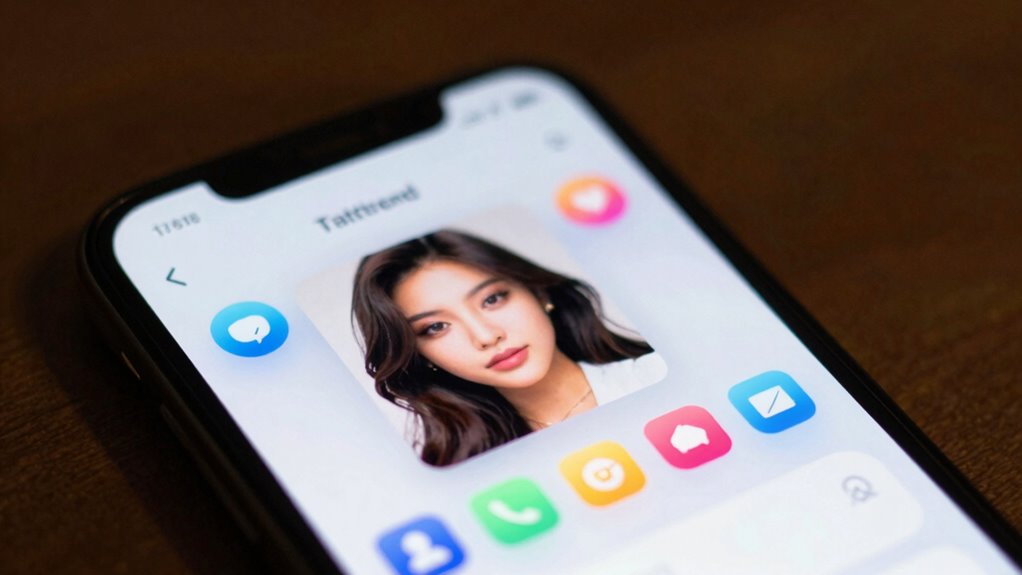
In today’s digital age, AI-powered dating filters are transforming how people perceive attraction online. These filters don’t just change your appearance; they influence your virtual confidence, shaping how you present yourself and how others see you. When you use filters that subtly enhance your features or adjust lighting and background, you might feel more assured about your attractiveness. This boost in virtual confidence can make initiating conversations easier and foster a more positive outlook during your online dating experiences. But it’s not just about personal confidence—these filters are also deeply influenced by cultural standards. Different cultures prioritize different traits or aesthetics, and AI algorithms often incorporate these preferences into the filtering process. For example, in some societies, a certain skin tone, facial feature, or hairstyle might be considered more attractive, and filters will subtly emphasize these traits to align with local ideals. As a user, you might unknowingly adopt these cultural influences, shaping your perception of what constitutes beauty and attraction. This can be empowering, helping you feel more connected to your cultural identity, or it can set unrealistic standards that skew your expectations.
AI filters also reinforce these cultural influences by continually learning what users find appealing within specific communities. They adapt to trends, making certain looks appear more desirable over time. This dynamic creates a feedback loop—what’s popular influences the filters, which in turn shapes what users find attractive and aspire to look like. As a result, your perception of attractiveness becomes intertwined with cultural norms reinforced by AI, often leading to homogenized ideals that are widely accepted but may not reflect diverse beauty standards. Additionally, the customization options offered by AI filters enable users to experiment with different beauty standards, which can either broaden perceptions of attractiveness or reinforce narrow ideals. These evolving standards are influenced not only by societal values but also by the technology’s learning algorithms, which adapt based on user interactions and preferences. Understanding how these filters adapt and influence perceptions highlights the importance of cultural beauty norms in shaping individual preferences and societal ideals. It’s crucial to recognize that these evolving standards are driven by both technology and societal values, which can sometimes perpetuate stereotypes. Moreover, the learning algorithms behind these filters can sometimes unintentionally reinforce biases, further complicating perceptions of beauty.
At the same time, these filters can influence how you view yourself and others. If you rely heavily on digital enhancements, you might start equating attractiveness with the idealized images presented by these filters. That can affect your self-esteem and how you engage in real-world interactions. On the flip side, some users embrace the filters as a way to express their identity or experiment with different looks, which can boost their confidence in authentic ways. Ultimately, AI dating filters are reshaping attraction by blending technology, cultural influences, and personal perceptions. They offer new opportunities for self-expression and confidence, but also raise questions about the standards we set for beauty and authenticity in an increasingly digital world. Recognizing the influence of cultural standards can help users develop a more nuanced understanding of beauty and authenticity.
As an affiliate, we earn on qualifying purchases.
Frequently Asked Questions
Can AI Filters Replace Genuine Human Connection?
AI filters can’t fully replace genuine human connection because they often compromise virtual authenticity. While filters might help you present a polished image, they can limit emotional depth and real interaction. You might feel more confident initially, but true connections thrive on honesty and vulnerability. Relying too much on filters risks creating superficial bonds, making it harder to build meaningful relationships rooted in authenticity and genuine understanding.
How Do Filters Impact Self-Esteem in Dating?
Filters can profoundly impact your self-esteem by shaping your self-perception and confidence levels. When you rely on filters, you might start to believe that only edited images are attractive, which can lower your confidence in your real self. Over time, this reliance may make you feel less satisfied with your natural appearance, affecting how you view yourself and potentially hindering genuine connections based on authenticity.
Are AI Filters Biased Toward Certain Attractiveness Standards?
AI filters often show aesthetic biases, favoring certain beauty standards over others. You might notice that filters tend to promote specific features associated with mainstream attractiveness, reinforcing narrow beauty ideals. These biases can influence your perception of attractiveness, making you subconsciously favor certain looks. While filters aim to enhance, they sometimes perpetuate unrealistic beauty standards, which can limit diversity and affect how you view genuine connection and real beauty.
Will AI Filters Influence Long-Term Relationship Success?
AI filters might influence long-term relationship success by skewing perceptions of attractiveness, making authenticity concerns more prominent. While filters can boost initial attraction, they risk compromising emotional authenticity, which is essential for lasting bonds. You may find yourself attracted to a curated version of someone, but genuine connection relies on honesty and vulnerability. Over time, if authenticity fades, the relationship could struggle, emphasizing that true compatibility goes beyond surface-level impressions.
How Transparent Are Dating Apps About Filter Algorithms?
Most dating apps aren’t very transparent about their filter algorithms. They often don’t clearly explain how they use algorithm transparency or how filters impact your matches. As a user, you might not fully understand how your preferences influence results, which affects your user awareness. It’s important to stay cautious and ask questions about how filters work, so you can better navigate your dating experience and make informed choices.
virtual makeup and beauty filters
As an affiliate, we earn on qualifying purchases.
As an affiliate, we earn on qualifying purchases.
Conclusion
Imagine stepping into a grand garden, where AI dating filters are the skilled gardeners shaping the landscape. They prune and cultivate, highlighting the blooms that catch your eye, but sometimes, they might also obscure the wildflowers that hold genuine beauty. As you wander through this digital garden, remember that true connection blooms when you trust your own instincts, not just the curated pathways. Ultimately, authenticity remains the most enchanting flower in the garden of love.
photo editing filters for selfies
As an affiliate, we earn on qualifying purchases.
As an affiliate, we earn on qualifying purchases.
As an affiliate, we earn on qualifying purchases.
Halloween Picks
halloween
As an affiliate, we earn on qualifying purchases.