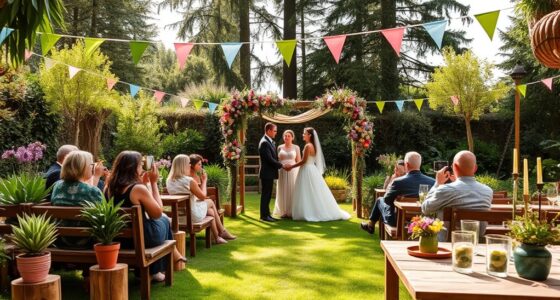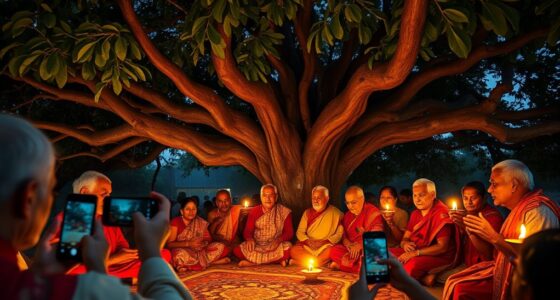

When planning a ceremony without religion, focus on creating inclusive, meaningful rituals that highlight shared human values. Incorporate symbols like unity candles, tree plantings, or exchanging meaningful objects to represent growth and connection. Emphasize universal themes such as love, hope, and resilience through stories, poetry, or music. Respect all beliefs, blending cultural traditions naturally. To craft a heartfelt event that celebrates milestones and community, keep exploring how to design impactful secular rituals tailored to your vision.
Key Takeaways
- Incorporate universal themes like love, growth, and gratitude to create meaningful, inclusive ceremonies.
- Use symbols and rituals such as tree planting or candle lighting that represent connection and new beginnings.
- Personalize rituals with stories, poetry, or shared experiences to reflect individual values and beliefs.
- Focus on shared human values like compassion, resilience, and hope to foster inclusivity.
- Ensure practical elements like sound and lighting are well-maintained to create a seamless, heartfelt experience.
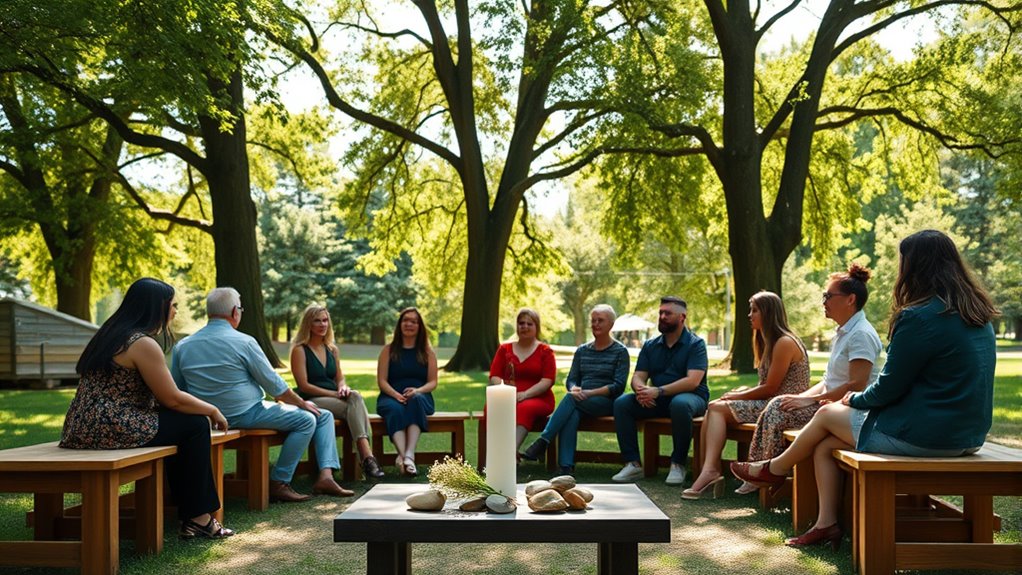
Planning a ceremony without religious elements offers a meaningful way to celebrate important milestones while honoring personal beliefs and values. When you choose secular traditions, you create a space where everyone feels included, regardless of faith. Interfaith celebrations are a perfect example of this approach, blending diverse customs and philosophies into a unified event that reflects the values of all participants. These ceremonies focus on shared human experiences—love, growth, gratitude—rather than specific religious doctrines. This approach allows you to craft a personalized ritual that resonates deeply with your beliefs and those of your loved ones.
In designing such ceremonies, you have the freedom to incorporate symbols, readings, and rituals that hold personal significance. For instance, you might include a unity candle lighting, a tree planting, or a symbolic exchange of meaningful objects. These acts serve as powerful visual representations of commitment, growth, or new beginnings, all without relying on religious symbolism. Secular traditions like these foster a sense of community and purpose, emphasizing values such as compassion, resilience, and hope, which resonate across different backgrounds. You can also include personal stories, poetry, or music that reflect your journey or the collective spirit of the group.
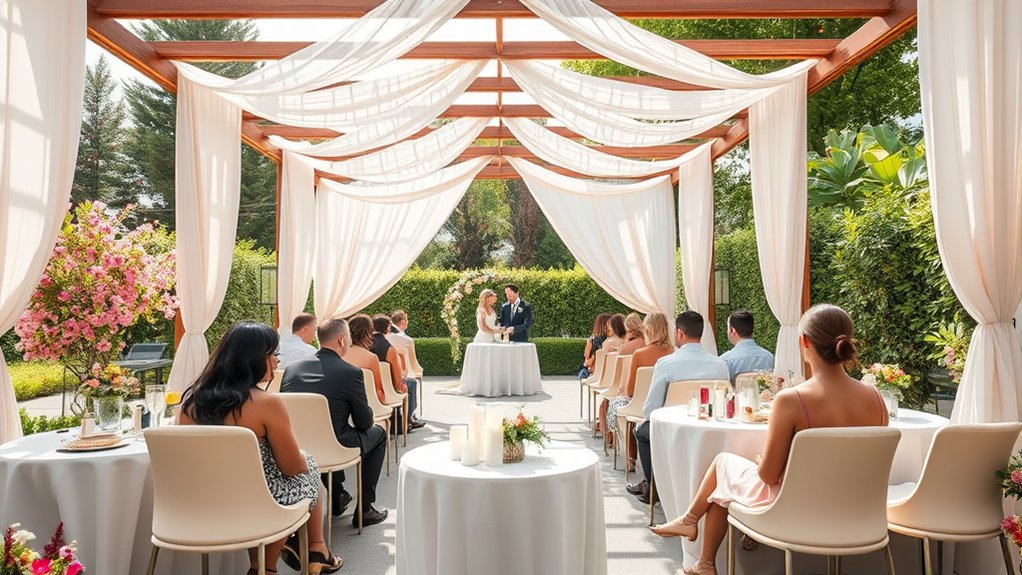
Incorporate meaningful symbols, stories, and rituals to celebrate growth and connection beyond religious traditions.
When planning interfaith celebrations, it’s important to strike a balance that respects all participants’ beliefs. This might mean blending elements from different cultural or spiritual practices into a cohesive event. For example, you could combine a moment of silent reflection with an inspirational reading or a shared meal that symbolizes unity. The key is to focus on universal themes that transcend religious boundaries, creating an inclusive atmosphere. Additionally, understanding the importance of appliance maintenance plans can help ensure that any physical elements involved in the ceremony, such as sound or lighting equipment, function smoothly and safely. The key is to focus on universal themes that transcend religious boundaries, creating an inclusive atmosphere. You don’t need to adhere to traditional religious scripts to make these moments meaningful; instead, you can craft a narrative that emphasizes shared values and personal growth.
Ultimately, the goal of a ceremony without religious elements is to create an authentic, heartfelt experience. By emphasizing secular traditions and interfaith principles, you allow space for everyone’s beliefs and values. This approach not only celebrates milestones in a respectful, inclusive way but also fosters a sense of community rooted in shared human experiences. Whether you’re marking a wedding, graduation, or another significant moment, the focus remains on meaningful connection, personal expression, and universal themes that unite us all.
Frequently Asked Questions
How Do I Choose Meaningful Secular Rituals for My Event?
To choose meaningful secular rituals, start by considering what values or themes you want to highlight, like unity or growth. Incorporate interfaith dialogue to create inclusive practices, and use cultural symbolism that resonates with your guests. Think about activities that foster connection, such as shared storytelling or symbolic gestures. Focus on authenticity and relevance, ensuring each ritual reflects your event’s purpose while honoring diverse backgrounds.
What Are Creative Ideas for Secular Ceremonies?
You can create unforgettable moments with symbolic gestures like planting a tree, releasing lanterns, or tying meaningful knots, making your ceremony stand out. Incorporate cultural traditions that resonate with your story, such as dance, storytelling, or shared recipes. These creative ideas bring personal significance and emotional depth, transforming your event into a powerful, memorable celebration that celebrates unity, growth, and tradition without relying on religious elements.
How Can I Personalize a Secular Ceremony?
You can personalize a secular ceremony by incorporating meaningful touches that reflect your story and values. Use personalization options like sharing personal anecdotes, selecting symbolic rituals, or including favorite music and readings. These elements add emotional significance and make the experience uniquely yours. Consider involving loved ones in the planning or customizing vows to truly express your connection. This approach creates a heartfelt, memorable event that resonates deeply with everyone involved.
What Legal Considerations Are Involved in Secular Ceremonies?
You need to understand the legal requirements and consent procedures for secular ceremonies, as rules vary by location. Make sure you obtain all necessary permits and confirm participants explicitly consent to the ceremony’s terms. Check local laws related to documentation, such as marriage licenses or official registration, to avoid legal issues. Being thorough with these legal considerations guarantees your ceremony is valid and recognized legally.
How Do I Include Diverse Beliefs in Secular Rituals?
Including diverse beliefs in secular rituals fosters cultural inclusivity and strengthens community bonds. You can do this by incorporating symbols, stories, or traditions from various cultures, and encouraging interfaith dialogue to understand different perspectives. Research shows that 65% of people value inclusivity in ceremonies. By designing rituals that respect multiple beliefs, you create a meaningful experience that honors everyone’s backgrounds and promotes unity through shared values.
Conclusion
Planning a meaningful secular ceremony shows that you don’t need religion to celebrate life’s important moments. With personal touches and heartfelt intentions, you can create a ritual that truly resonates with you and your loved ones. Remember, the sky’s the limit when it comes to crafting a special event that reflects your values. Sometimes, you gotta follow your heart and trust that the rest will fall into place—because the best moments happen when you stay true to yourself.