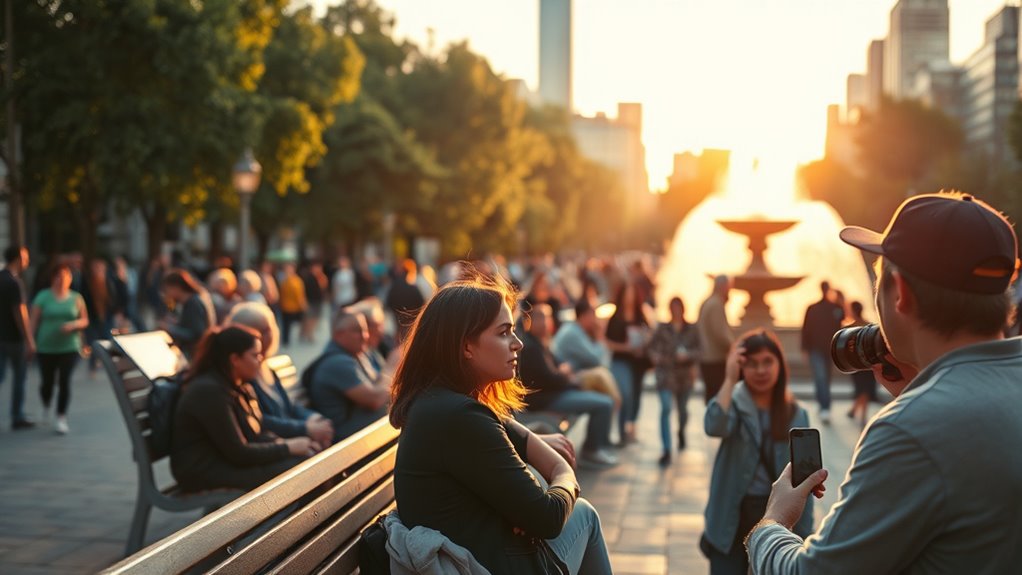
When photographing in public, always be mindful of people’s privacy and seek permission if someone seems uncomfortable. In private spaces, you need explicit consent before taking pictures, respecting venue policies and cultural sensitivities. At events, ask permission before photographing guests, especially when capturing sensitive moments or children. Respecting consent not only keeps you ethical but also builds trust with your subjects. You’ll find helpful tips on maintaining respectful practices across different settings as you explore further.
Key Takeaways
- Always seek explicit permission from individuals before photographing them, especially in private spaces or events.
- Respect cultural sensitivities and community norms related to photography to avoid misunderstandings or offense.
- In public spaces, be mindful of people’s comfort and privacy; delete photos if someone objects.
- Adhere to venue policies and obtain consent when photographing at private events or restricted locations.
- Building trust through clear communication and respecting rights ensures ethical photography across all spaces.
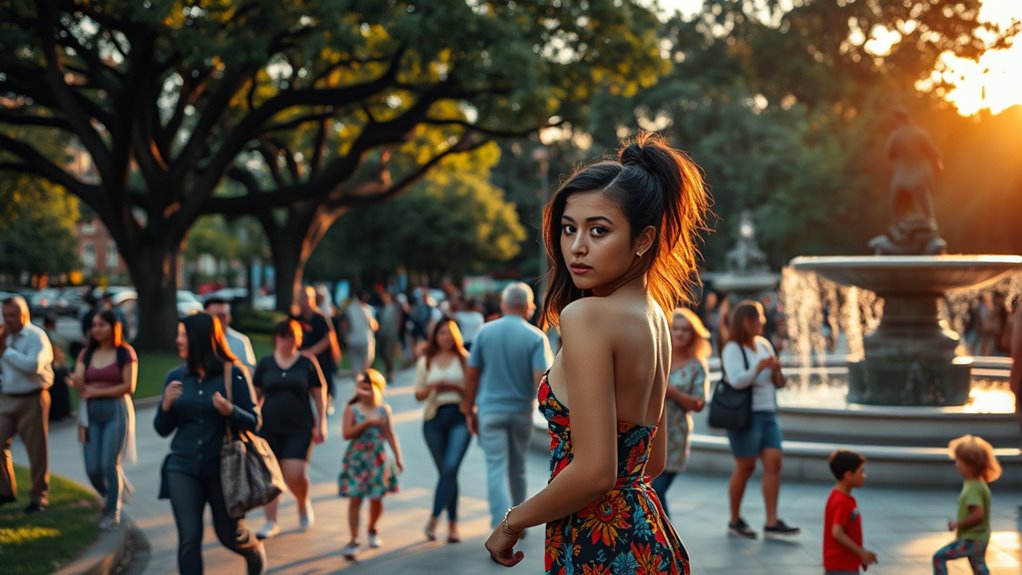
Taking photographs of others without their consent can lead to serious ethical and legal issues. It’s essential to understand that individuals have rights regarding their images, commonly known as model rights, which protect their control over how they are portrayed. Respecting these rights means always seeking permission before capturing someone’s likeness, especially in private or sensitive settings. Failing to do so can not only damage trust but also expose you to lawsuits or complaints. Additionally, cultural sensitivity plays a crucial role in photography. Different communities and cultures have unique customs and beliefs about photography, and what’s acceptable in one may be offensive in another. Being aware of and respectful toward these cultural nuances helps prevent misunderstandings and demonstrates your respect for the people you photograph.
Respect model rights and cultural sensitivities to ensure ethical, respectful, and meaningful photography.
When you’re in public spaces, the line between what’s acceptable and what isn’t can be blurry. Generally, taking photos of people in public is legal, but it doesn’t mean you should do so without consideration. Always think about the context and whether the individuals might feel uncomfortable or exposed. If someone objects, it’s respectful to honor their wishes and delete the photo if necessary. Even in public, it’s good practice to be transparent about your intentions and explain that you’re taking photos for a specific purpose, whether it’s personal, journalistic, or artistic. This openness fosters goodwill and reduces potential conflicts. Moreover, understanding the role of technology in photography can help you better navigate privacy concerns and ethical considerations.
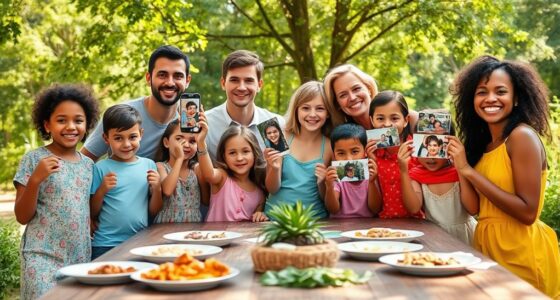
In private spaces or at private events, the rules change markedly. Here, the expectation of privacy is much higher, and you need explicit permission to photograph individuals. Many venues, like private homes, clubs, or workplaces, have policies against photography, and ignoring these can lead to legal repercussions. If you’re attending an event, always ask beforehand if photography is allowed, and respect any restrictions. Remember, cultural sensitivity extends to recognizing the boundaries set by different communities or event organizers. Some groups might have strict rules about photographing children, elders, or certain cultural rituals. Respect their guidelines, as doing so shows your awareness and appreciation of their traditions.
In all cases, building a respectful relationship with your subjects is key. Clear communication, understanding, and consent are the foundations of ethical photography. Recognizing model rights and cultural sensitivities isn’t just about avoiding trouble; it’s about honoring the dignity and autonomy of the people you photograph. By doing so, you foster trust, create more meaningful images, and contribute positively to the communities and individuals whose lives you capture through your lens.
Frequently Asked Questions
Can I Photograph Someone Without Their Permission in Public Spaces?
Yes, you can photograph someone without their permission in public spaces, especially for street photography and candid shots. People generally don’t have an expectation of privacy outdoors. However, be respectful—avoid intrusive or harassing behavior. If someone asks you to stop or delete photos, it’s best to comply. Remember, laws may vary by location, so stay informed about local regulations to avoid potential legal issues.
Are There Legal Differences Between Taking Photos at Private and Public Events?
Think of private and public events as different gardens—one locked and guarded, the other open to all. Legally, you need explicit permission for private events, respecting privacy considerations and avoiding legal trouble. Public events are more like bustling markets; you can photograph freely but still should practice ethical photography. Always honor personal boundaries and be mindful of privacy, ensuring your images don’t harm or exploit those involved.
How Do Cultural Norms Influence Consent in Photography?
Cultural norms greatly influence consent in photography by shaping social expectations and perceptions. You might find that in some cultures, taking photos without permission is acceptable, while others emphasize respecting personal boundaries. You should be aware of these cultural perceptions, as they guide what’s considered polite or intrusive. Respecting local customs guarantees you honor individuals’ comfort levels and avoid misunderstandings, fostering trust and positive interactions.
What Are the Rights of Individuals When Their Images Are Shared Online?
You have the right to control your image when shared online, especially regarding model privacy and image rights. If someone posts your photo without permission, you can request removal or ask for attribution. Laws vary by region, but generally, you can enforce your rights through legal means if your privacy is infringed upon. Always be aware of your rights to prevent unauthorized sharing and protect your personal privacy online.
How Can Event Organizers Ensure Respectful Photography Practices?
You can guarantee respectful photography practices by requiring model releases for identifiable images and educating your staff on consent. Don’t assume everyone’s comfortable being photographed; openly ask for permission beforehand. Incorporate consent education into your event protocols, making it clear that respecting attendees’ boundaries is a priority. This proactive approach fosters trust, reduces misunderstandings, and creates a welcoming environment where everyone feels comfortable participating.
Conclusion
Understanding consent in photography means respecting boundaries, honoring privacy, and seeking permission. It’s about recognizing when to ask, knowing when to listen, and choosing to act ethically. By prioritizing consent, you build trust, foster respect, and create a more inclusive environment. Remember, consent isn’t just a formality—it’s a fundamental principle that guides responsible photography. Embrace it, respect it, and let it shape the way you capture the world around you.