Culture heavily influences what you’re expected to wear, gift, and how you behave at a wedding. You might need to wear traditional garments, give money in symbolic envelopes, or participate in rituals with specific customs. Respecting these traditions shows appreciation and understanding of the couple’s heritage. Knowing these cultural expectations helps you engage meaningfully in the celebration. If you keep exploring, you’ll discover even more ways culture shapes wedding guest experiences.

Get gifts for the two of you delivered free — and shop member deals
- Fast, free delivery on millions of items
- Access to Prime Big Deal Days deals on October 6–7
- Prime Video, Amazon Music and more included
Key Takeaways
- Cultural attire influences guest dress codes, such as sarees in Indian weddings or formal evening wear in Western ceremonies.
- Gift-giving customs vary, with some cultures preferring monetary envelopes and others favoring tangible items.
- Punctuality and participation in rituals differ across cultures, shaping guest behavior expectations.
- Respecting cultural symbols and rituals demonstrates understanding and appreciation of the couple’s heritage.
- Following traditional customs fosters respectful engagement and enhances the cultural significance of the celebration.
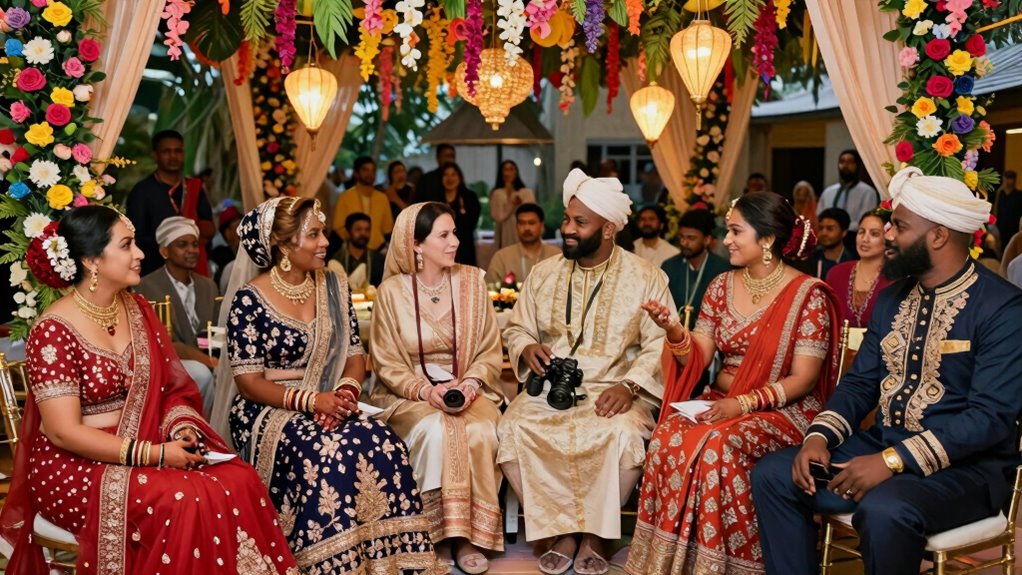
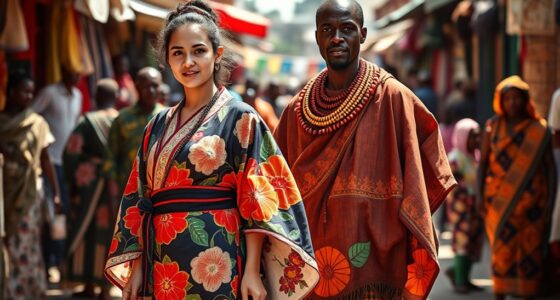
Cultural traditions heavily influence what wedding guests are expected to wear, behave, and bring to the celebration. When you attend a wedding, understanding these customs can help you show respect and fit in seamlessly. One of the most noticeable ways culture shapes your role as a guest is through traditional attire. In some cultures, dressing in ceremonial clothing isn’t just encouraged; it’s expected. For example, if you’re attending a traditional Indian wedding, you might wear a saree, sherwani, or other culturally significant garments. In contrast, Western weddings might call for formal evening wear, but in other cultures, bright colors, embroidered fabrics, or specific styles symbolize respect and celebration. Wearing the right attire shows you honor their customs and are genuinely excited to participate in their special day.
Cultural traditions shape wedding attire, highlighting respect and celebration through clothing choices.
Gift customs are another significant aspect shaped by culture. The way you give gifts, what you give, and how you present them can vary widely. In some traditions, giving money in an envelope or a specific amount is customary, often symbolizing good luck or prosperity. In others, handmade gifts or specific items like jewelry, religious tokens, or symbolic objects are more appropriate. For example, in Chinese culture, red envelopes filled with money are a common gift, symbolizing good fortune. Meanwhile, in Western traditions, it’s typical to offer a physical present like a piece of art or household item, often accompanied by a heartfelt card. Understanding these customs matters because it’s not just about generosity; it’s about respecting the cultural significance behind the giving process. Failing to follow gift customs might be seen as disrespectful or insensitive. Additionally, recognizing the importance of cultural diversity in wedding traditions helps foster greater understanding and appreciation among guests from different backgrounds.
Your behavior as a wedding guest is also heavily influenced by culture. In some traditions, arriving late might be acceptable or even expected, while in others, punctuality is a sign of respect. During the ceremony, specific customs might dictate how you should behave—such as remaining silent during certain rituals or participating in specific dances or traditions. You might also be expected to observe specific manners, like removing your shoes before entering a sacred space or bowing as a sign of respect. It’s helpful to familiarize yourself with cultural etiquette to ensure respectful participation and avoid unintentional faux pas. Understanding the significance of rituals can also enhance your engagement and appreciation of the ceremony. Being aware of cultural symbols and their meanings can further deepen your understanding and respectful engagement during the celebration. Additionally, understanding the significance of certain rituals can help you engage more meaningfully with the ceremony. Understanding these behavioral expectations allows you to participate appropriately and avoid unintentional faux pas.
In essence, cultural traditions set the tone for your entire experience as a wedding guest. From choosing the right attire and understanding gift customs to knowing how to behave during the celebration, these customs serve as a guide to show respect and appreciation for the couple’s heritage. When you take the time to learn and follow these customs, you contribute to a meaningful, respectful celebration that honors the couple’s cultural background.
As an affiliate, we earn on qualifying purchases.
Frequently Asked Questions
How Do Different Cultures View Wedding Gift-Giving Norms?
Different cultures have unique gift etiquette and guest hospitality norms at weddings. Some may expect monetary gifts, while others prefer tangible presents. In many Asian cultures, it’s customary to give red envelopes with money, whereas Western traditions might focus on practical or sentimental gifts. You should always respect these customs, ensuring your gift aligns with cultural expectations, and show appreciation for the host’s hospitality. Understanding these differences helps you be a considerate and respectful guest.
What Are Common Dress Code Expectations Across Cultures?
You’ll find that dress codes vary widely across cultures, with 80% of traditional weddings requiring specific attire. You’re often expected to wear traditional attire that reflects cultural symbolism, such as saris, kimonos, or kilts. These outfits honor heritage and respect customs. Dress expectations may include modesty, specific colors, or accessories that symbolize unity or blessings, helping you connect deeply with the cultural significance of the celebration.
How Do Cultural Rituals Influence Guest Participation?
Cultural rituals influence your guest participation by guiding your actions through cultural symbolism and guest behavior customs. You might be expected to perform specific gestures, join traditional dances, or partake in symbolic offerings. These customs shape how actively you engage, ensuring your participation respects the cultural significance behind each ritual. Embracing these traditions shows your respect for the couple’s heritage and enhances the shared experience during the celebration.
Are There Specific Seating Arrangements Based on Culture?
Think of wedding seating like a carefully crafted mosaic; each piece holds significance. You’ll find that cultural seating often places family elders and important guests in prominent spots, honoring rituals and traditions. Ritual seating arrangements might group guests by role or relationship, reflecting cultural values. By respecting these patterns, you create an environment where tradition and respect blend seamlessly, making everyone feel valued and connected to the ceremony’s cultural roots.
How Do Cultural Attitudes Affect Guest Punctuality?
Cultural attitudes greatly influence guest punctuality, as Punctuality customs vary worldwide. In some cultures, strict adherence to time, reflecting Cultural timekeeping, is expected, so guests arrive early or on time. In others, a more relaxed attitude prevails, and guests may arrive later. Understanding these differences helps you set appropriate expectations, ensuring your wedding runs smoothly and respects your guests’ cultural norms around punctuality.
formal evening wear for weddings
As an affiliate, we earn on qualifying purchases.
As an affiliate, we earn on qualifying purchases.
Conclusion
Think of wedding guest expectations as a delicate dance, guided by the rhythm of culture. When you understand the steps—whether a traditional bow or a hearty handshake—you move harmoniously with the couple’s heritage. By respecting these customs, you’re not just a guest but a essential part of the story, weaving your presence into the fabric of their celebration. Embrace the dance, and your presence becomes a treasured note in their lifelong melody.
traditional cultural wedding attire
As an affiliate, we earn on qualifying purchases.
As an affiliate, we earn on qualifying purchases.
Halloween Picks
halloween
As an affiliate, we earn on qualifying purchases.