
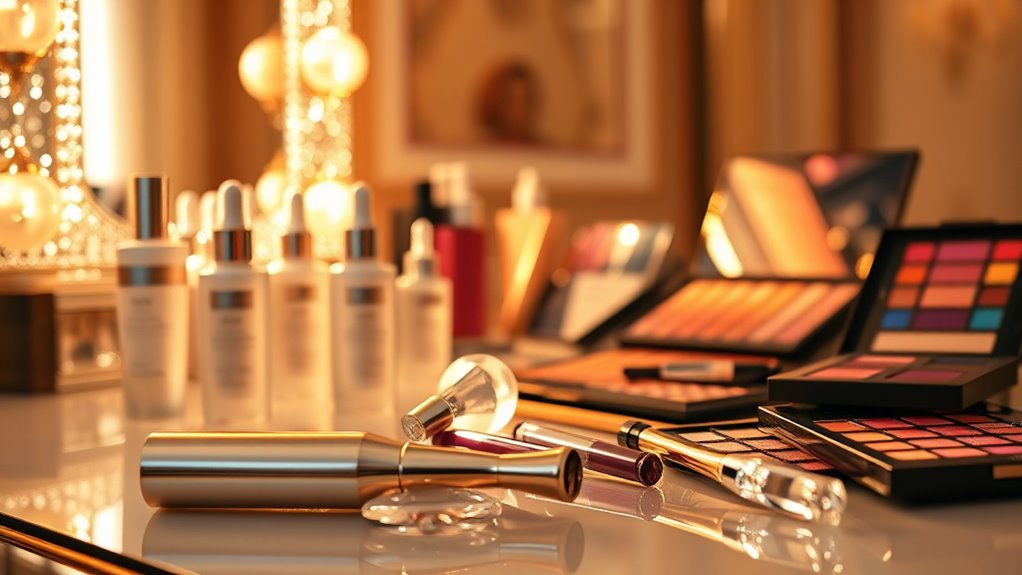

The beauty industry is a multi-billion dollar global powerhouse because society, marketing, and psychological factors influence your desire to look and feel good. Advertisers target your insecurities and appeal to emotions, promising quick fixes to meet societal standards. This cycle of consumption keeps you investing in products and treatments, driven by social approval and self-worth. If you stay with us, you’ll uncover how these forces shape your spending habits and what you can do to make informed choices.
Key Takeaways
- The beauty industry’s value is driven by consumer desire to conform to societal and cultural standards of attractiveness.
- Marketing campaigns target emotions and insecurities, encouraging ongoing spending on products and treatments.
- Societal associations between beauty, success, and self-worth motivate individuals to invest heavily in appearance.
- Technological innovations and new treatments sustain consumer interest and perpetuate standards of beauty.
- Recognizing societal pressures empowers consumers to make more informed, less impulsive decisions about their self-image expenditures.
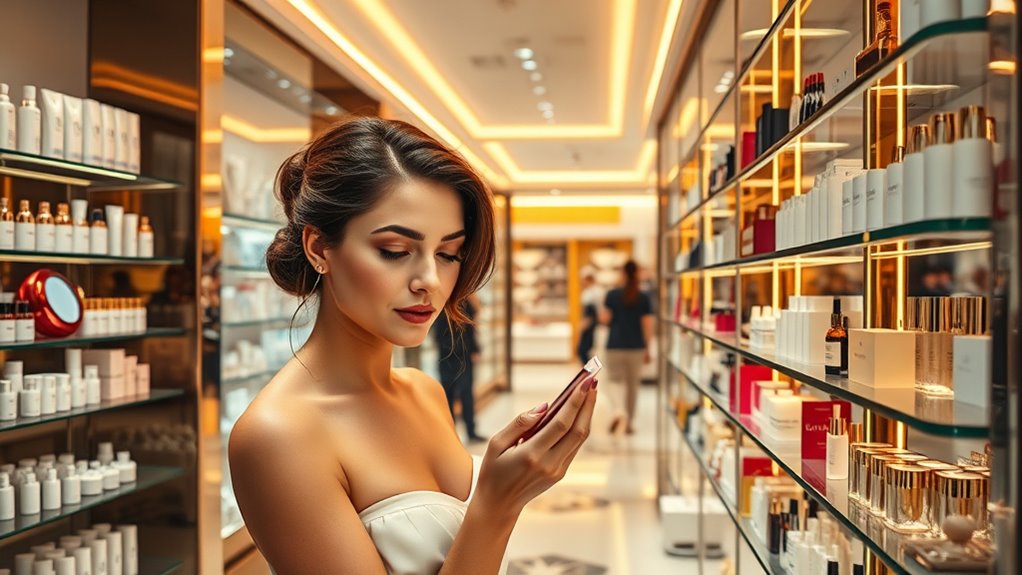
Have you ever wondered why society places such high value on beauty? It’s a question that taps into the core of the beauty industry and how consumer behavior shapes it. The beauty industry is a massive global force, worth billions of dollars annually, and it thrives because of our deep-seated desire to look and feel good. But why do we spend so much money on products, procedures, and treatments? The answer lies in understanding the psychological and social influences that drive consumer behavior. From advertisements to social media, we are constantly bombarded with messages that equate beauty with success, happiness, and social acceptance. This creates a powerful incentive to invest in our appearance, fueling a cycle where appearance becomes a key part of our identity and self-worth.
Consumer behavior in the beauty sector is highly influenced by societal standards, cultural norms, and the desire for validation. When you see images of flawless skin, perfect bodies, and youthful faces everywhere, it influences your perception of what’s desirable. The beauty industry capitalizes on this by marketing products that promise to help you achieve these ideals, reinforcing the idea that your worth is tied to how you look. This cycle encourages ongoing spending, as consumers chase unattainable perfection through creams, surgeries, and treatments. It’s a strategic dance where demand for beauty products is constantly fueled by the aspiration to belong, stand out, or simply feel better about oneself.
Societal standards drive our desire for beauty, fueling ongoing consumer spending and reinforcing perceptions of self-worth through appearances.
The industry’s marketing tactics are designed to tap into your emotions and insecurities. You’re often led to believe that your natural appearance isn’t enough, that you need to enhance or transform yourself to fit societal standards. This drives consumer behavior that favors quick fixes and ongoing investments rather than embracing natural beauty. As a result, the beauty industry benefits from a perpetual cycle of consumption—new products, anti-aging treatments, and cosmetic procedures are continually developed to meet the evolving standards of beauty. You become part of this economic ecosystem, constantly making choices that reflect your desire to conform, stand out, or simply feel confident.
Furthermore, technological advancements in the beauty industry, such as innovative skincare formulations and minimally invasive procedures, sustain consumer interest and spending. Understanding this dynamic can help you recognize how societal pressures and industry marketing influence your perceptions of worth and beauty. Your consumer behavior fuels this cycle, making beauty not just a matter of appearance but a significant economic force. Recognizing the role of technology advancements in shaping beauty trends can empower you to make more informed choices and resist unnecessary expenditures.
Frequently Asked Questions
How Does Media Influence Beauty-Related Consumer Spending?
Media, especially social media and influencer marketing, substantially influence your beauty-related spending. When you see influencers showcasing skincare and makeup products, you’re more likely to want those items. Social media creates a sense of aspiration and immediacy, prompting you to purchase to match the beauty standards you observe. Influencers’ endorsements make products seem essential, increasing your motivation to spend on self-image enhancements.
What Economic Factors Drive Beauty Industry Growth Globally?
You drive the growth of the beauty industry through your demand for beauty innovation and tailored products. As market segmentation becomes more sophisticated, companies target specific consumer groups, fueling competition and investment. Economic factors like rising disposable incomes, urbanization, and globalization also boost spending. These elements combined create a thriving industry that continuously evolves to meet your evolving preferences, making beauty a dynamic and lucrative global market.
Are Beauty Products More Affordable Across Different Income Levels?
Beauty products aren’t equally affordable across all income levels due to price disparity and income inequality. If you have a higher income, you can access premium products with advanced ingredients or luxury brands. Conversely, lower-income individuals often rely on cheaper, mass-market options. This gap highlights how income inequality influences access to beauty, making it harder for some to afford quality products, while others enjoy a wider range of choices.
How Do Cultural Standards Impact Beauty Expenditure?
Cultural beauty standards heavily influence your beauty expenditures, as societal image expectations shape what you consider attractive. When your culture emphasizes certain features or looks, you’re more likely to spend on products and treatments that align with those ideals. These standards create pressure to meet specific beauty norms, driving you to invest in your appearance to fit in, gain approval, or boost self-confidence.
What Is the Environmental Cost of the Beauty Industry?
You might think beauty products are harmless, but they have a significant environmental cost. The industry often uses unsustainable packaging and eco-friendly ingredients less often than you’d hope. Manufacturing and disposal contribute to pollution, waste, and resource depletion. By choosing brands that prioritize sustainable packaging and eco-friendly ingredients, you can help reduce this impact, making your beauty routine more environmentally responsible and supporting a healthier planet.
Conclusion
As you gaze into the mirror, your reflection becomes a canvas painted with society’s desires, each brushstroke symbolizing your investment in beauty. The billions spent are like seeds planted in this fertile ground, blooming into confidence or fleeting illusions. Remember, while the mirror reflects society’s standards, your true worth is the unspoken promise beneath—an enduring masterpiece shaped by authenticity, not just appearance. In the end, your self-image is the most valuable masterpiece you’ll ever create.