

Pop culture often shows closure as a neat, final ending that instantly brings relief, but in real life, emotional healing is much messier. You might expect to move on quickly or feel fully resolved, but true closure is a gradual process with lingering feelings. It involves patience, self-awareness, and accepting that some wounds may never fully close. If you want to understand why real life isn’t as tidy as stories suggest, keep exploring what’s really involved in healing.

Get gifts for the two of you delivered free with Prime
- Fast, free delivery on millions of items
- Prime Video, Amazon Music and more included
- Member-only deals all year
Key Takeaways
- Pop culture depicts closure as a neat, final ending, which oversimplifies the ongoing nature of real emotional healing.
- Media often shows characters resolve conflicts quickly, ignoring the lingering feelings and complex process of true closure.
- It promotes the idea that pain disappears after resolution, disregarding the gradual and non-linear journey of healing.
- Pop culture emphasizes singular cathartic moments, neglecting the messy, sustained effort required for genuine emotional closure.
- The portrayal of closure as a fixed endpoint can diminish patience and self-compassion necessary for real growth.
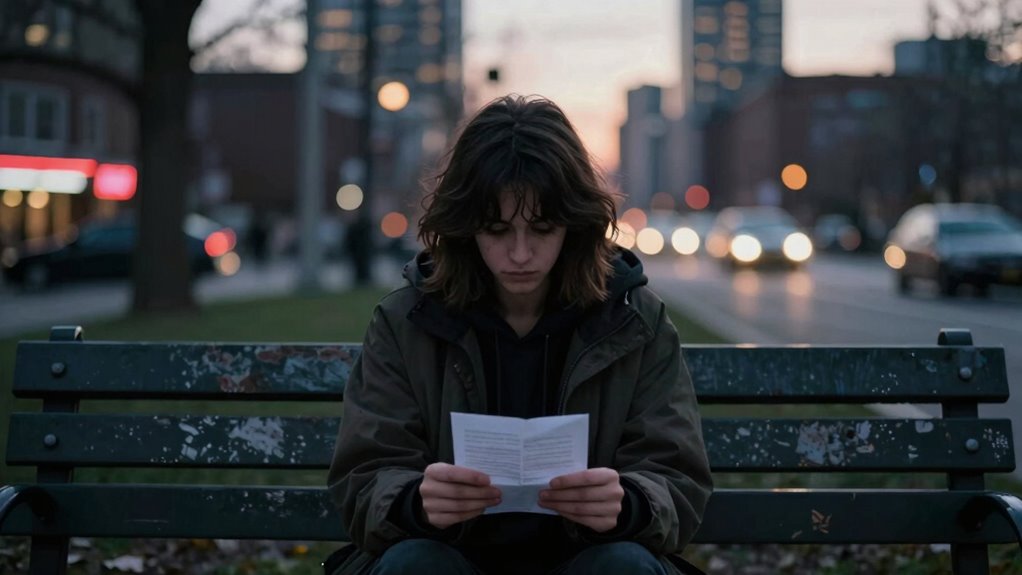
Have you ever wondered how pop culture helps us find closure after emotional upheavals? It often presents closure as a neat, satisfying ending that brings relief and peace. You watch a character confront their pain, and suddenly everything falls into place—conflicts resolve, feelings are clarified, and the story wraps up with a sense of finality. This portrayal creates an expectation that, after intense emotional upheaval, closure is just around the corner, waiting to be achieved once and for all. But the truth is, real emotional impact doesn’t work that way. Achieving true closure isn’t always about a clear narrative resolution; it’s often a complex, ongoing process that doesn’t fit into the tidy framework pop culture suggests.
What pop culture tends to get wrong is the idea that closure is a definitive endpoint. Instead, it’s more realistic to see it as a state of acceptance or understanding that may fluctuate over time. When a story ends on a high note, it gives you the illusion that the characters have moved past their struggles, but real life rarely offers such clean resolutions. The emotional impact of trauma or heartbreak can linger, resurfacing unexpectedly, and closure might mean learning to live with those unresolved feelings rather than erasing them entirely. Pop culture, however, often shows characters reaching emotional resolution and then moving on, reinforcing the misconception that closure is a final destination. Recognizing emotional resilience as a vital part of healing can help set more realistic expectations.
This oversimplification can set you up for frustration. You might believe that once you’ve “gotten over” something, the pain should disappear completely. In reality, closure can be a gradual process—an ongoing journey rather than a moment of arrival. It involves acknowledging your feelings, understanding them, and sometimes accepting that certain wounds may never fully close. Sometimes, embracing emotional complexity can lead to a deeper understanding of oneself and one’s healing journey. The narrative resolution presented in movies or TV shows rarely captures this nuance. Instead, it suggests that closure comes with a single, cathartic moment, which can diminish your patience and self-compassion as you navigate your own emotional landscape. Developing emotional awareness can be a key step in this process, helping you recognize and validate your feelings without expecting immediate resolution. Recognizing the importance of patience and self-compassion in healing can also foster a healthier perspective on your emotional progress.
Pop culture’s portrayal can also lead you to overlook the importance of self-reflection and time. While stories may show characters reaching closure in a dramatic scene, real healing often requires patience, effort, and a willingness to sit with discomfort. The emotional impact of loss or upheaval isn’t always neatly wrapped up, and that’s okay. Recognizing that closure isn’t always final or immediate helps you manage your expectations and embrace the messy, unpredictable process of emotional growth. Embracing the ongoing nature of emotional healing is crucial because it reminds us that healing is rarely linear and often involves setbacks and gradual progress. In the end, true closure is less about ending the story and more about finding peace within the ongoing chapters of your life.
As an affiliate, we earn on qualifying purchases.
Frequently Asked Questions
How Do Different Cultures Perceive Closure?
You might find that different cultures perceive closure through unique lenses, often guided by cultural rituals that symbolize letting go. For example, some societies use ceremonies to honor the deceased, fostering emotional resilience over time. In others, community gatherings help individuals process loss collectively. These cultural rituals shape how you experience closure, emphasizing that it’s not a one-size-fits-all process but deeply rooted in shared traditions and emotional strength.
Can Closure Be Achieved Without Direct Communication?
Imagine you’re in a medieval castle, but the door’s already shut—no need for a knight’s message. Closure can be achieved without direct communication through emotional detachment, allowing you to let go of unresolved feelings. You might find peace by accepting the situation, reflecting inwardly, and releasing your attachment. Sometimes, healing comes from within, not from a conversation, helping you move forward even when words are unspoken.
Is Closure Always Necessary for Emotional Healing?
Closure isn’t always necessary for emotional healing. You can develop emotional resilience through self-reflection, acceptance, and time, which helps in your healing process. Sometimes, letting go of the need for closure allows you to move forward without unresolved feelings holding you back. Focus on understanding your emotions and building strength within yourself, rather than relying solely on external resolution. This approach often leads to genuine, lasting healing.
How Long Does It Typically Take to Find Closure?
It varies like the tides, but finding closure can take weeks, months, or even years. You might think it’s a fixed timeline, yet emotional resilience and personal acceptance shape your journey. Closure isn’t a destination but a process—like planting seeds that bloom slowly. Be patient with yourself, honor your feelings, and trust that healing unfolds in its own time. Your peace is worth every moment of the wait.
Does Seeking Closure Hinder Personal Growth?
Seeking closure can sometimes hinder personal growth if you get stuck in an emotional release cycle. Instead of moving forward, you might cling to past pain, delaying the acceptance process. While closure helps you process feelings, it’s important to balance it with acceptance, allowing yourself to grow. Focus on understanding your emotions, but don’t let the pursuit of closure prevent you from embracing new experiences and personal development.
As an affiliate, we earn on qualifying purchases.
Conclusion
Don’t buy into the idea that closure always comes quickly or perfectly—pop culture loves to simplify it, but real life isn’t so tidy. You might find closure in unexpected moments or after a long time, and that’s okay. It’s not about having all the answers or feeling completely okay right away. Instead, embrace your unique process, and remember, closure isn’t a destination—it’s a journey you shape on your own terms.
As an affiliate, we earn on qualifying purchases.
As an affiliate, we earn on qualifying purchases.
Halloween Picks
halloween
As an affiliate, we earn on qualifying purchases.