
TL;DR
Listen free for 30 days with Audible
Thousands of audiobooks and originals — cancel anytime.
Start your free trialAs an affiliate, we earn on qualifying purchases.
More individuals are turning to AI chatbots for health and relationship advice, according to recent research. This trend highlights changing help-seeking behaviors but raises questions about reliability and data security.
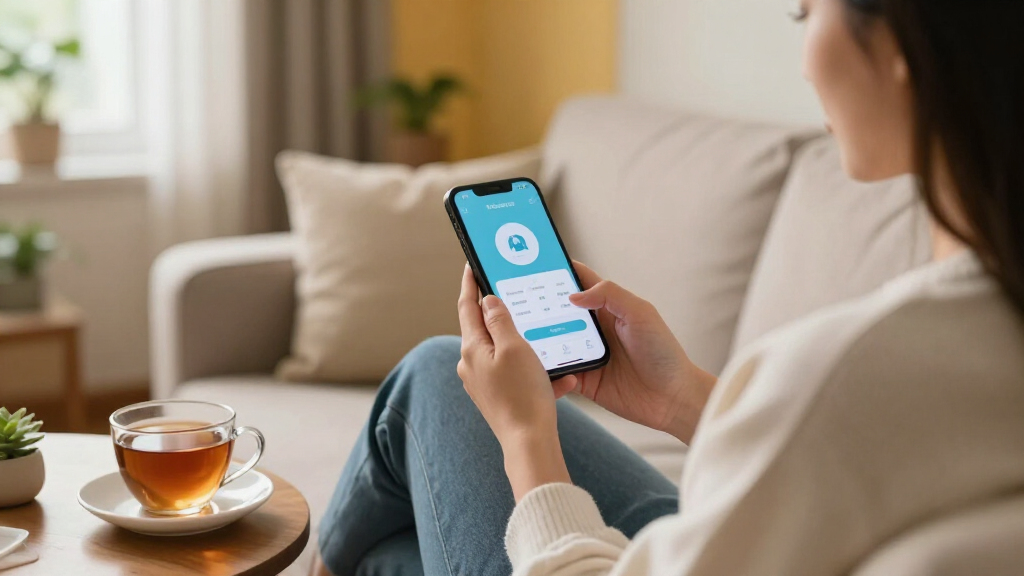
A recent study reveals that more people are using AI chatbots for health and relationship advice, marking a notable shift in how individuals seek support. This trend is significant because it reflects changing help-seeking behaviors and the growing role of artificial intelligence in personal well-being, raising questions about effectiveness and data privacy.
The study, conducted by HealthTech Insights, surveyed over 10,000 users across multiple countries between June and September 2023. It found that approximately 35% of respondents have used AI chatbots for health-related questions, and about 28% sought relationship advice through these platforms. The increase is compared to less than 10% usage reported in similar surveys two years ago.
Experts note that the rise correlates with greater accessibility of AI tools, smartphone adoption, and the desire for discreet, immediate support. Companies like Replika, Woebot, and others have expanded their services, claiming to provide empathetic, personalized guidance. However, health professionals caution that AI chatbots are not substitutes for professional medical or psychological care, and their advice should be taken with caution.
Implications of Growing AI Chatbot Use in Personal Support
This trend matters because it indicates a shift in how people seek help for sensitive issues, potentially increasing access for underserved populations. However, it also raises concerns about the accuracy of advice provided, privacy risks, and the potential for dependence on automated support instead of professional care. The rise underscores the need for regulation and clearer guidelines for AI health and relationship tools, according to experts.
As an affiliate, we earn on qualifying purchases.
Background on AI Adoption in Health and Relationships
AI chatbots have been available for several years, initially focusing on mental health support and basic health information. The COVID-19 pandemic accelerated their adoption, as in-person visits declined. Recent developments include the integration of more sophisticated natural language processing and machine learning, enabling chatbots to simulate empathetic conversations. Despite their growth, concerns about reliability, data security, and ethical use persist, with regulators and health authorities still formulating policies.
“AI chatbots can be a helpful first step for those hesitant to seek in-person help, but they should complement, not replace, professional advice.”
— Dr. Lisa Chen, psychologist
As an affiliate, we earn on qualifying purchases.
Unverified Aspects and Potential Risks of AI Chatbot Use
It is not yet clear how effective AI chatbots are in providing accurate health or relationship advice over the long term. The quality of guidance varies across platforms, and there is limited regulation governing their use. Privacy concerns remain, especially regarding sensitive data collection and storage. Additionally, the potential for users to rely heavily on AI instead of seeking professional help is still being studied.
As an affiliate, we earn on qualifying purchases.
Next Steps in Regulation and Research on AI Support Tools
Researchers and policymakers are expected to evaluate the effectiveness and safety of AI chatbots in health and relationship contexts. Regulatory bodies may develop standards for data privacy and advice accuracy. Meanwhile, tech companies are likely to enhance transparency about AI capabilities and limitations. Monitoring user outcomes and conducting longitudinal studies will be crucial to understanding the impact of this growing trend.
As an affiliate, we earn on qualifying purchases.
Key Questions
Are AI chatbots replacing mental health professionals?
Currently, AI chatbots are seen as supplementary tools rather than replacements for professional care. Experts advise using them as initial support or for basic questions, not as substitutes for qualified health providers.
What are the main privacy concerns with AI chatbots?
Many AI platforms collect sensitive personal data, raising risks of data breaches and misuse. Users should review privacy policies and be cautious about sharing highly personal information.
How accurate is the advice given by AI chatbots?
The accuracy varies widely depending on the platform and the complexity of the issue. AI tools are not always equipped to handle nuanced or severe health and relationship problems.
Will regulation improve AI chatbot safety?
Regulators are beginning to consider standards for AI health tools, which could improve safety, transparency, and reliability in the future.
Source: rss
Labor Day sales Picks
labor day deals
As an affiliate, we earn on qualifying purchases.