


Your fear of being alone can push you into unhealthy relationships, as you might cling to partners or stay in mismatched situations just to avoid loneliness. This fear often leads to emotional dependency, making it harder to see your true worth and recognize what you genuinely need. It creates a cycle where familiarity feels safer than facing solitude, which can hinder growth. Stay tuned to discover how you can break free and build healthier, more fulfilling connections.

Get gifts for the two of you delivered free — and shop member deals
- Fast, free delivery on millions of items
- Access to Prime Big Deal Days deals on October 6–7
- Prime Video, Amazon Music and more included
Key Takeaways
- Fear of loneliness may lead to settling for incompatible partners to avoid being alone.
- It can cause emotional dependency, making individuals cling to relationships despite dissatisfaction.
- The fear often prompts unhealthy choices to fill perceived personal voids.
- It reinforces staying in toxic relationships to maintain emotional safety and familiarity.
- Overcoming this fear fosters healthier decisions based on genuine connection and self-worth.
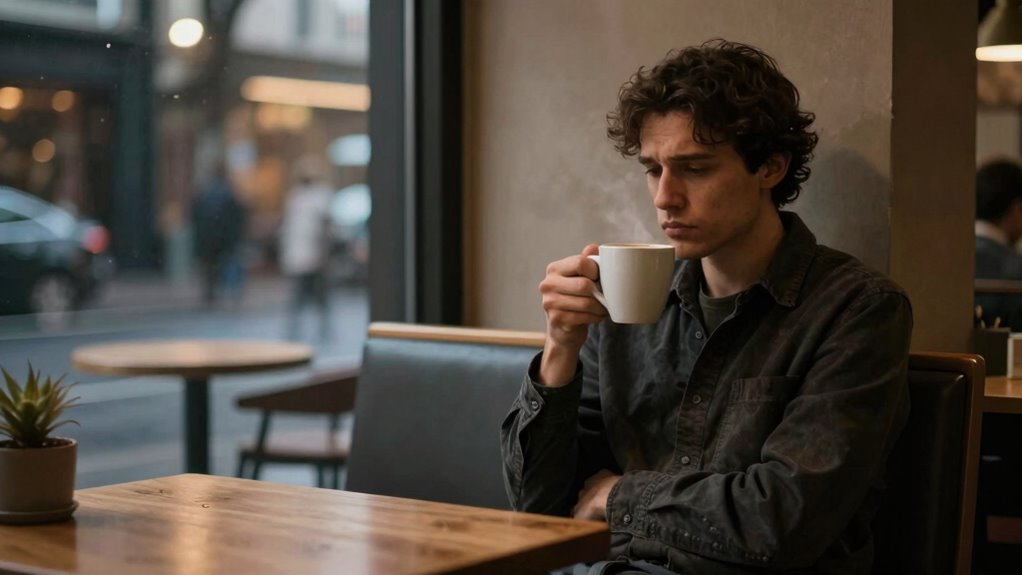
Have you ever wondered how the fear of being alone influences your dating choices? It’s a feeling that can push you into situations where emotional dependency takes hold, making it harder to see your worth clearly. When you’re afraid of solitude, you might cling to a relationship even if it’s unhealthy, just to avoid facing the silence or loneliness that feels overwhelming. This dependency can become a cycle—you seek comfort in the presence of someone else, but it often leaves you feeling more insecure and less confident in yourself. Over time, you might start to equate being with someone to being okay, which clouds your judgment and makes it difficult to recognize what you truly need from a partner.
Fear of being alone can lead to unhealthy relationships and cloud your perception of your true worth.
Your self-esteem challenges play a significant role here. When you struggle with self-esteem, you might believe that being alone is a reflection of your inadequacy, so you jump into relationships to fill that perceived void. The fear of being single becomes intertwined with feelings of shame or unworthiness, leading you to settle for less than you deserve. Instead of waiting for a relationship that genuinely complements you, you might rush into one just to silence those inner doubts. This rush often results in choosing partners who don’t meet your emotional needs or who reinforce your insecurities, further deepening your dependency and self-esteem issues. Recognizing how emotional dependency can develop from these fears is crucial for understanding your relationship patterns.
The cycle is difficult to break because the fear of being alone creates an emotional safety net of familiarity, even if it’s unhealthy. You might convince yourself that staying in a bad relationship is better than facing loneliness, not realizing that this keeps you from developing a healthier sense of self. You may also avoid working on personal growth because the discomfort of solitude feels so threatening that you prefer to stay in your comfort zone, even if it’s filled with dissatisfaction. Recognizing that a lack of emotional independence can lead to unhealthy patterns is crucial for breaking free from this cycle. Developing self-awareness about your fears and triggers can help you identify when these patterns are influencing your decisions and motivate you to seek healthier ways to cope.
Understanding how fear of solitude influences your behavior is essential for making meaningful changes. Recognizing how these fears influence your choices is the first step toward change. When you understand that emotional dependency and self-esteem challenges are at play, you can start working on building your confidence and independence. This process allows you to make more mindful decisions about your relationships, ones rooted in genuine connection rather than fear. Only then can you attract healthier, more fulfilling relationships that truly reflect your worth.
As an affiliate, we earn on qualifying purchases.
Frequently Asked Questions
How Can I Tell if My Fear Is Influencing My Choices?
You can tell if your fear influences your choices by noticing patterns of emotional dependency or attachment style triggers. If you often settle for less, stay in unhealthy relationships, or fear being alone, your attachment style might be affecting you. Pay attention to feelings of anxiety or desperation when dating, as these signs suggest your fear of loneliness shapes your decisions, prompting you to seek comfort over compatibility.
What Are Signs I’M Settling Due to Loneliness?
Did you know that 60% of people in fear-driven relationships stay longer than they should? If you notice you’re ignoring red flags, settling for less, or feeling anxious when alone, these are signs you’re settling due to loneliness. Relying on unhealthy loneliness coping strategies can reinforce this. Recognize these signs early, seek healthy connections, and prioritize self-growth to avoid prolonged fear-driven relationships.
Does Fear of Being Alone Impact Self-Esteem?
Yes, the fear of being alone can impact your self-esteem. When you’re anxious about loneliness, you might seek validation through others, which fosters emotional dependency. This reliance can diminish your sense of self-worth, making you doubt your value outside of relationships. Over time, it’s important to build confidence and self-love, so your self-esteem isn’t solely tied to your companionship or the fear of being alone.
How Can I Build Confidence to Be Alone?
You can build confidence to be alone by focusing on self-love and personal growth. Start by embracing your strengths and practicing kindness toward yourself. Engage in activities that make you feel accomplished, whether it’s picking up a new hobby or reflecting through journaling. Coincidentally, these steps help you realize your worth, making solitude feel like a time for growth rather than loneliness. Over time, you’ll find confidence blossoming naturally.
Are Certain Personality Types More Prone to This Fear?
Yes, certain personality traits and attachment styles make you more prone to fearing being alone. If you have anxious attachment, you might constantly seek reassurance and fear abandonment. High neuroticism can amplify fears of loneliness, while low self-esteem can lead you to cling to relationships for validation. Recognizing these traits helps you understand why you might struggle with solitude, and addressing them can improve your confidence and independence.
emotional dependency therapy tools
As an affiliate, we earn on qualifying purchases.
As an affiliate, we earn on qualifying purchases.
Conclusion
When you fear being alone, you might cling to relationships like a ship tethered to a fragile dock, hesitant to drift away into the unknown. But remember, true growth comes when you learn to sail solo, trusting your compass. Embracing solitude is like planting seeds in a quiet garden—eventually, it blooms into confidence and self-love. Don’t let the fear of solitude keep you from discovering the horizon where genuine connection awaits.
relationship self-assessment journal
As an affiliate, we earn on qualifying purchases.
As an affiliate, we earn on qualifying purchases.
personal growth and self-awareness courses
As an affiliate, we earn on qualifying purchases.
As an affiliate, we earn on qualifying purchases.
Halloween Picks
halloween
As an affiliate, we earn on qualifying purchases.