


To stop overanalyzing text messages, stay mindful and present during conversations. Focus on the overall message rather than every word or emoji, and trust that not everything requires deep analysis. Practice patience with yourself and set limits on how much time you spend dwelling on messages. Remember to breathe, ask clarifying questions, and keep responses simple. Developing trust and self-compassion will help you respond more confidently—keep exploring ways to improve your messaging mindset.

Get gifts for the two of you delivered free — and shop member deals
- Fast, free delivery on millions of items
- Access to Prime Big Deal Days deals on October 6–7
- Prime Video, Amazon Music and more included
Key Takeaways
- Practice mindfulness by focusing on the overall message rather than every detail or punctuation.
- Pause and take deep breaths before responding to reduce impulsive overthinking.
- Ask clarifying questions to prevent assumptions and gain clear understanding.
- Recognize and accept neutral or casual messages without overanalyzing their meaning.
- Cultivate trust in communication and practice self-compassion to ease anxiety around texting.
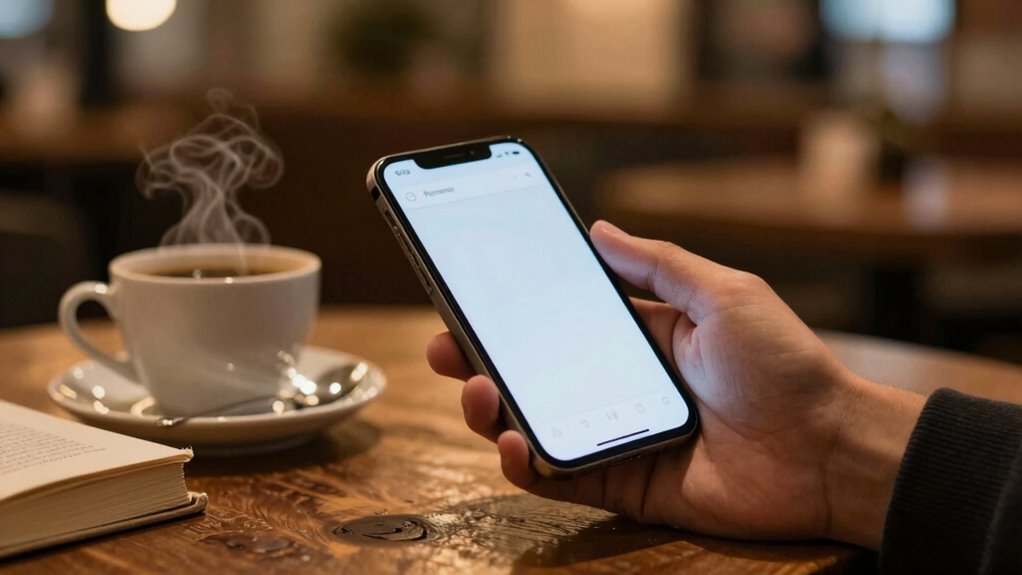
Overanalyzing text messages can quickly turn a simple conversation into a source of unnecessary stress. When you get caught up in every word, emoji, or punctuation mark, you might start questioning the other person’s intentions or feelings. This pattern often stems from a desire to understand and connect, but it can lead to misinterpretations and anxiety. Instead of obsessing over each message, you can practice mindful communication—being present and intentional with your responses. This means focusing on the message as a whole rather than dissecting every detail. When you approach texting with mindfulness, you acknowledge that not everything needs to be analyzed or overthought. You accept that some messages are just casual or neutral, and trying to read too much into them only fuels unnecessary worry. Recognizing the importance of emotional awareness can help you better navigate your reactions and reduce overthinking. Building emotional awareness is also key to stopping this cycle. When you understand your own emotions, you’re less likely to project insecurities onto text exchanges. Recognize that feelings like doubt or insecurity are natural but don’t have to control your reactions. Instead of jumping to conclusions, pause and ask yourself what you’re feeling and why. Are you anxious because of past experiences, or is there something specific in the message that truly concerns you? Developing this awareness helps you respond more consciously rather than impulsively, which reduces the tendency to overanalyze. Sometimes, simply taking a moment to breathe before replying can make a significant difference in how you interpret messages. Incorporating self-awareness techniques can also support healthier responses and reduce overthinking. Remember that practicing mindfulness in your communication can help create a more balanced perspective and lessen the mental clutter that comes from overanalyzing. You can also create healthier habits around texting. For example, set limits on how much time you spend ruminating over a message before responding. Remind yourself that texts don’t always carry hidden meanings—they’re often straightforward or ambiguous on purpose. If you’re unsure, it’s better to ask a clarifying question rather than assume the worst. Keep your responses simple and genuine, avoiding overcomplicated interpretations that feed your insecurity. Remember, your goal is to cultivate a balanced perspective; not every message requires deep analysis or second-guessing. Developing healthy communication habits can help you feel more confident and reduce the mental clutter associated with overthinking. Lastly, trust the process of communication and give yourself grace. Overanalyzing is a habit you can break with patience and practice. Focus on being present in your conversations, paying attention to your feelings, and responding with intention. Over time, this approach will help you develop a more relaxed attitude toward texting, reducing stress and creating healthier interactions. By embracing mindful communication and emotional awareness, you’ll find that you can enjoy your conversations without the mental clutter of overthinking every message.
mindfulness meditation for communication
As an affiliate, we earn on qualifying purchases.
As an affiliate, we earn on qualifying purchases.
Frequently Asked Questions
Can Overanalyzing Text Messages Harm My Mental Health?
Yes, overanalyzing text messages can harm your mental health by increasing emotional impact and causing decision paralysis. You might obsess over every word or tone, leading to stress and self-doubt. This constant mental churn can drain your energy and affect your mood. To protect yourself, try setting boundaries and trusting your intuition instead of overthinking every detail, allowing you to communicate more confidently and reduce anxiety.
How Long Should I Wait Before Replying to a Text?
Did you know that most people reply within 5 to 15 minutes? When it comes to text response timing, there’s no perfect answer; it depends on your comfort level. Waiting a few hours can prevent overanalyzing and emotional interpretation, reducing unnecessary stress. Trust your instincts—respond when you’re ready. Taking your time helps you avoid overthinking, and you’ll feel more confident when your reply reflects genuine feelings rather than anxiety.
Are There Specific Signs I’M Overanalyzing Messages?
You might be overanalyzing messages if you’re constantly reading between the lines or noticing emotional triggers where none exist. Signs include obsessively checking for replies, interpreting neutral texts as negative, or feeling anxious without clear reasons. If your thoughts revolve around the message’s tone or intent, and you struggle to trust your initial impressions, it’s a good sign you’re overthinking rather than genuinely understanding the conversation.
Should I Ask the Sender for Clarification?
If you’re unsure about the message, asking for clarification can help, but be mindful of tone shifts and cultural differences that might influence misunderstandings. Frame your question politely to avoid sounding accusatory, and consider how tone shifts could be misinterpreted across cultures. This approach encourages clear communication without overanalyzing, fostering understanding and reducing unnecessary stress about the message’s intent.
How Can I Rebuild Confidence in My Texting Skills?
Did you know 70% of people feel more confident in their texting skills when they practice regularly? To rebuild confidence, focus on building trust with your messages by being genuine and clear. Improving clarity helps you communicate your intentions effectively, reducing anxiety. Practice sending thoughtful, concise texts, and don’t fear making mistakes—they’re part of learning. Over time, your confidence will grow as you see positive responses and become more comfortable with your texting style.
As an affiliate, we earn on qualifying purchases.
Conclusion
Remember, overanalyzing every text is like trying to decipher a mystery novel with a magnifying glass; it only fuels anxiety. Trust your instincts and give the benefit of the doubt, just as a wise old owl would in the quiet night. Keep in mind, not every message holds a hidden meaning—sometimes, a smiley face is just that. So, breathe easy and let go of the “what-ifs”; the right connection will unfold naturally, like a well-worn tapestry.
text message anxiety relief tools
As an affiliate, we earn on qualifying purchases.
As an affiliate, we earn on qualifying purchases.
self-compassion books for anxiety
As an affiliate, we earn on qualifying purchases.
As an affiliate, we earn on qualifying purchases.
Evergreen bestsellers Picks
bestsellers
As an affiliate, we earn on qualifying purchases.