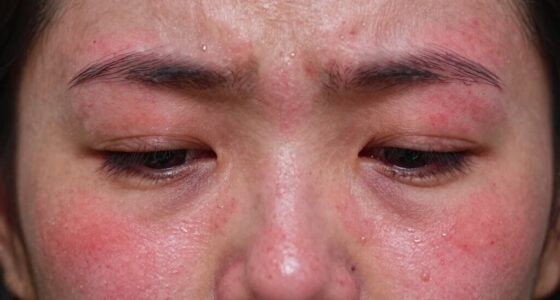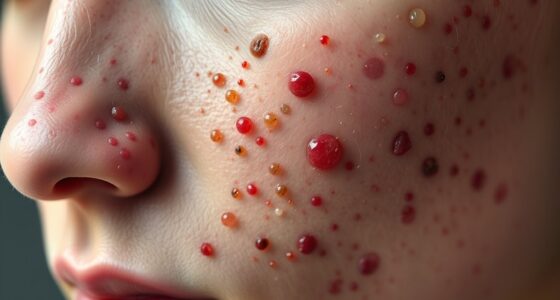

Lip plumping trends promise quick beauty boosts, but you should be aware of hidden dangers. Common ingredients like cinnamon, menthol, and chemicals can cause allergic reactions, swelling, or irritation, especially if you have sensitive skin. DIY methods or unsterile procedures increase infection risks, which can lead to pain, swelling, or scarring. Ignoring proper safety may result in long-term health issues. Keep exploring to understand how to safeguard yourself and ensure safe lip enhancements.

Get gifts for the two of you delivered free with Prime
- Fast, free delivery on millions of items
- Prime Video, Amazon Music and more included
- Member-only deals all year
Key Takeaways
- Many lip plumping products contain irritants like cinnamon, menthol, or chemicals that can cause allergic reactions and skin irritation.
- DIY methods and unsterilized tools increase infection risks, leading to swelling, pain, and potential abscesses.
- Invasive procedures like lip injections carry serious risks if performed in non-sterile environments, including bacterial contamination and scarring.
- Quick-fix trends often neglect safety, risking long-term health issues such as persistent swelling, scarring, or severe allergic responses.
- Consulting healthcare professionals and researching ingredients are essential for safe, effective lip enhancement practices.
While achieving fuller lips might seem like a quick beauty fix, many lip plumping trends hide serious health risks you should know about. These methods often involve applying products or undergoing procedures that promise instant results but can lead to uncomfortable or dangerous side effects. One of the most common concerns is allergic reactions. Many lip plumping products contain ingredients like cinnamon, menthol, or certain chemicals that can irritate your skin or cause swelling, redness, and itching. If you have sensitive skin or are prone to allergies, you might not immediately notice a reaction, but continued exposure can worsen symptoms or trigger more severe allergic responses. Even if you’ve used similar products before without issues, new formulations or combinations could still pose a risk.
Beware of lip plumping products containing cinnamon or menthol that can cause allergic reactions and skin irritation.
In addition to allergic reactions, infections represent another serious danger associated with lip plumping trends. Many DIY methods, such as using home remedies or unsterilized tools, introduce bacteria into delicate lip tissues. Small cuts or abrasions from aggressive scrubbing or sharp objects can become entry points for bacteria, leading to infections. These infections can manifest as swelling, pain, pus, or even fever, and may require medical treatment. Some people attempt to enhance their lips with injections or fillers without proper sterilization, increasing the risk of bacterial contamination. Infections can also develop if products are expired or contaminated, which is common when buying cheap or unregulated supplies. Additionally, the pressure to achieve quick results often encourages unsafe practices, increasing the likelihood of complications.
The allure of quick results often pushes people toward unverified or risky methods. You might be tempted to try over-the-counter lip plumping glosses, which often contain irritants that can cause allergic reactions or temporary swelling. Alternatively, you could be considering more invasive procedures like lip injections, which carry risks of infection if not performed in a sterile environment by a licensed professional. No matter the method, ignoring potential health hazards can lead to longer-term issues such as persistent swelling, scarring, or even more severe complications.
Your best defense is to be cautious and informed. Always research ingredients before trying new products, and consult with a healthcare professional or dermatologist if you’re considering a procedure. Prioritize safety over quick fixes, since the risks of allergic reactions and infections can outweigh the desire for plumper lips. Remember, beauty isn’t worth compromising your health, and there are safer, more sustainable ways to enhance your look without exposing yourself to unnecessary danger. Being aware of proper sterilization practices and choosing reputable treatments can significantly reduce health risks associated with lip enhancements.
Frequently Asked Questions
Are Natural Lip Plumping Remedies Safer Than Cosmetic Procedures?
Natural remedies can seem safer than cosmetic procedures, but they still carry risks. While they use ingredients like peppermint oil or cinnamon to temporarily boost lip volume, results vary and some ingredients may cause irritation. Cosmetic procedures, on the other hand, often provide more predictable results but come with risks like swelling or infection. Ultimately, weigh the safety and effectiveness of natural remedies versus professional treatments before deciding what’s best for you.
How Long Do Lip Plumping Effects Typically Last?
Did you know that most lip plumping effects last between 1 to 2 hours? The lip plumping duration varies depending on the method used—whether it’s a temporary gloss, filler, or natural remedies. To maintain the effects, you’ll need repeated applications or treatments. If you want longer-lasting results, professional procedures offer extended effects, but they also come with risks. Always consider how effects maintenance impacts your safety and budget.
Can Lip Plumping Cause Permanent Damage or Disfigurement?
You might wonder if lip plumping can cause permanent damage. While temporary swelling is common, there are disfigurement risks like permanent scarring or asymmetry if procedures go wrong. Repeated or unprofessional treatments increase the chance of lasting harm. To protect yourself, always consult a qualified professional and understand the potential risks. Avoid cheap or unverified products to minimize the chances of permanent disfigurement.
What Are the Signs of an Allergic Reaction to Lip Plumpers?
Like a storm brewing on the horizon, allergic reactions to lip plumpers can escalate quickly. You might notice symptoms such as swelling, redness, itching, or a burning sensation around your lips. In severe cases, you could experience difficulty breathing or swelling beyond your lips. Pay close attention to allergic symptoms and reaction severity, and if you notice any warning signs, seek medical attention immediately to prevent serious complications.
Are There Age Restrictions for Lip Plumping Treatments?
You might wonder about age restrictions for lip plumping treatments. Typically, safety regulations set minimum age limits, often around 18, to guarantee responsible use. These restrictions aim to protect younger individuals from potential risks. It is crucial to consult with a licensed professional who follows safety regulations before proceeding. That way, you can enjoy the benefits confidently, knowing your health and safety are prioritized.
Conclusion
Remember, beauty isn’t worth risking your health. While lip plumping trends may seem tempting, they hide potential dangers you shouldn’t ignore. Always do your research and consult professionals before trying risky procedures. As the saying goes, “Better safe than sorry.” By understanding the hidden risks, you can make smarter choices and protect your well-being. Your confidence should come from within, not at the expense of your health.
Halloween Picks
halloween
As an affiliate, we earn on qualifying purchases.