


Before moving in together, it’s essential to ask about each other’s debts, savings strategies, and how you’ll manage expenses. Discuss long-term goals like retirement, buying a home, or traveling to see if your visions align. Clarify financial habits, priorities, and expectations early on to prevent conflicts. Being transparent and understanding your partner’s approach to money creates a stable foundation. Keep exploring these topics to guarantee your financial compatibility for a harmonious future.
Key Takeaways
- Discuss each partner’s debt levels, repayment strategies, and transparency to ensure alignment with mutual financial goals.
- Explore savings habits, specific goals, and priorities to assess compatibility and prevent future conflicts.
- Decide on joint expense management, including account setup and bill-splitting methods, to establish clear boundaries.
- Review long-term financial goals like retirement, home, or travel plans to ensure shared vision and flexibility.
- Have open conversations about financial habits and responsibilities to build transparency and a stable financial future.

Have you ever wondered why some couples seem to navigate money matters effortlessly, while others struggle to find common ground? When it comes to moving in together, understanding each other’s approach to finances is vital. One of the first things to discuss is debt management. Knowing your partner’s debts, whether student loans, credit cards, or personal loans, can reveal how they handle financial responsibilities. Are they proactive about paying off debt, or do they tend to defer payments? Being transparent about debts helps you gauge how they prioritize financial obligations and whether their debt habits align with your own. It’s not about judging but understanding how debt impacts their financial picture and your potential shared future.
Next, you should immerse yourself in savings strategies. How does your partner approach saving money? Do they have specific savings goals, like an emergency fund or a down payment, or are they more spontaneous with their finances? Understanding their savings habits can shed light on their financial discipline and whether your savings strategies are compatible. For example, if you’re someone who prioritizes building a substantial emergency fund, and your partner prefers to spend more freely, you’ll need to find common ground. Discussing your individual savings plans and expectations helps prevent future conflicts and guarantees both of you are on the same page about financial security.
It’s also important to explore how you plan to manage joint expenses. Will you keep separate accounts, merge finances, or have a hybrid approach? Clarifying this early on can prevent misunderstandings and set clear boundaries. For instance, some couples find that splitting bills proportionally based on income works best, while others prefer a joint account for shared expenses. This decision depends on your comfort levels and financial goals, so having an open conversation about it is essential.
Additionally, don’t shy away from discussing future financial goals. Ask your partner about their long-term plans—retirement, buying a house, or traveling. Do your goals align, or will compromises be necessary? Understanding each other’s visions for the future helps you assess whether your financial paths are compatible. It also provides insight into how flexible and committed each of you is to working toward shared objectives. Recognizing the importance of financial compatibility can make all the difference in building a stable future together.

S&O Income and Expense Tracker Notebook for Better Money Management – Bookkeeping Record Book – Income and Expense Log Book Small Business – Ledger Books for Bookkeeping – 104 Pages, 6.4” x 8.4”
Build a Sustainable Business –– Upgrade your strategies and find success. Account for every transaction and reflect on…
As an affiliate, we earn on qualifying purchases.
As an affiliate, we earn on qualifying purchases.
Frequently Asked Questions
How Should We Handle Unexpected Expenses Together?
You should set up a plan for unexpected expenses by creating an emergency fund together, contributing regularly to it. Use expense tracking to monitor your spending and identify areas to save. When an unexpected expense arises, communicate openly about the cost and decide how to cover it without straining your finances. Regularly review your emergency fund and adjust contributions as needed, ensuring you’re both prepared for surprises.
What’s the Best Way to Split Shared Bills?
Think of splitting bills like sharing a pie—you want everyone to get a fair slice. To do this, use budgeting strategies that reflect each person’s income and expenses, ensuring fairness. Discuss savings goals together to set a transparent approach. Consider dividing bills proportionally or splitting fixed costs equally. Open communication keeps everyone on the same page, making shared financial responsibilities smoother and helping you both build trust and financial stability.
How Often Should We Review Our Financial Goals?
You should review your financial goals at least quarterly to stay aligned and modify for any changes. During these reviews, discuss your joint savings progress and reinforce financial boundaries to prevent misunderstandings. Regular check-ins help ensure you’re both on track, address any concerns, and set new targets as needed. This proactive approach keeps your financial partnership strong and minimizes surprises down the line.
How Do We Manage Debt Before Moving In?
Tackle debt before moving in by focusing on credit card management and savings strategies. You should prioritize paying down high-interest debts first and set a realistic budget to avoid unnecessary stress. Consider consolidating debts if it reduces interest rates, and create a savings plan for emergencies. Open communication with your partner about financial habits helps you stay aligned. This proactive approach ensures you start your new chapter debt-free and financially confident.
What if Our Spending Habits Conflict?
If your spending habits conflict, sit down together to discuss your spending priorities openly. Use budgeting strategies to find common ground and create a plan that respects both of your financial goals. Compromise is key; agree on limits for discretionary spending and set shared savings targets. By actively communicating and adjusting your budget, you can prevent conflicts and build a financially compatible partnership.

The Most Basic Emergency Fund
As an affiliate, we earn on qualifying purchases.
As an affiliate, we earn on qualifying purchases.
Conclusion
Before taking the leap, remember that financial compatibility is the sturdy bridge holding your future together. Asking the right questions now can prevent storms later, ensuring your shared path is smooth and steady. Open conversations are the seeds of trust, growing into a garden of understanding. Don’t let financial misunderstandings drown your relationship; nurture it with honesty and clarity. When you align your finances, you’re not just balancing budgets—you’re building a future where love and stability flourish side by side.
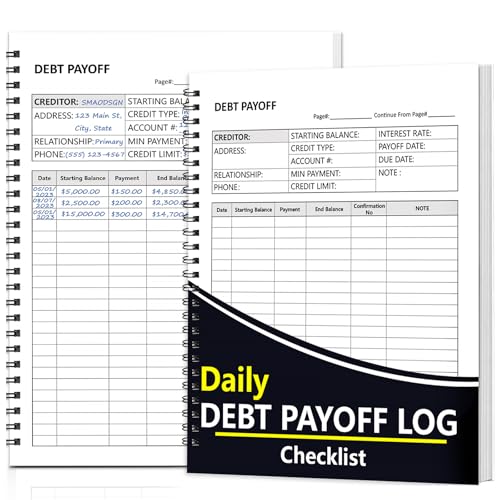
Debt Payoff Planner Spiral Bound Letter Size Debt Payoff Tracker 8.5×11 Inch Bill Payment Tracker Notebook Double Printed Financial Planner Monthly Expense Tracker for Credit Cards Payment 110 Pages
Comprehensive Debt Management Tool:The debt payoff planner log offers a detailed table design to help users manage debt…
As an affiliate, we earn on qualifying purchases.
As an affiliate, we earn on qualifying purchases.

Money for Couples: No More Stress. No More Fights. Just a 10-Step Plan to Create Your Rich Life Together.
As an affiliate, we earn on qualifying purchases.
As an affiliate, we earn on qualifying purchases.