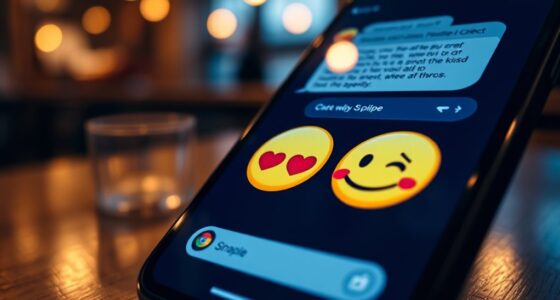
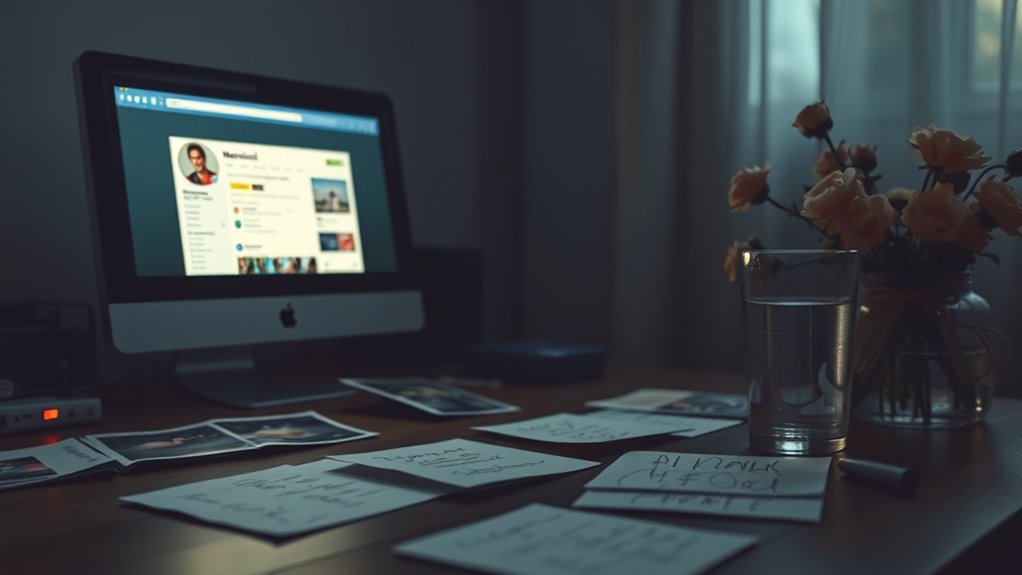

Social media offers powerful ways to memorialize loved ones through dedicated accounts and memorial pages. These digital spaces allow you to share memories, stories, and photos, helping you keep their legacy alive. They also enable others to participate in collective mourning, offering comfort and connection. While these memorials foster ongoing remembrance and support, understanding privacy and ethical considerations is important. If you want to explore how these online memorials shape grieving processes further, there’s more to discover.
Listen free for 30 days with Audible
Thousands of audiobooks and originals — cancel anytime.
As an affiliate, we earn on qualifying purchases.
Key Takeaways
- Memorializing accounts on social media preserve loved ones’ digital presence, allowing ongoing remembrance and tribute posting.
- These accounts enable friends and family to share memories, photos, and messages, fostering collective mourning.
- Privacy settings and platform policies help manage visibility and protect sensitive content in memorial profiles.
- Digital memorials facilitate accessible, decentralized spaces for grieving beyond traditional funeral rituals.
- They offer a way to publicly express grief, reducing isolation and supporting communal healing.

Have you ever wondered how social media transforms the way we grieve? It’s become a powerful tool for digital mourning, allowing friends and family to come together in shared remembrance, even from miles apart. Instead of traditional funerals or physical memorials alone, online memorials have gained prominence as a way to keep loved ones’ memories alive. When someone passes away, social media platforms often serve as digital spaces where people can express condolences, share stories, and celebrate the deceased’s life. These online memorials aren’t just digital tombstones; they become living archives of memories, photos, and messages that friends can revisit anytime. Through this, social media creates a space where grief can be expressed openly and publicly, helping many feel less isolated in their mourning process.
By setting up dedicated memorial pages or profiles, you can guarantee that a loved one’s digital presence remains a place for ongoing remembrance. These memorial accounts often have features that allow friends and family to post tributes, share heartfelt stories, or upload images that capture the essence of the person who has passed. This kind of digital mourning offers a sense of continuity, where grief isn’t confined to a specific time or place but becomes a part of ongoing social interactions. It also allows those who couldn’t attend a funeral or visit a grave to participate in memorializing their loved one from afar. Social media platforms act as accessible, decentralized spaces for collective mourning, making it easier for people to grieve in their own way and at their own pace. Additionally, understanding the privacy concerns associated with online memorials can help individuals navigate digital grief more thoughtfully.
However, creating and maintaining online memorials also raises questions about privacy, digital permanence, and the emotional impact of public mourning. Some may feel uncomfortable sharing intimate feelings or stories in a public forum, while others find comfort in seeing their loved ones remembered by a broad community. As you navigate this space, you may notice how social media’s immediacy can both facilitate quick, meaningful expressions of grief and sometimes lead to unintended exposure or insensitivity. Despite these challenges, the ability to memorialize accounts online has undeniably reshaped how we process loss. It provides a platform for collective healing, where digital mourning becomes a shared act of remembrance that transcends physical boundaries, making grief a communal experience rather than a solitary one.

Nonviolent Communication: A Language of Life: Life-Changing Tools for Healthy Relationships (Nonviolent Communication Guides)
As an affiliate, we earn on qualifying purchases.
Frequently Asked Questions
Can Memorialized Accounts Be Accessed by Anyone?
Memorialized accounts are typically not accessible by everyone; only approved friends and family often have public access. You might have privacy concerns if you try to view or interact with these accounts since they’re designed to honor the deceased while protecting their privacy. Social media platforms usually restrict access to memorialized profiles to ensure respectful remembrance and prevent misuse, so not just anyone can freely access these accounts.
How Does Social Media Handle Privacy for Grieving Families?
Think of social media as a fragile glass sculpture—delicate and requiring careful handling. When a loved one passes, platforms prioritize privacy concerns by allowing families to control memorialized accounts, setting who can see or comment. They often enable families to remove content or deactivate profiles, respecting their need for privacy and peace. This hands-on control helps grieving families protect their memories while steering through their healing journey.
Are There Legal Considerations in Memorializing Social Media Accounts?
You should be aware that legal rights vary when memorializing social media accounts, often depending on jurisdiction. Privacy policies of platforms may outline rules for memorialization, but it is crucial to review these carefully. You might need consent from the deceased’s estate or family to legally memorialize accounts. Understanding these legal considerations helps protect privacy rights and ensures you follow platform policies, avoiding potential disputes or violations.
What Are the Emotional Impacts of Online Memorials?
You might think online memorials are just digital spaces, but they deeply impact your emotional support and grief processing. These memorials offer a comforting way to remember loved ones, fostering connection and shared healing. However, they can also trigger intense emotions or nostalgia. Embracing these online spaces can aid your healing journey, helping you process grief in a supportive community while keeping cherished memories alive.
How Do Social Media Platforms Decide to Memorialize Accounts?
Social media platforms decide to memorialize accounts based on their verification and memorialization policies. You typically need to provide proof of death, like a death certificate, to request memorialization. Platforms review your application to confirm it meets their policies. Once verified, they turn the account into a memorial, which restricts certain features to honor the user’s memory and prevent misuse, giving loved ones a respectful space online.

Love More, Fight Less: Communication Skills Every Couple Needs: A Relationship Workbook for Couples
As an affiliate, we earn on qualifying purchases.
Conclusion
As you navigate the world of social media and grief, remember that over 70% of users find comfort in memorialized accounts. These digital spaces offer solace, connection, and remembrance during difficult times. By understanding their importance, you can better support loved ones and honor memories online. Embracing these virtual memorials helps keep spirits alive and fosters healing, proving that even in grief, social media can be a powerful tool for connection and remembrance.

PRACTICAL AT‑HOME COUPLES THERAPY WORKBOOK: Guided Relationship Toolkit for Honest Communication, Restored Intimacy and Collaborative Conflict Repair to Build a More Connected, Supportive Partnership
As an affiliate, we earn on qualifying purchases.

Couples Communication Workbook: 20 Minutes a Day for 12 Days to Improve Listening, Resolve Conflicts, and Strengthen Your Relationship (Relationship Skills Series)
As an affiliate, we earn on qualifying purchases.
Summer Picks
summer essentials
As an affiliate, we earn on qualifying purchases.