

When a breakup hurts more, it’s often because your emotional resilience and social support are weaker or less developed. If you struggle to process feelings or lack trusted people to turn to, you might feel overwhelmed and stuck in pain. Strong resilience and support help you recover faster and lessen emotional suffering. To understand how these factors influence your healing process and ways to strengthen them, keep exploring further.
Listen free for 30 days with Audible
Thousands of audiobooks and originals — cancel anytime.
As an affiliate, we earn on qualifying purchases.
Key Takeaways
- Breakups hurt more when emotional resilience is weak, making it harder to process and recover from feelings of loss.
- Lack of social support can intensify pain by increasing feelings of rejection and loneliness.
- Strong emotional attachment and unresolved feelings prolong the emotional impact of the breakup.
- Absence of effective emotional regulation skills can cause intense, spiraling feelings of despair.
- Negative perceptions of self-worth and future prospects amplify the pain experienced after a breakup.

Breakups are never easy, but some sting more deeply than others. You might find yourself overwhelmed by a wave of emotions—sadness, anger, or even disbelief—that seem impossible to shake. The reason some breakups hit harder often comes down to your emotional resilience. When you possess strong emotional resilience, you’re better equipped to handle heartbreak because you can process your feelings without spiraling into despair. It’s about your ability to bounce back, to acknowledge the pain without letting it define you. If you’ve cultivated this resilience through past experiences, therapy, or self-awareness, you’re likely to recover more quickly. Building emotional resilience is a key part of fostering mental well-being that can help you navigate difficult emotional experiences more effectively. Developing this skill often involves understanding and managing your emotional responses, which can be strengthened over time. Recognizing the importance of emotional regulation can significantly enhance your capacity to cope with heartbreak, especially when faced with unexpected or intense feelings.
Strong emotional resilience helps you heal faster and keep pain from defining your sense of self.
Social support plays an equally vital role in how deeply you feel the pain. When you lean on friends, family, or trusted confidants, you create a safety net that cushions the blow of heartbreak. Sharing your feelings with someone who listens without judgment helps you process your emotions more effectively. It’s not just about venting; it’s about feeling understood and validated, which can lessen the intensity of your pain. Conversely, if you feel isolated or believe that others don’t understand what you’re going through, the emotional weight can become overwhelming. You might dwell on what was lost or blame yourself more harshly, prolonging your suffering. Recognizing the importance of social support can help you seek out meaningful connections that aid in emotional recovery.
The strength of your social support system can also influence your perception of the breakup. When you have people who remind you of your worth and your capacity to move forward, it fosters hope and resilience. They serve as anchors that keep you grounded during turbulent times. On the other hand, if your support network is weak or unavailable, loneliness can intensify feelings of rejection and grief. You might obsess over what went wrong or feel that you’re entirely alone in your pain. Cultivating a supportive environment is crucial for healing and emotional recovery. Building strong connections with others creates a foundation that can help buffer against the most intense feelings of loss and rejection.
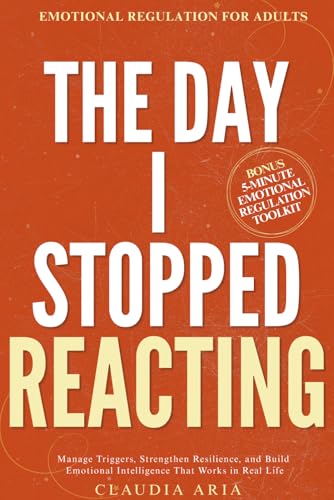
The Day I Stopped Reacting: Emotional Regulation for Adults To Manage Triggers, Strengthen Resilience, and Build Emotional Intelligence That Works in Real Life (The Rising Empaths)
As an affiliate, we earn on qualifying purchases.
As an affiliate, we earn on qualifying purchases.
Frequently Asked Questions
How Can I Heal Faster After a Painful Breakup?
To heal faster after a painful breakup, focus on self-compassion strategies like being kind to yourself and acknowledging your feelings. Incorporate healing rituals such as journaling, meditation, or spending time in nature to process emotions. Avoid rushing the process, and instead, give yourself permission to grieve. Surround yourself with supportive friends and take small steps toward rediscovering your happiness. Patience and gentle self-care are key to recovery.
Does Age Affect How Deeply I Feel Breakup Pain?
Age dynamics definitely influence how deeply you feel breakup pain. Younger people often have less emotional resilience, making heartbreak feel overwhelming and intense. As you grow older, you usually develop better coping skills and perspective, which can lessen the pain. However, individual experiences vary. So, while age can shape your emotional response, your personal resilience and support system ultimately determine how deeply you feel and recover from heartbreak.
Can Therapy Help With Breakup Emotional Recovery?
Yes, therapy can help with your emotional recovery after a breakup. It strengthens your emotional resilience by providing tools to process your feelings, manage pain, and rebuild confidence. The therapy benefits include gaining clarity, learning healthy coping strategies, and developing a positive outlook. By actively engaging in therapy, you’ll find it easier to heal, move forward, and regain your emotional balance more quickly.
Why Do Some People Experience Physical Symptoms After a Breakup?
After a breakup, you might experience physical symptoms like headaches or fatigue because your body reacts to emotional distress. When your emotional resilience is low, heartbreak symptoms can intensify, causing physical feelings of pain or discomfort. Your brain releases stress hormones, which can lead to these symptoms. To ease this, focus on self-care, seek support, and allow yourself time to heal, helping your body and mind recover from emotional pain.
How Long Does It Typically Take to Recover Emotionally?
Like a storm that gradually clears, emotional recovery varies, but most find it takes anywhere from a few months to a year. Building emotional resilience is key, and leaning on support systems—friends, family, or therapists—helps you heal faster. You might feel like a fragile leaf at first, but with time and care, you’ll regain strength, find your balance, and eventually, welcome new beginnings.

Switch Research Emotions Journal – Self Care Journal – Psychologist-Backed Manifestation Journal – Therapist Recommended Affirmation – Beautiful Self Care for Women – Size: A4
- Psychologist-Developed Strategies: Research-backed emotional well-being techniques
- Heal Negative Patterns: Targets and overcomes emotional habits
- Start Healing Today: Data-driven tools for faster results
As an affiliate, we earn on qualifying purchases.
As an affiliate, we earn on qualifying purchases.
Conclusion
Remember, time heals all wounds, but understanding why some breakups hurt more helps you heal faster. When you recognize the emotional investment, attachment style, and shared history involved, it becomes easier to accept and move on. Every breakup is a lesson, even if it stings now. As the saying goes, “What doesn’t kill you makes you stronger.” Embrace your journey, trust the process, and know that brighter days are ahead.

The Self-Regulation Workbook for Kids: CBT Exercises and Coping Strategies to Help Children Handle Anxiety, Stress, and Other Strong Emotions
As an affiliate, we earn on qualifying purchases.
As an affiliate, we earn on qualifying purchases.

After the Breakup: A Self-Love Journal: Prompts and Practices to Help You Get Over Your Ex
As an affiliate, we earn on qualifying purchases.
As an affiliate, we earn on qualifying purchases.
Flea & tick season Picks
flea and tick prevention
As an affiliate, we earn on qualifying purchases.