

The best relationship communication tools for couples fall into three camps: conversation card decks for low-effort connection, structured workbooks for couples working through real conflict, and daily habit guides for those short on time. My top pick, the Relationship Workbook for Couples: 8-Week Program, stands out because it treats communication as a skill to build over time rather than a single conversation to have — it pairs conflict-resolution strategies with trust and intimacy exercises in one structured arc. If you want something lighter, the Prompta 600 Conversation Cards offer the best depth range in the card category, while Love More, Fight Less works well as a straightforward skills primer. The main tradeoff to weigh is depth versus effort: card decks are easy to start but rarely change behavior, while workbooks demand more commitment but deliver lasting skills. Keep reading for the full breakdown of all 15 options.
Key Takeaways
- Card decks and workbooks serve different purposes: decks like Prompta 600 and Let’s Get Deep spark conversation, but only workbook-style picks such as the 8-Week Program and the CBT Couples Toolbox actually teach repeatable conflict-resolution skills.
- The strongest picks pair communication with a related goal — trust rebuilding, intimacy, or listening practice — because communication problems rarely exist in isolation.
- Time commitment was the biggest differentiator within workbooks: the 20 Minutes a Day for 12 Days format and the 15 Minute Couples Communication Handbook suit busy couples far better than eight-week programs.
- Two communication-focused books can overlap heavily; buyers should choose based on tone — direct scripts (Communicate Your Feelings) versus broader skill-building (Love More, Fight Less) — rather than buying both.
- Marriage-specific repair tools like the Reconnect workbook fill a niche that general communication guides don’t, making them the right call for couples recovering from a serious rupture rather than routine friction.
| Prompta 600 Conversation Cards for Couples |  | Best Overall Card Deck | Number of Cards: 600 | Card Size: 2.5″ x 1.75″ | Material: Cardboard, Paper | VIEW LATEST PRICE | See Our Full Breakdown |
| {THE AND} Long Term Couples Edition – 199 Meaningful Conversation Cards |  | Best for Long-Term Couples | Number of Cards: 199 | Brand: {THE AND} | Edition: Long-Term Couples Edition | VIEW LATEST PRICE | See Our Full Breakdown |
| Love More, Fight Less: Communication Skills Every Couple Needs | 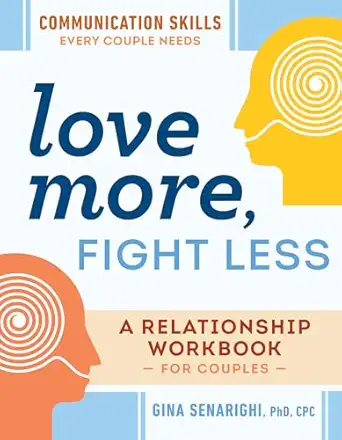 | Best Skills Workbook | Format: Paperback workbook | Content Type: Communication exercises and strategies | Focus Areas: Conflict resolution, communication skills, intimacy | VIEW LATEST PRICE | See Our Full Breakdown |
| Communicate Your Feelings (Without Starting a Fight) |  | Best for Conflict-Prone Conversations | Format: Book (digital edition available) | Content Type: Communication strategies and phrase guidance | Focus Areas: Emotional expression, conflict avoidance, healthy communication | VIEW LATEST PRICE | See Our Full Breakdown |
| The CBT Couples Toolbox: Over 45 Exercises to Improve Communication, Navigate Problems and Build Strong Relationships | 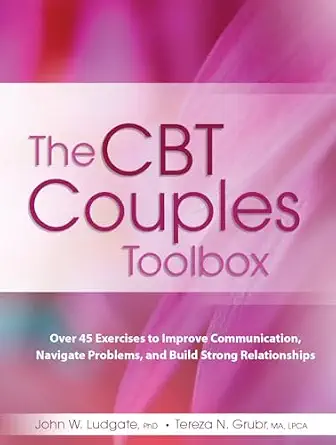 | Best Premium / Therapist-Grade Option | Format: Paperback workbook | Number of Exercises: 45+ | Approach: Cognitive-behavioral therapy (CBT) | VIEW LATEST PRICE | See Our Full Breakdown |
| Relationship Workbook for Couples: 8-Week Program and Proven Strategies to Rebuild Trust, Resolve Conflict, Improve Communication, and Rekindle Intimacy |  | Best Structured Program | Format: Paperback workbook | Program Length: 8 weeks | Focus Areas: Trust, conflict resolution, communication, intimacy | VIEW LATEST PRICE | See Our Full Breakdown |
| Couples Communication Workbook: 20 Minutes a Day for 12 Days to Improve Listening, Resolve Conflicts, and Strengthen Your Relationship |  | Best Low-Commitment Starter | Format: Paperback workbook | Program Length: 12 days | Daily Time Required: 20 minutes | VIEW LATEST PRICE | See Our Full Breakdown |
| Couples Connection Cards – 50 Conversation Starters for Couples |  | Best for Dates and Travel | Format: Physical card deck | Number of Cards: 50 | Suitable For: All relationship stages | VIEW LATEST PRICE | See Our Full Breakdown |
| Communication Skills for Couples: Guide to Improve Communication, Resolve Conflict, Deepen Intimacy, Strengthen Marriage, and Create a Healthy Relationship |  | Best Quick-Read Primer | Format: Paperback / print book | Style: Explanatory guide, not exercise-based | Focus Areas: Communication skills, conflict, intimacy, marriage | VIEW LATEST PRICE | See Our Full Breakdown |
| Reconnect: A Marriage Counseling Workbook |  | Best for Long-Term Marriages | Format: Paperback workbook | Style: Guided conversations and exercises | Focus Areas: Communication, intimacy, long-term connection | VIEW LATEST PRICE | See Our Full Breakdown |
| 8-Week Couples Therapy Workbook: Essential Strategies to Connect, Improve Communication, and Strengthen Your Relationship |  | Best Structured Program | Format: Spiral-bound paperback workbook | Program Length: 8 weeks | Focus Areas: Communication, emotional intimacy, connection | VIEW LATEST PRICE | See Our Full Breakdown |
| Chatterbox Conversation Cards for Couples |  | Best Portable Pick | Number of Cards: 200 | Dimensions: 3.9 x 3.4 inches | Players: 2 or more | VIEW LATEST PRICE | See Our Full Breakdown |
| The Couples Communication Handbook: Your Roadmap to Stronger, Healthier Communication and Deeper Connection |  | Best Deep-Dive Read | Format: Paperback handbook | Focus Areas: Communication strategies, connection, understanding | Content Type: Practical strategies and tools | VIEW LATEST PRICE | See Our Full Breakdown |
| Let’s Get Deep: A Couples Question Card Game by Relatable |  | Best Progressive Question Game | Players: 2 or more | Ages: 17+ | Content Rating: Mature | VIEW LATEST PRICE | See Our Full Breakdown |
| The 15 Minute Couples Communication Handbook: Simple & Practical Daily Exercises to Improve Communication, Resolve Conflict, and Strengthen Emotional Intimacy & Skills |  | Best for Busy Couples | Format: Paperback handbook | Time Commitment: 15 minutes per day | Content Type: Daily practical exercises | VIEW LATEST PRICE | See Our Full Breakdown |
| relationship communication tools for couple | Format | Focus Areas |
|---|---|---|
| Prompta 600 Conversation Cards | Physical card deck | — |
| {THE AND} Long Term Couples Ed | Physical card deck | — |
| Love More | Paperback workbook | Conflict resolution, communication skills, intimacy |
| Communicate Your Feelings | Book (digital edition available) | Emotional expression, conflict avoidance, healthy communication |
| The CBT Couples Toolbox: Over | Paperback workbook | Communication, problem navigation, relationship strength |
| Relationship Workbook for Coup | Paperback workbook | Trust, conflict resolution, communication, intimacy |
| Couples Communication Workbook | Paperback workbook | Listening, conflict resolution, relationship strength |
| Couples Connection Cards | Physical card deck | — |
| Communication Skills for Coupl | Paperback / print book | Communication skills, conflict, intimacy, marriage |
| Reconnect: A Marriage Counseli | Paperback workbook | Communication, intimacy, long-term connection |
| 8-Week Couples Therapy Workboo | Spiral-bound paperback workbook | Communication, emotional intimacy, connection |
| Chatterbox Conversation Cards | Card deck | — |
| The Couples Communication Hand | Paperback handbook | Communication strategies, connection, understanding |
| Let’s Get Deep: A Couples Ques | Card game | — |
| The 15 Minute Couples Communic | Paperback handbook | Communication, conflict resolution, emotional intimacy |
More Details on Our Top Picks
Prompta 600 Conversation Cards for Couples
This deck earns the top spot among card-based options because of its sheer volume and range. With 600 cards spanning light, medium, and deep questions, it lets a couple calibrate the intensity of a conversation to their mood, which smaller decks like the Long Term Couples Edition simply can’t match. Compared with that deck’s focused 199 questions, Prompta trades depth-per-question for longevity: this is the set a couple can pull out weekly for a year without repeating themselves. The compact 2.5″ x 1.75″ cards make it a natural fit for road trips and travel. The tradeoff is that breadth dilutes focus — unlike Let’s Get Deep, which gamifies the experience, Prompta is a straightforward question pipeline, and some prompts lean heavily emotional for couples who wanted more playful variety.
Pros:- 600 cards provide unmatched variety and replay value
- Light-to-deep question tiers let couples control emotional intensity
- Compact card size is travel-friendly for road trips and date nights
- Works at any relationship stage
Cons:- Questions can feel repetitive or overly similar over long-term use
- Heavy emotional focus may overwhelm couples wanting playful prompts
- Couples-only design excludes group or party settings
Best for: Couples who want a long-lasting, go-anywhere question deck with flexibility across comfort levels
Not ideal for: Couples expecting a game-like experience or lighthearted party content — this deck skews toward emotional introspection
- Number of Cards:600
- Card Size:2.5″ x 1.75″
- Material:Cardboard, Paper
- Brand:Rayliad
- Question Depth Levels:Light, Medium, Deep
- Format:Physical card deck
- Intended Users:Couples
Our verdict“The best all-around pick for couples who want a deck that lasts and flexes from casual to deep.”
{THE AND} Long Term Couples Edition – 199 Meaningful Conversation Cards
Where Prompta wins on volume, this deck wins on curated depth. Its 199 questions were written specifically for partners who already know each other’s basics and want to revisit their shared history rather than start from scratch — a focus no other deck in this lineup shares. Compared with the Couples Connection Cards (only 50 starters), the higher count here means a mature couple can sustain months of date-night conversation. The reflection-oriented prompts suit anniversaries, vacations, and quiet evenings. The tradeoff is narrowness: newer couples will find questions about shared journeys premature, and unlike workbook options like Love More, Fight Less, there’s no skill-building component — it’s conversation fuel, not coaching. There are also no digital companions or app integration for couples who prefer guided structure.
Pros:- Questions purpose-built for long-term partners, not generic prompts
- Encourages reflection on shared history and reconnection
- Well-suited to date nights, anniversaries, and vacations
- Higher card count than comparable reflective decks
Cons:- Adults-only framing limits flexibility
- Solely relationship-focused with no playful or icebreaker content
- No digital or supplementary components
Best for: Established couples in multi-year relationships who want to reflect on their journey and reconnect
Not ideal for: New couples still learning basics, or partners who want exercises and skills rather than open-ended questions
- Number of Cards:199
- Brand:{THE AND}
- Edition:Long-Term Couples Edition
- Age Range:18 years and up
- Format:Physical card deck
- Intended Users:Long-term couples
- Category:Toys & Games
Our verdict“The clear choice for longtime partners who want depth over breadth and reflection over icebreakers.”
Love More, Fight Less: Communication Skills Every Couple Needs
This book shifts the category from conversation prompts to actual skill-building, which is why it ranks above the other workbooks in this roundup’s structure. Card decks like Prompta or {THE AND} spark dialogue but don’t teach how to dialogue during a disagreement; this workbook’s exercises target conflict resolution as a learnable practice. Compared with Communicate Your Feelings (Without Starting a Fight), which focuses on expression techniques, this option takes a broader systems approach — understanding patterns, not just phrasing. The real tradeoff is effort: this is homework, not entertainment. Couples expecting a casual date-night activity will find the structured exercises demanding, and those wanting a time-boxed program may prefer the Couples Communication Workbook’s explicit 20-minutes-a-day format instead.
Pros:- Teaches transferable communication skills rather than one-off conversations
- Includes practical, actionable exercises
- Directly addresses conflict resolution and de-escalation
- Broader scope than expression-only guides
Cons:- Requires sustained commitment to work through the exercises
- Workbook format feels like homework rather than recreation
- Light on immediate results without consistent practice
Best for: Couples stuck in recurring conflict patterns who want structured exercises, not just conversation prompts
Not ideal for: Couples seeking a light, spontaneous activity — this requires deliberate effort and commitment to complete
- Format:Paperback workbook
- Content Type:Communication exercises and strategies
- Focus Areas:Conflict resolution, communication skills, intimacy
- Intended Users:Couples
- Interaction Style:Self-guided written exercises
- Category:Relationship self-help
Our verdict“The right pick for couples who want to fix how they argue, not just chat more pleasantly.”
Communicate Your Feelings (Without Starting a Fight)
Where most entries in this roundup help couples connect, this one targets the moment things go wrong: the difficult conversation itself. Its phrase-level guidance — what to say and what not to say — makes it more tactical than Love More, Fight Less, which builds broader skills through exercises over weeks. This option is the one to reach for the night after a blow-up. Compared with card decks like Prompta, it’s a solo-read that one partner can absorb and apply even if the other never opens it — a genuine advantage for asymmetric motivation. The tradeoff is that quick tactical advice can feel shallow for couples with deep-rooted issues, and results depend heavily on how closely the reader’s situation matches the book’s examples. It also lacks the structured program of workbook alternatives.
Pros:- Concrete do-and-don’t phrasing advice that’s usable right away
- One partner can benefit even if the other won’t participate
- Focused specifically on de-escalating conflict
- More immediately practical than broad theory books
Cons:- Tactical focus may feel shallow for serious or chronic relationship problems
- Advice applicability varies with each couple’s specific situation
- No structured exercises or program to reinforce the techniques
Best for: Partners who keep derailing tough conversations and want concrete phrasing fixes they can use immediately
Not ideal for: Couples facing deep-rooted relational issues who need a structured, long-term program rather than tactical tips
- Format:Book (digital edition available)
- Content Type:Communication strategies and phrase guidance
- Focus Areas:Emotional expression, conflict avoidance, healthy communication
- Intended Users:Couples and individual partners
- Interaction Style:Solo reading, applied practice
- Category:Relationship self-help
Our verdict“A fast, practical read for the partner who wants better words for hard moments tonight.”
The CBT Couples Toolbox: Over 45 Exercises to Improve Communication, Navigate Problems and Build Strong Relationships
This is the most clinically grounded entry in the roundup, built around cognitive-behavioral therapy techniques rather than pop-psychology advice. Compared with Love More, Fight Less, which offers approachable general exercises, this toolbox provides a deeper, more systematic framework — closer to what a couples therapist might assign between sessions. Its 45+ exercises make it the heaviest commitment here, which cuts both ways: serious couples get a genuinely rigorous program, while casual ones will abandon it. Unlike the Prompta or {THE AND} decks, it won’t function as a spontaneous date-night activity at all. The payoff for those who commit is stronger problem-solving structure than any other book in this lineup, but it assumes both partners are fully bought in — half-engaged couples will get little from it.
Pros:- CBT-based exercises with clinical grounding
- 45+ exercises offer a substantial, systematic program
- Strong focus on structured problem-solving, not just conversation
- Useful as a supplement to actual couples therapy
Cons:- Demands significant time and commitment from both partners
- Denser and less approachable than pop-psychology workbooks
- Not suitable for spontaneous or low-effort use
Best for: Highly motivated couples who want a therapy-adjacent, evidence-based program and will commit to real work
Not ideal for: Casual or half-committed couples — the exercise load is heavy and demands participation from both partners
- Format:Paperback workbook
- Number of Exercises:45+
- Approach:Cognitive-behavioral therapy (CBT)
- Focus Areas:Communication, problem navigation, relationship strength
- Intended Users:Couples seeking structured therapeutic work
- Interaction Style:Guided written exercises
- Category:Relationship self-help / therapy workbook
Our verdict“The deepest, most therapy-like option here — for couples serious enough to do the work.”
Relationship Workbook for Couples: 8-Week Program and Proven Strategies to Rebuild Trust, Resolve Conflict, Improve Communication, and Rekindle Intimacy
Among the workbook options in this roundup, this one stands out for its longest and most structured timeline: a full 8-week program that moves from trust rebuilding through conflict resolution to intimacy. Compared with the Couples Communication Workbook, which wraps up in 12 days, this format works better for couples dealing with deeper wounds — a betrayal, a prolonged rough patch — where a two-week sprint simply isn’t enough time to make real progress.
The tradeoff is honest commitment. Eight weeks of exercises demands consistency from both partners, and couples who already struggle to carve out time together may find the pacing intimidating rather than helpful. It also overlaps in scope with the 8-Week Couples Therapy Workbook, so buyers should compare chapter focus before choosing. This pick makes the most sense for couples who want a therapy-adjacent curriculum rather than light daily prompts.
Pros:- Eight-week structure allows time for genuine trust rebuilding, not just quick exercises
- Covers the full arc from conflict resolution to rekindled intimacy
- Practical exercises rather than abstract theory
- Works well as a companion to ongoing couples counseling
Cons:- Requires sustained commitment from both partners over two months
- Heavier emotional investment may feel overwhelming for mildly struggling couples
Best for: Couples recovering from a serious breach of trust or a long rough patch who can commit to two months of guided work
Not ideal for: Busy or casually disconnected couples who won’t sustain an 8-week schedule — the program loses its value if abandoned midway
- Format:Paperback workbook
- Program Length:8 weeks
- Focus Areas:Trust, conflict resolution, communication, intimacy
- Exercise Style:Weekly guided exercises and strategies
- Audience:Committed couples, including those repairing after conflict
- Time Commitment:High — multi-week program
Our verdict“Choose this if your relationship needs a serious, sustained rebuilding program rather than a quick communication tune-up.”
Couples Communication Workbook: 20 Minutes a Day for 12 Days to Improve Listening, Resolve Conflicts, and Strengthen Your Relationship
Where the Relationship Workbook for Couples asks for two months, this option bets that 20 minutes a day for 12 days is enough to shift how a couple talks to each other. That constraint is its greatest strength: the low daily time commitment removes the most common excuse for quitting, and the listening-first focus makes it a gentler on-ramp than conflict-heavy workbooks like Reconnect, which digs into longer guided conversations.
The tradeoff is depth. Twelve short sessions can build momentum, but couples with entrenched resentment will likely hit the end of the program wanting more structure — at which point something like Love More, Fight Less becomes the natural next step. It also lacks the card-based variety of options like the Prompta 600 cards, so it won’t suit partners who dislike homework-style exercises. This pick makes the most sense as a first dip into couples work before committing to something longer.
Pros:- 20-minute daily format fits even the most packed schedules
- Defined 12-day endpoint creates a realistic finish line
- Listening skills focus is a productive, non-confrontational entry point
- Low cost relative to counseling or longer programs
Cons:- Limited depth — 12 days may not resolve entrenched conflict patterns
- Thin author and content information makes quality hard to verify in advance
Best for: Busy couples new to relationship workbooks who want a short, defined program they can realistically finish
Not ideal for: Couples with deep-rooted conflict who need sustained, therapy-level structure beyond 12 sessions
- Format:Paperback workbook
- Program Length:12 days
- Daily Time Required:20 minutes
- Focus Areas:Listening, conflict resolution, relationship strength
- Exercise Style:Short daily exercises for two partners
- Commitment Level:Low to moderate
Our verdict“A sensible first workbook for couples who want quick wins without a multi-month commitment.”
Couples Connection Cards – 50 Conversation Starters for Couples
This is the only card-based pick in this batch, and that format changes everything about how it gets used. Unlike the workbooks here, which require both partners to sit down for exercises, these 50 conversation starters slot naturally into date nights, road trips, or long-distance video calls — no pencils or homework required. Compared with bigger card decks in this roundup, like the Prompta 600 or the Long Term Couples Edition with 199 cards, the appeal here is simplicity and portability: a small deck you can actually keep in a bag or glovebox.
The obvious tradeoff is volume. Fifty questions can run dry within a couple of months of regular use, and the deck includes no game variations or instructions, so couples wanting structured play should look at Let’s Get Deep instead. It also won’t help couples who need to work through conflict — it opens conversations, but doesn’t guide resolution.
Pros:- Ultra-portable format works anywhere, including long-distance relationships
- Zero learning curve — just draw a card and talk
- Thoughtful gift option for weddings and anniversaries
- Suits every relationship stage from new to decades-long
Cons:- Only 50 questions — frequent users will exhaust the deck quickly
- No instructions or game variations for more interactive play
Best for: Couples wanting a portable, no-pressure way to spark conversation on dates, trips, or long-distance calls
Not ideal for: Couples seeking guided conflict-resolution work — these prompts start conversations but don’t coach through them
- Format:Physical card deck
- Number of Cards:50
- Suitable For:All relationship stages
- Use Cases:Date nights, long-distance relationships, gifts
- Portability:Compact and travel-friendly
- Time Required:Casual, self-paced
Our verdict“Best as a low-effort conversation spark and a great gift, not as a substitute for structured couples work.”
Communication Skills for Couples: Guide to Improve Communication, Resolve Conflict, Deepen Intimacy, Strengthen Marriage, and Create a Healthy Relationship
Unlike the exercise-driven workbooks in this lineup, this is a reading-first guide — closer to a compact skills manual than a program. That makes it the right fit for a partner who wants to understand the concepts behind healthy communication before doing any written exercises at all. Compared with Love More, Fight Less, which teaches similar skills through practice, this book front-loads explanation, which suits couples where one partner resists ‘homework’ but will happily read a few chapters.
The tradeoff is passive by design: reading about active listening is not the same as practicing it, and couples who need structure will get more from the Couples Communication Workbook’s 12-day plan. The marriage-centric framing also skews toward committed and married couples rather than newer relationships. This pick makes the most sense as a shared starting text to read and discuss together before graduating to a workbook.
Pros:- Teaches transferable communication skills, not just one-off exercises
- Reading format suits partners who resist workbook homework
- Affordable, low-risk introduction to couples communication concepts
- Covers conflict, intimacy, and long-term relationship health in one text
Cons:- Lacks interactive exercises, so behavior change depends on the couple applying concepts themselves
- Sparse reviews and detail make depth and length hard to gauge before buying
Best for: Couples who prefer understanding techniques through reading before attempting structured exercises, especially married pairs
Not ideal for: Exercise-oriented learners who want prompts and worksheets — this is primarily explanatory, not interactive
- Format:Paperback / print book
- Style:Explanatory guide, not exercise-based
- Focus Areas:Communication skills, conflict, intimacy, marriage
- Target Audience:Married and long-term committed couples
- Commitment Level:Self-paced reading
- Time Required:Low — read at your own pace
Our verdict“A solid read-first primer for couples who want the theory before the practice — exercise seekers should pick a workbook instead.”
Reconnect: A Marriage Counseling Workbook
What separates this workbook from the others in this batch is its explicit focus on long-term relationships — the slow drift, the routines, the intimacy that fades without a dramatic blowup. Where the Relationship Workbook for Couples targets repairing damage, Reconnect is oriented toward guided conversations that rebuild closeness in marriages that are stable but emotionally flat. That conversation-led approach sits between the reading-heavy Communication Skills for Couples guide and the card-prompt format of the Long Term Couples Edition deck, offering more facilitation than either.
The tradeoff is that guided conversations only work if both partners show up honestly. A partner who answers superficially will stall the whole exercise, and there’s no quick 12-day finish line like the Couples Communication Workbook offers to build momentum. Compared with hiring a counselor, though, the cost-to-value ratio is hard to beat for couples willing to put in the effort.
Pros:- Guided-conversation format mimics counseling sessions without the cost
- Specifically designed for the dynamics of long-term marriages
- Addresses emotional drift, not just conflict skills
- Published with professional editorial backing (major imprint)
Cons:- Effectiveness depends heavily on both partners engaging honestly
- Requires meaningful time and commitment to complete the exercises
Best for: Long-married couples feeling emotionally distant who want counselor-style guided conversations at home
Not ideal for: Couples in active crisis or with one unwilling partner — the conversation format collapses without genuine participation
- Format:Paperback workbook
- Style:Guided conversations and exercises
- Focus Areas:Communication, intimacy, long-term connection
- Target Audience:Long-term married couples
- Approach:Marriage-counseling-inspired structure
- Commitment Level:Moderate to high
Our verdict“The strongest choice for stable-but-distant marriages that want a counseling-style reset at home.”
8-Week Couples Therapy Workbook: Essential Strategies to Connect, Improve Communication, and Strengthen Your Relationship
Among the workbooks in this roundup, this option stands out for its time-bound, week-by-week structure, which gives couples a clear finish line instead of an open-ended reading experience. Compared with Love More, Fight Less, which teaches communication skills in a more essay-driven way, this workbook leans on guided exercises that build on each other, making it feel closer to a self-directed therapy course. The spiral binding is a small detail that matters more than it sounds — it lies flat during written exercises, unlike standard paperbacks such as The Couples Communication Handbook. The tradeoff is real commitment: eight weeks of consistent effort, and couples who already juggle packed schedules may find The 15 Minute Couples Communication Handbook an easier entry point.
Pros:- Clear 8-week program with progressive exercises
- Strong focus on both communication and emotional intimacy
- Spiral-bound format lies flat for written work
- Feels like a structured course rather than passive reading
Cons:- Demands sustained commitment over two months
- No verified customer ratings to gauge real-world results
- Less useful as a quick reference once the program ends
Best for: Couples who want a therapy-style, curriculum-driven program and can commit to weekly exercises together
Not ideal for: Busy or highly inconsistent schedules — the eight-week arc loses its value if sessions are frequently skipped
- Format:Spiral-bound paperback workbook
- Program Length:8 weeks
- Focus Areas:Communication, emotional intimacy, connection
- Content Type:Guided exercises and strategies
- Audience:Couples
- Language:English
Our verdict“This pick makes the most sense for couples who want the discipline and structure of a therapy program without the therapist’s price tag.”
Chatterbox Conversation Cards for Couples
Where most card decks in this roundup compete on question depth, Chatterbox wins on portability. At roughly four inches across, the deck slips into a purse or glove compartment, which makes it a natural companion for road trips and restaurant date nights — something bulkier sets like Prompta 600 can’t match as easily. With 200 cards, it splits the difference between compact starter decks like the 50-card Couples Connection Cards and larger collections, offering enough variety for months of casual use. The questions skew toward warmth and laughter rather than intense introspection, so couples hoping for therapy-level depth should look at Let’s Get Deep instead. Over time, repeat questions are a genuine risk for long-term users.
Pros:- Genuinely compact and travel-friendly size
- 200 cards provide solid variety for the price point
- Light, fun tone lowers the barrier to starting conversations
- Works for dates, anniversaries, and road trips
Cons:- Questions can feel repetitive after extended use
- Limited emotional depth compared to tiered decks
- Strictly a two-person format for most prompts
Best for: Couples who travel often or want a low-pressure conversation starter for date nights out
Not ideal for: Couples seeking deep emotional work — the tone is playful, not therapeutic
- Number of Cards:200
- Dimensions:3.9 x 3.4 inches
- Players:2 or more
- Language:English
- Format:Card deck
- Best Use:Date nights, travel, anniversaries
Our verdict“This deck makes the most sense for couples who want connection on the go and value fun over hard-hitting emotional territory.”
The Couples Communication Handbook: Your Roadmap to Stronger, Healthier Communication and Deeper Connection
This handbook takes a concept-first approach, explaining the why behind communication breakdowns before prescribing fixes — a contrast to exercise-heavy options like The CBT Couples Toolbox or the 8-Week Couples Therapy Workbook. For couples who want to genuinely understand patterns like defensiveness or stonewalling rather than just complete worksheets, this structure pays off. It reads as a roadmap, building understanding progressively, which suits partners who prefer discussing ideas together over writing in margins. The drawback is restraint: compared with the daily drills in The 15 Minute Couples Communication Handbook, there’s less built-in accountability, so progress depends heavily on the couple’s own initiative. It also lacks verified ratings or edition details, making it a slightly riskier blind buy than better-reviewed competitors.
Pros:- Explains root causes of communication problems, not just symptoms
- Progressive roadmap structure builds understanding over time
- Works well for discussion-oriented couples
- Broader scope than single-topic communication books
Cons:- No built-in exercises to enforce practice
- Few verified reviews or edition details available
- Requires self-motivation to apply the concepts
Best for: Couples who prefer reading and discussing ideas together over completing workbook exercises
Not ideal for: Couples who need structure and accountability — there are no scheduled exercises to keep momentum going
- Format:Paperback handbook
- Focus Areas:Communication strategies, connection, understanding
- Content Type:Practical strategies and tools
- Audience:Couples
- Approach:Concept-driven roadmap
- Language:English
Our verdict“This pick suits couples who believe understanding the problem is half the solution and who will apply the ideas without a worksheet holding them accountable.”
Let’s Get Deep: A Couples Question Card Game by Relatable
Let’s Get Deep solves the biggest problem with flat question decks like Chatterbox: pacing. Its three escalating intimacy levels let a conversation warm up gradually instead of jumping straight into heavy territory, and the added activity category breaks up pure Q&A in a way most decks in this roundup don’t attempt. Compared with Prompta 600, it trades sheer volume for a game-like experience that feels intentional on a date night rather than like homework. The catch is the 17+ mature content — this is firmly an adult product, and some prompts push past what every couple wants on a Tuesday evening. It’s also entertainment-first; couples working through active conflict will get more from a workbook like Reconnect.
Pros:- Three intimacy levels create natural conversational pacing
- Activity category adds variety beyond questions
- Polished game format feels like entertainment, not therapy
- Strong gift option for weddings and anniversaries
Cons:- Mature content limits the audience to adults 17+
- Smaller question pool than 200+ card competitors
- Not designed for resolving active relationship conflict
Best for: Adult couples who want a date-night game that builds intimacy gradually rather than all at once
Not ideal for: Newer or more conservative couples uncomfortable with mature content, and anyone needing conflict-resolution tools
- Players:2 or more
- Ages:17+
- Content Rating:Mature
- Categories:Conversation, Couples, Card Game
- Structure:3 intimacy levels plus activity category
- Format:Card game
- Brand:Relatable
Our verdict“This game makes the most sense for established adult couples who want intimacy-building to feel like a fun night in rather than an assignment.”
The 15 Minute Couples Communication Handbook: Simple & Practical Daily Exercises to Improve Communication, Resolve Conflict, and Strengthen Emotional Intimacy & Skills
The defining promise here is 15 minutes a day, and that constraint is the whole point. Where the 8-Week Couples Therapy Workbook asks for sustained weekly commitment and Couples Communication Workbook demands 20 minutes across 12 days, this handbook compresses the ask to something even overloaded schedules can absorb. Daily micro-exercises also build habits better than occasional long sessions — a real advantage for couples whose previous attempts at workbooks stalled. The tradeoff is depth: some exercises come with thin instructions, leaving couples to interpret intent on their own, and the format can’t tackle entrenched issues like resentment or trust repair the way Reconnect: A Marriage Counseling Workbook can. Think of it as maintenance rather than renovation.
Pros:- Genuinely realistic 15-minute daily time commitment
- Habit-forming daily structure beats occasional long sessions
- Covers communication, conflict, and emotional intimacy in one place
- Easy entry point for couples new to relationship tools
Cons:- Some exercises lack detailed instructions
- Too shallow for deep-seated or chronic relationship problems
- Daily consistency still required to see results
Best for: Time-strapped couples who want a low-commitment daily habit that still moves the needle on communication
Not ideal for: Couples in serious conflict — the short format lacks the depth needed for major repair work
- Format:Paperback handbook
- Time Commitment:15 minutes per day
- Content Type:Daily practical exercises
- Focus Areas:Communication, conflict resolution, emotional intimacy
- Audience:Couples, especially busy schedules
- Language:English
Our verdict“This handbook is the right choice for busy couples who want small daily wins instead of an ambitious program they’ll abandon by week three.”

How We Picked
I evaluated each tool through one lens: how well it improves how couples actually talk to each other, not just how good it looks on a coffee table. The criteria included format fit (cards, workbook, or daily guide), the quality and progression of the prompts or exercises, whether the tool teaches transferable skills like active listening and de-escalation or just generates one-off conversations, and the realism of the time commitment it asks for. I also weighed how each tool handles conflict specifically — the area most couples seek help for — and whether it supports both partners equally or assumes one reader.
The ranking logic follows buyer intent. Tools that build durable communication skills rank highest because they address root causes; well-designed card decks rank next as accessible entry points; and narrower or more repetitive options sit lower despite being genuinely useful for specific situations. Where two products cover similar ground, I ranked the one with clearer structure and a more realistic commitment level ahead of the one that promises more than it delivers.
Factors to Consider When Choosing Relationship Communication Tools For Couples
Before choosing, it helps to understand what kind of communication problem you’re actually trying to solve — the right tool depends heavily on the answer.Match the Format to Your Problem
Cards, workbooks, and daily guides solve different problems, and buying the wrong format is the most common mistake couples make. Card decks work best when silence, routine, or emotional distance is the issue — they lower the barrier to talking without requiring anyone to admit something is wrong. Workbooks suit couples stuck in repeating conflict patterns, because they teach named skills like reflective listening and structured problem-solving that survive beyond the exercise. Daily habit guides fit couples who already get along but want maintenance rather than repair. A common trap is buying a deck hoping it will fix arguments — prompts can open doors, but they don’t teach you what to do once a disagreement starts.
Be Honest About Commitment Levels
An eight-week program only works if both partners will actually show up for eight weeks. One partner buying a heavy workbook and assigning it like homework is a well-documented recipe for resentment, so gauge willingness before you buy. If your partner is hesitant or skeptical, a low-friction entry point — a card game framed as fun, or a 12-day, 20-minute format — has a much higher completion rate than a comprehensive program. You can always graduate to deeper work later. The mistake to avoid is equating a bigger book with better results; consistency with a small tool beats two chapters of an abandoned one.
Look for Skills, Not Just Prompts
The best tools teach repeatable techniques — how to phrase a complaint without blame, how to reflect back what you heard, how to pause a fight that’s escalating. Products built on cognitive behavioral principles or scripted phrasing examples tend to deliver more lasting change than open-ended question lists. Read the table of contents or sample pages before buying: if everything is questions and nothing is instruction, you’re buying conversation, not communication training. Both have value, but know which one you’re paying for. Couples in recurring conflict almost always need the instructional kind.
Consider Where Your Relationship Actually Is
A tool designed for happy couples wanting novelty will feel dismissive to a couple repairing after a breach of trust, and a repair-focused workbook can feel heavy for a couple that just wants to talk more. Relationship stage matters more than most buyers expect. Dating and newly committed couples usually benefit from question decks that build knowledge of each other. Long-term couples fighting recurring battles need conflict-skill workbooks. Couples recovering from infidelity or a serious rupture need counseling-oriented tools — or an actual therapist, with the workbook as a supplement rather than a substitute. Overestimating what a book can fix is the second most common buying mistake.
One Partner Willing? That Changes Everything
Many communication tools assume two engaged participants, but plenty of buyers are the only one trying. If that’s your situation, favor books written for individual reading — communication-skills guides and phrase-focused books — over paired exercises and card games, which sit unused if only one person opens them. A solo reader can still shift dynamics by changing how they initiate, respond, and de-escalate. Deck-style purchases should wait until both partners show interest. This single factor explains more disappointed reviews in this category than product quality does.
Frequently Asked Questions
Are conversation card decks actually effective for improving communication, or are they just for fun?
Card decks are genuinely effective for a specific problem: they get couples talking about things daily life crowds out, which builds emotional intimacy over time. What they don’t do is teach conflict skills — a deck won’t tell you how to stop an argument from escalating or how to raise a complaint without your partner getting defensive. If your relationship is generally healthy and you’ve simply drifted into surface-level conversation, a deck is a great fit. If you’re fighting the same battles repeatedly, a skills-based workbook will serve you better. Some couples use both: the deck for connection and the workbook for conflict, which covers both sides of communication.
Can a workbook really replace couples therapy?
For mild to moderate communication friction, a structured workbook can produce real change — many are built on the same exercises therapists assign as homework, including CBT-based ones. The advantage is cost, privacy, and the ability to work at your own pace. But a workbook can’t mediate when neither partner feels heard, notice the dynamic happening in the room, or help with serious issues like infidelity, contempt, or untreated mental health struggles. A reasonable rule: if you’ve both tried a workbook honestly for a month and the same fights keep happening, that’s a signal to bring in a professional rather than buy another book. For many couples, a workbook is the right first step precisely because it clarifies whether deeper help is needed.
How do I get a reluctant partner to actually use one of these tools?
The framing matters more than the product. Presenting a 200-page workbook as evidence the relationship is broken will trigger defensiveness in almost anyone. Instead, start with something that looks like entertainment — a question card game over dinner or a drink works far better as an opener than scheduled workbook sessions. Keep the ask small and time-boxed: ‘ten minutes, three questions’ is easy to say yes to, and momentum builds from there. Let your partner react honestly without correcting their answers, because the moment it feels like a test, you’ve lost them. If they still refuse after a genuinely light attempt, choose a book written for solo reading and work on your side of the communication loop first.
Is it worth buying both a card deck and a workbook, or is that redundant?
It’s not redundant — they address different halves of communication, so the combination often works better than either alone. The deck handles the connection side: curiosity, affection, learning things you never asked. The workbook handles the conflict side: listening skills, complaint phrasing, repair after arguments. If budget forces a choice, pick based on your pain point — recurring fights point to the workbook, quiet distance points to the deck. The one genuinely redundant combination is buying two similar workbooks covering the same skills, which is common because the category has heavy overlap. One well-completed workbook beats two half-finished ones every time.
What’s a realistic timeline for seeing results from these tools?
Card decks can change the texture of your evenings immediately — a good prompt can open a conversation you’d never have started yourself. Skill-based workbooks take longer: most credible programs run 8 to 12 weeks, and even the short 12-day formats assume daily practice before habits shift. Expect a realistic arc of noticeable improvement in how arguments start and resolve within three to four weeks of consistent use, with deeper changes in patterns taking two to three months. The couples who see no results are almost always the ones who completed exercises in a single weekend and never revisited them. Consistency beats intensity here, which is why realistic time commitments ranked so heavily in my picks.
Conclusion
For best overall, the Relationship Workbook for Couples: 8-Week Program earns the top spot because it builds skills across trust, conflict, and intimacy in one coherent plan. For best value, the Prompta 600 Conversation Cards deliver more usable prompts per dollar than anything else in the lineup. The CBT Couples Toolbox stands out as the best premium-style pick for couples who want exercise-based, technique-driven depth. For beginners or hesitant partners, Let’s Get Deep and the Couples Connection Cards offer the friendliest possible entry point. Busy couples should choose the 20 Minutes a Day for 12 Days Workbook or the 15 Minute Couples Communication Handbook, while couples repairing after a serious rupture are best served by Reconnect or the 8-Week Couples Therapy Workbook. Whatever you choose, commit to the format your relationship will realistically sustain — that decision matters more than any single product on this list.