

During pregnancy, it is crucial to choose gentle, safe skincare products to protect both your skin and your baby. Opt for moisturizers with nourishing ingredients like hyaluronic acid, glycerin, and ceramides, while avoiding harmful chemicals and fragrances. Staying well-hydrated and maintaining a balanced diet support skin health, helping prevent dryness and stretch marks. Learning more about the safest ingredients and routines will empower you to keep your skin healthy throughout your pregnancy journey.
Key Takeaways
- Use gentle, dermatologist-recommended skincare products formulated for sensitive skin during pregnancy.
- Prioritize hydrating ingredients like hyaluronic acid, glycerin, and ceramides to maintain skin moisture.
- Avoid harmful chemicals, fragrances, and irritants to prevent risks to both mother and fetus.
- Maintain skin health through internal hydration, balanced nutrition, and regular moisturizing routines.
- Consult healthcare professionals for personalized skincare advice tailored to pregnancy-related skin changes.

Prenatal dermatology focuses on skin conditions that can affect both the mother and the developing fetus during pregnancy. As an expecting mother, you need to be especially cautious about what you put on your skin. Many skincare products contain ingredients that aren’t safe during pregnancy, so understanding which ingredients are safe and how to maintain healthy skin is essential. Your goal should be to choose products with safe ingredients that won’t pose risks to your baby or cause unwanted side effects. These ingredients are typically gentle, free of harmful chemicals, and formulated specifically for sensitive skin. You might find that products with natural, fragrance-free, and dermatologist-recommended labels are best suited for your needs.
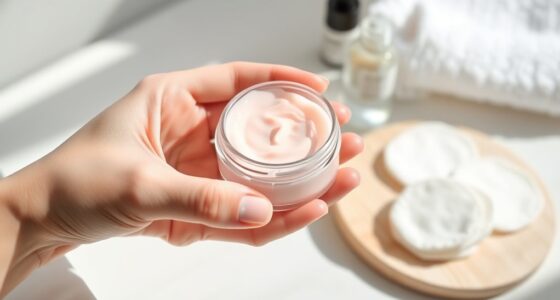
One key aspect of prenatal skincare is maintaining skin hydration. During pregnancy, hormonal changes can make your skin dry, itchy, or more prone to irritation. Properly hydrating your skin not only improves its appearance but also helps prevent common issues like stretch marks and irritation. To achieve this, you should look for products that contain safe, nourishing ingredients such as hyaluronic acid, glycerin, or ceramides. These ingredients boost skin moisture levels and strengthen the skin barrier without risking harm to your developing baby. Regularly applying a gentle moisturizer helps lock in hydration, making your skin more resilient against stretching and environmental stressors. Remember, hydration isn’t just about topical products; drinking plenty of water and eating a balanced diet rich in skin-friendly nutrients also plays a crucial role in keeping your skin healthy from the inside out. Additionally, understanding influences of hormones on skin health can help you better manage skin changes during pregnancy.
Frequently Asked Questions
Are There Any Skincare Ingredients to Avoid During Pregnancy?
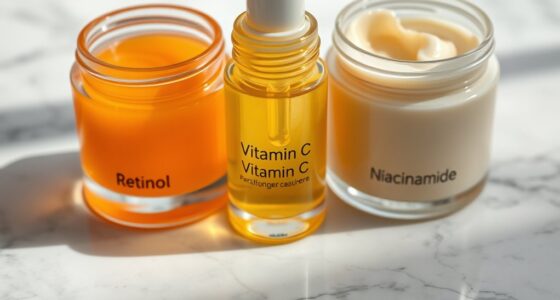
During pregnancy, you should avoid skincare ingredients like retinoids, salicylic acid, and certain hydroquinones, as they may harm your baby. Instead, opt for pregnancy-safe moisturizers to manage hormone-related skin changes. Always check labels and consult your dermatologist before trying new products. Staying cautious helps protect your skin and your baby’s health, ensuring you enjoy a safe and comfortable pregnancy.
How Can I Prevent Stretch Marks Safely?
Did you know that up to 90% of pregnant women develop stretch marks? To prevent them safely, focus on consistent, safe skincare. Keep your skin moisturized with products containing cocoa butter or vitamin E, which promote elasticity. Stay hydrated and maintain a balanced diet rich in nutrients. Avoid harsh chemicals, and gently massage your belly daily to improve circulation. These simple steps support effective stretch mark prevention during pregnancy.
Can Pregnancy Cause Permanent Skin Changes?
Pregnancy can cause some permanent skin changes due to hormonal fluctuations and increased skin pigmentation. You might notice darker patches or stretch marks that stay even after childbirth. While some changes fade over time, others, like pigmentation spots, may remain. To minimize these effects, keep your skin moisturized, wear sunscreen, and consult your healthcare provider for safe skincare options. Remember, these changes are normal and part of your body’s adaptation to pregnancy.
Is It Safe to Use Over-The-Counter Acne Treatments While Pregnant?
You should be cautious about using over-the-counter acne treatments during pregnancy because hormonal fluctuations and increased skin sensitivity can make some products unsafe. Always check with your healthcare provider before trying any new treatments, especially those containing retinoids or salicylic acid, which may pose risks. Opt for gentle, pregnancy-safe options and avoid harsh chemicals, ensuring both your health and your baby’s safety throughout your pregnancy.
What Natural Remedies Are Effective for Pregnancy-Related Skin Issues?
Did you know that up to 80% of pregnant women experience skin issues? You can try herbal remedies like aloe vera and oatmeal masks, which are gentle and effective. Dietary adjustments, such as increasing water intake and consuming vitamin-rich foods, also help soothe skin. These natural remedies provide safe, soothing relief without harmful chemicals, making your pregnancy skincare routine healthier for both you and your baby.
Conclusion
So, as you focus on glowing skin for your little one, don’t forget to care for your own. Ironically, while pregnancy often brings beauty surprises, neglecting proper skincare can turn that glow into discomfort. Remember, your skin’s health now sets the tone for both of you. Embrace gentle routines; after all, the best way to prepare for your baby’s arrival is by loving yourself a little more—skin-deep and beyond.