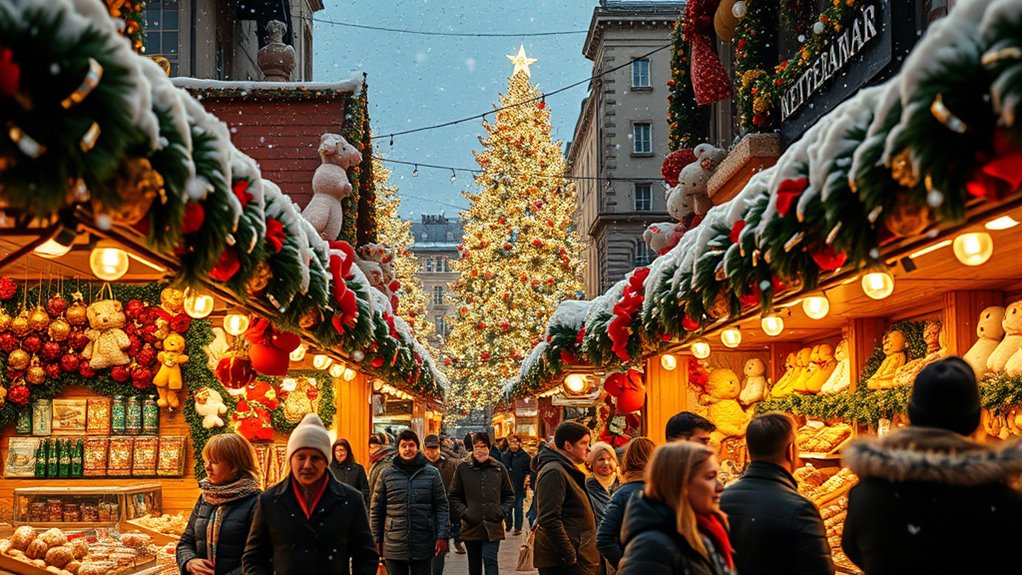

In December, prices spike because of increased demand from holiday celebrations, gift-giving, and travel. Retailers and service providers raise prices on popular items since holiday-related products often have inelastic demand—you’re willing to pay more for gifts and essentials. Seasonal demand, supply constraints, and higher costs also contribute to the price hikes. If you want to understand how businesses capitalize on this surge and how it affects the economy, there’s more to explore.
Key Takeaways
- Increased holiday demand for gifts, travel, and festivities drives up consumer spending and prices in December.
- Retailers raise prices for inelastic holiday products, maximizing profits during peak shopping season.
- Seasonal supply constraints and higher production costs contribute to price increases across sectors.
- Promotions and discounts target elastic goods, while essential holiday items often see price hikes due to inelastic demand.
- Overall economic activity and consumer willingness to pay more during holidays lead to widespread price spikes.
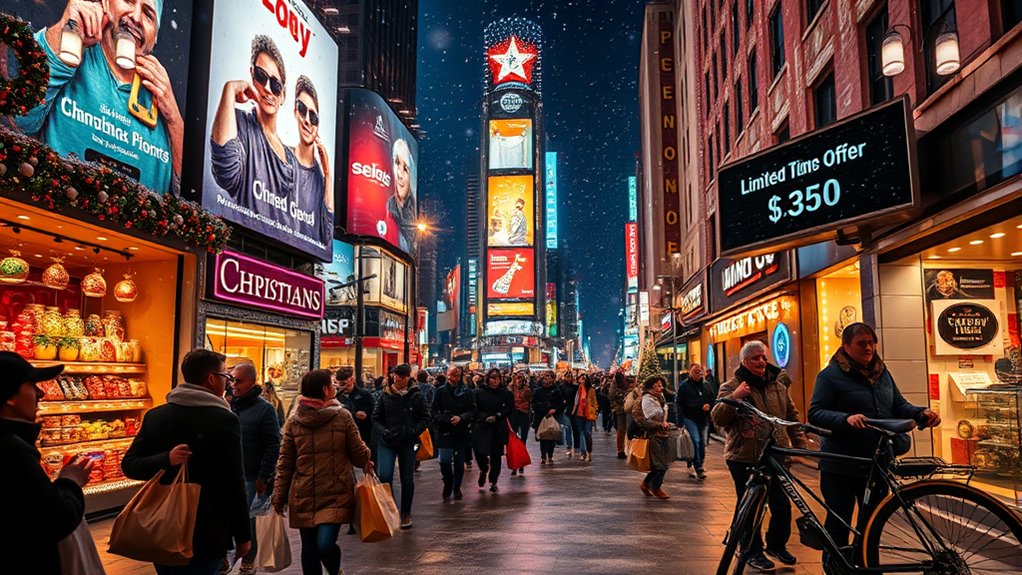
Have you ever wondered how holidays influence the economy? During December, businesses see a surge in sales, and prices tend to spike across a wide range of products and services. This increase is largely driven by seasonal demand, which refers to the predictable rise in consumer activity tied to holiday festivities. As people prepare for celebrations, gift-giving, and travel, the demand for certain goods and services skyrockets. Retailers and service providers recognize this pattern and often adjust their prices accordingly to maximize profits. But how exactly does this seasonal demand interact with the concept of price elasticity? Well, price elasticity measures how sensitive consumers are to price changes. When demand is highly elastic, even a small price increase can lead to a significant drop in sales. Conversely, if demand is inelastic, consumers will continue to buy almost as much despite higher prices. During the holidays, many essential or highly desired items tend to have inelastic demand — people are willing to pay more because they see these purchases as necessary or emotionally significant. For example, people might still buy holiday gifts or travel tickets despite price increases because these are tied to important traditions and social expectations. Retailers leverage this understanding, knowing that consumers are less responsive to price hikes for certain holiday-specific products. This allows them to raise prices without losing many customers, leading to increased revenue during this season. On the other hand, for non-essential items or less popular products, demand may be more elastic, which means price increases could cause a noticeable drop in sales. That’s why you often see discounts on non-holiday goods or early-bird promotions to stimulate demand before the peak season. The interplay between seasonal demand and price elasticity is pivotal to understanding why prices tend to spike in December. Businesses analyze consumer behavior patterns to set prices strategically, balancing the desire to maximize profits with the risk of losing customers. Additionally, supply constraints during this period, like limited inventory or increased production costs, can further drive prices up. Moreover, the inelastic demand for holiday essentials allows companies to capitalize on consumers’ willingness to pay more. The bottom line is that holiday-driven seasonal demand creates a unique economic environment where companies exploit the inelastic nature of certain products, leading to higher prices. As a consumer, you might notice this trend in everything from holiday travel to festive foods, but understanding the underlying economics can make you more aware of how prices are set and why they rise during this special time of year.
Frequently Asked Questions
How Do Holiday Price Spikes Impact Low-Income Families?
You feel the impact of holiday price spikes when shopping, especially if you’re from a low-income family. These increased costs make holiday affordability more difficult, forcing you to cut back on gifts or celebrations. The economic inequality becomes more apparent as those with fewer resources struggle to enjoy the season. Higher prices during December widen the gap, making it harder for low-income families to participate fully in holiday traditions.
Are Holiday Price Increases Driven More by Demand or Supply Constraints?
You might think holiday price spikes are all about demand, but it’s really a mix of market demand and supply limitations. Ironically, when everyone rushes to buy gifts and travel, demand soars, yet supply struggles to keep up. This imbalance pushes prices higher. So, it’s not just consumers craving more, but supply chains also faltering, making the season’s prices spike more from constrained supply than from demand alone.
Do Businesses Intentionally Raise Prices During the Holiday Season?
Yes, businesses intentionally raise prices during the holiday season as part of their pricing strategies. They leverage seasonal marketing to capitalize on increased demand, knowing consumers are willing to spend more. By adjusting prices, they boost profits while creating a sense of urgency. This strategic move helps them maximize sales during peak shopping periods, making the most of holiday-related consumer behavior and festive buying patterns.
How Do Holiday Price Fluctuations Affect Long-Term Consumer Behavior?
You might start to see holiday price fluctuations influence your buying habits over time. As you hunt for holiday savings, you could become more strategic and less impulsive, leading to better deals and increased consumer loyalty. Consistently noticing price spikes or discounts encourages you to plan ahead, shaping your long-term behavior. This awareness helps you maximize savings and fosters trust in brands that offer fair prices during the holiday season.
What Role Do Seasonal Workers Play in Holiday Price Changes?
Seasonal workers notably impact holiday price changes through seasonal employment and wage fluctuations. You might notice prices rise because businesses hire extra staff for peak season, increasing labor costs. These wage fluctuations, along with higher demand, lead retailers to pass costs onto consumers. As a result, your shopping bills could inflate during holidays, reflecting the increased labor expenses and short-term staffing needs driven by seasonal employment.
Conclusion
As you gear up for the holiday season, remember that prices spike like a mountain climber’s ascent—driven by supply and demand. Understanding this dance helps you plan smarter, avoiding unnecessary stress and overspending. Just as a skilled sailor reads the wind, you can navigate holiday costs with awareness and strategy. Embrace this knowledge, and you’ll find yourself sailing smoothly through December’s economic turbulence, turning holiday cheer into a truly joyful experience.