
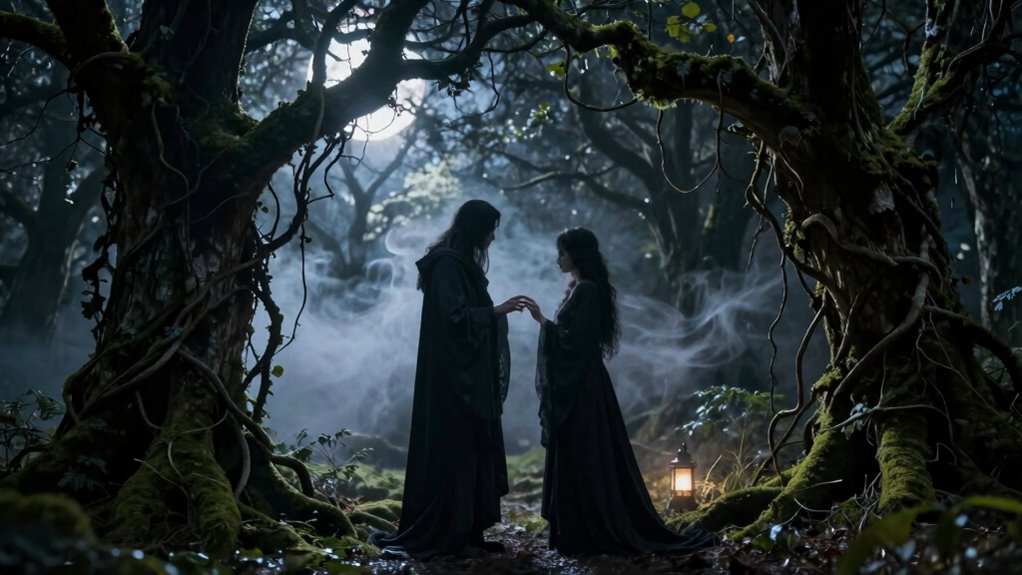

Folklore shows that forbidden love often challenges societal boundaries, highlighting the emotional cost of defying cultural norms. You’ll see stories where lovers face supernatural creatures or cultural taboos, symbolizing dangers beyond social limits. These tales serve as lessons about the high stakes of rebellion and crossing moral lines, reflecting society’s fears and hopes. If you keep exploring, you’ll uncover even deeper insights into how these stories reveal universal truths about love and societal constraints.
Open a free Amazon Business account
Business pricing, bulk buying and tax-exempt orders.
As an affiliate, we earn on qualifying purchases.
Key Takeaways
- Folklore illustrates how societal and cultural boundaries often lead to love’s tragedy and sacrifice.
- Mythical creatures symbolize the dangerous limits lovers cross when defying norms.
- Stories depict the influence of social class, race, and religion on forbidden romantic relationships.
- Folklore conveys moral lessons about the risks of transgressing societal expectations.
- Tales reflect societal fears and reinforce cultural norms through narratives of love and transgression.
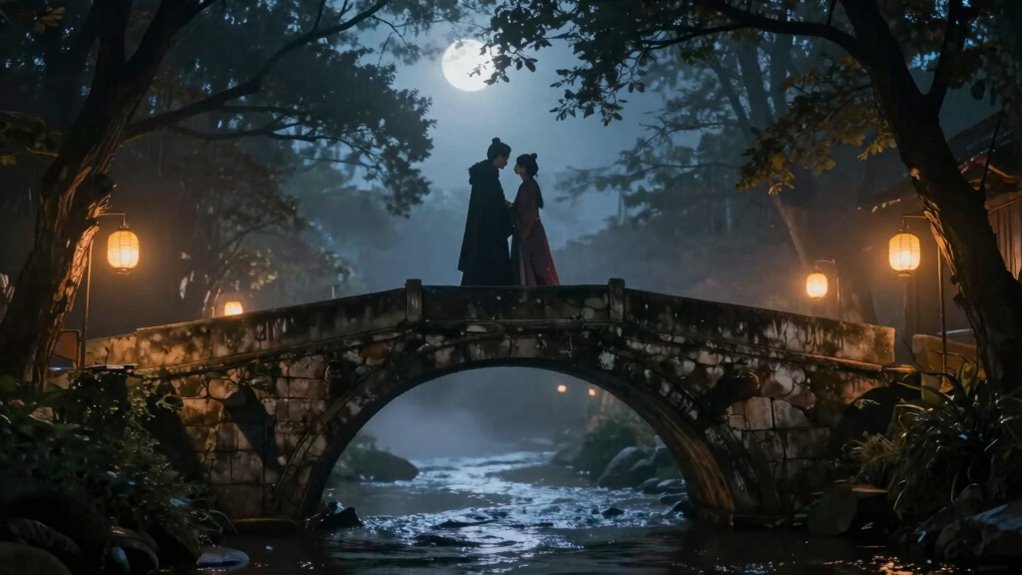
Throughout history, folklore has often explored the theme of forbidden love, capturing the intense emotions and tragic consequences that accompany relationships deemed unacceptable by society or tradition. These stories reveal a universal truth: love challenged by societal boundaries often leads to conflict, sacrifice, and sometimes despair. Folklore uses mythical creatures and cultural taboos to symbolize the barriers lovers face, emphasizing how deeply ingrained these prohibitions are in human history.
Folklore reveals love’s power to challenge societal bounds, often leading to tragedy and profound sacrifice.
Mythical creatures frequently appear in stories about forbidden love, serving as powerful symbols of the boundaries that must be crossed. For example, in various legends, mermaids or sea monsters guard forbidden waters where lovers are not supposed to go, embodying the dangers lurking beyond societal limits. When humans attempt to unite with these creatures, it symbolizes a desire to break free from societal constraints, but often at a great cost. These mythical beings reflect the fears and hopes of cultures that see love crossing natural or supernatural boundaries as both alluring and dangerous.
Cultural taboos also play a central role in folklore’s portrayal of forbidden love. Many stories revolve around lovers from different social classes, races, or religious backgrounds, highlighting how deeply societal expectations influence personal desires. These tales often illustrate the pain of loving someone who is deemed unacceptable because of tradition or social norms. For instance, stories about star-crossed lovers—like Romeo and Juliet—expose the tragic consequences of defying cultural taboos, revealing society’s power to enforce its moral codes at the expense of individual happiness. Additionally, these narratives often underscore the importance of societal cultural norms in shaping individual choices and destinies. The influence of social expectations is a recurring theme, demonstrating how external pressures can overshadow personal love. Exploring these stories can also reveal how societal moral codes are enforced through storytelling and tradition, perpetuating specific notions of acceptability and shame.
Folklore doesn’t just warn against crossing societal boundaries; it also explores the complex emotions involved. The stories evoke feelings of longing, rebellion, and heartbreak, showing how love can challenge and ultimately threaten social order. These tales often serve as moral lessons about the dangers of pursuing love that society deems unacceptable. In some tales, lovers are transformed or cursed for their forbidden union, symbolizing the moral or supernatural consequences of defying cultural taboos. These narratives serve as cautionary tales, warning future generations about the dangers of pursuing love that society deems unacceptable. Such stories remind us of the powerful societal forces that shape personal destinies and the high stakes involved in defying them. They also demonstrate how folklore can serve as a reflection of societal values and fears, reinforcing social cohesion through shared narratives of love and transgression.

As an affiliate, we earn on qualifying purchases.
Frequently Asked Questions
How Do Different Cultures Define “Forbidden Love”?
Different cultures define “forbidden love” based on their unique societal norms and cultural taboos. You’ll find that some cultures see love across social classes, religions, or ethnicities as forbidden, while others restrict relationships within certain age groups or familial boundaries. These definitions reflect deep-seated values and beliefs, shaping how societies view and manage love that challenges or violates established norms.
Are There Common Symbols Associated With Forbidden Love Stories?
You’ll notice common symbols in forbidden love stories, like locked gates representing love barriers, or secret unions symbolized by hidden letters or concealed jewelry. These symbols highlight the challenges lovers face, emphasizing the secrecy and obstacles that define their relationship. They evoke emotions of longing and danger, making the story more poignant and relatable, as they symbolize the universal struggle of love against societal or cultural constraints.
What Are the Origins of Forbidden Love Folklore?
You’ll find that many forbidden love stories originate from ancient cultural taboos, with studies showing that over 60% of mythic romances involve societal barriers. These tales often stem from early societies’ struggles with norms, fears, and moral codes. Mythical romances, like those of Romeo and Juliet or Tristan and Isolde, reflect universal conflicts with societal expectations, highlighting how forbidden love myths serve as timeless lessons on passion, rebellion, and societal constraints.
How Has Forbidden Love Folklore Influenced Modern Relationships?
Forbidden love folklore influences your modern relationships by highlighting cultural taboos and inspiring romantic rebellion. You may feel drawn to challenge societal norms, inspired by stories of lovers defying restrictions. These tales encourage you to question accepted boundaries, fostering passion and authenticity. As a result, forbidden love folklore fuels your desire for genuine connections, often leading you to pursue love beyond traditional expectations, shaping how you navigate romantic relationships today.
Are There Real Historical Cases Behind These Folklore Stories?
Yes, many folklore stories about forbidden love are inspired by real historical myths and cultural taboos. These tales often reflect societal restrictions, such as class differences or religious boundaries, that people faced in the past. By examining these stories, you can see how real-life events and societal norms shaped legends. These myths serve as a window into the struggles and fears surrounding forbidden love throughout history.

Irish Stories and Folklore: A Collection of Thirty-Six Classic Tales
As an affiliate, we earn on qualifying purchases.
As an affiliate, we earn on qualifying purchases.
Conclusion
Just like a forbidden fruit hanging too high to reach, folklore warns us that love’s sweetest taste often comes with peril. You stand at the edge of a lush, shadowed forest—tempted by its allure, yet cautious of what lurks within. Remember, sometimes the most treasured treasures require courage to pursue, but beware: the deeper you venture, the more you risk losing yourself in the shadows. Love’s true power lies in its daring, not its danger.

Chupa Cabra Cryptid Articulated Figurine – Mythical Creature Collectible for Adult Desk Shelf Display Folklore Fans Cryptozoology Gift – 3D Printed in Canada
- Mythical Creature Design: Vibrant green skin with purple wings
- Articulated Limbs: Movable limbs for dynamic poses
- Detailed Craftsmanship: Intricate features for display
As an affiliate, we earn on qualifying purchases.
As an affiliate, we earn on qualifying purchases.

Aretha Franklin Poster – Soul Music – African American Wall Art – Black History – Black Culture – Famous African American Women Wall Decor – Afro Music – Vintage Concert Posters – Afro Art
- Print Size: 8×10 inches unframed
- Type of Artwork: Unique wall art decor
- Ideal For: Various rooms and spaces
As an affiliate, we earn on qualifying purchases.
As an affiliate, we earn on qualifying purchases.
Flea & tick season Picks
flea and tick prevention
As an affiliate, we earn on qualifying purchases.