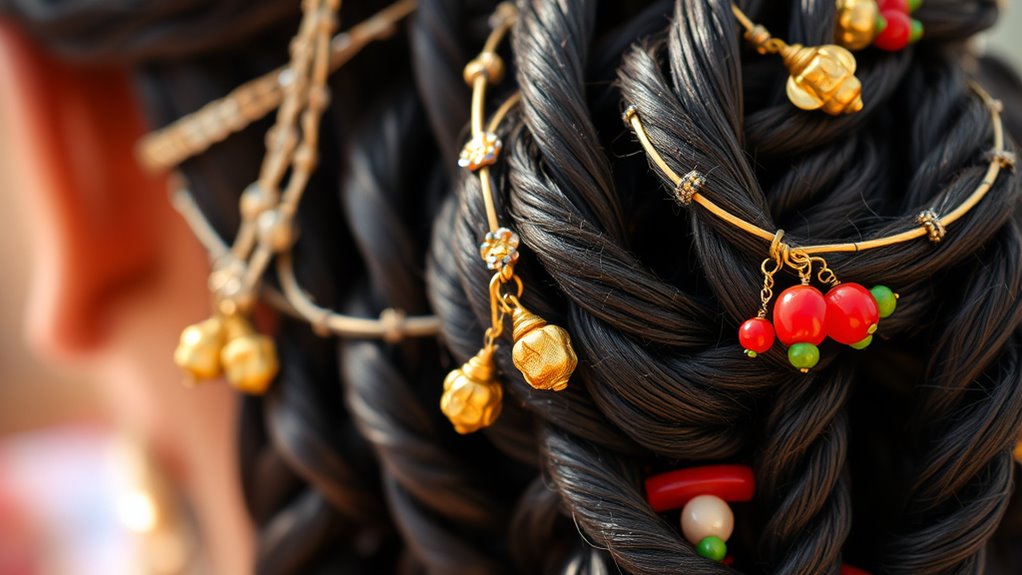

In folklore, hair is more than just strands; it’s a symbol of love, strength, and spiritual connection. Locks of hair are often given as tokens of affection, marking vows or bonds of loyalty. People also venerate hair in rituals, viewing it as a vessel of power or a link to ancestors. Exploring these stories reveals how hair continues to symbolize identity and resilience across cultures—there’s much more to uncover about its rich symbolism.

Get gifts for the two of you delivered free with Prime
- Fast, free delivery on millions of items
- Prime Video, Amazon Music and more included
- Member-only deals all year
Key Takeaways
- Locks of hair symbolize love, devotion, and connection in folklore, often exchanged or kept as tokens of vows.
- Hair veneration reflects cultural beliefs in spiritual power, with sacred hairstyles representing divine favor and identity.
- Folklore depicts hair as a symbol of strength and protection, exemplified by stories like Samson’s legendary hair.
- Cutting or preserving hair marks significant life events, such as rites of passage, vows, or mourning rituals.
- Hair is often regarded as a spiritual conduit in myths, embodying a person’s vitality, vows, or ancestral ties.
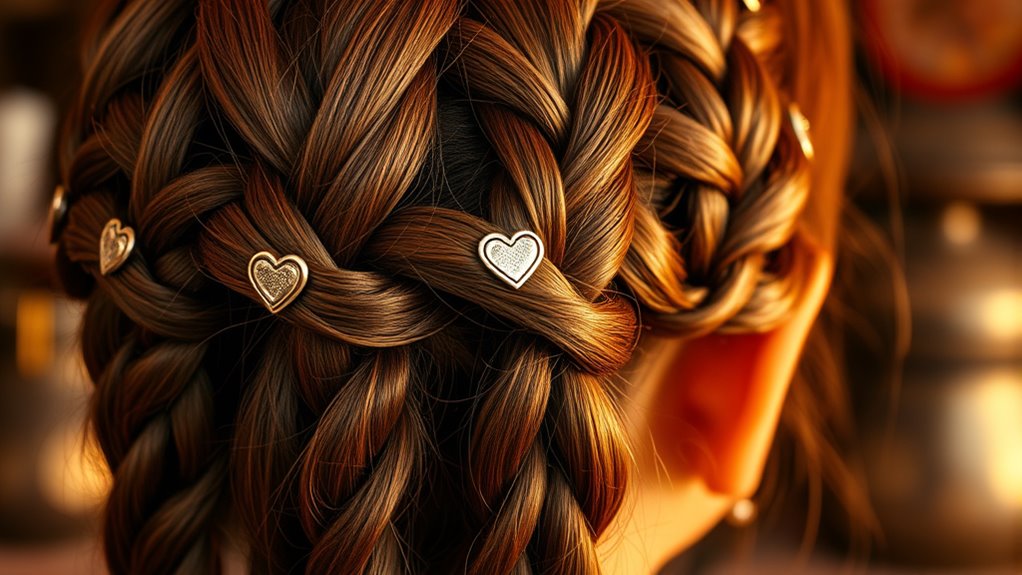
Hair has long held a special place in folklore, symbolizing everything from strength and beauty to spiritual connection and identity. Throughout history, people have attributed mythical symbolism to hair, viewing it as a powerful link between the physical and spiritual worlds. In many cultures, hair is believed to carry a person’s life force or soul, making it a sacred element in various cultural rituals. For example, cutting or removing hair often signifies a rite of passage, mourning, or renewal, reflecting deep-rooted beliefs about its spiritual significance. These rituals aren’t just about appearance; they serve as tangible expressions of belief, marking transitions in life and affirming cultural values.
Hair symbolizes strength, spiritual connection, and cultural identity through sacred rituals and myths across history.
In some traditions, hair is thought to embody strength and protection. Vikings, for instance, believed that long, flowing hair was a sign of courage and vitality, and losing it could symbolize weakness or defeat. Similarly, Native American tribes viewed hair as an extension of the self, often keeping it uncut to preserve spiritual power. These cultural rituals reinforced a community’s connection to its heritage, emphasizing respect for hair’s mythical symbolism. Such practices weren’t simply aesthetic; they embodied stories of resilience, spiritual protection, and cultural identity. When people performed these ceremonies, they reaffirmed their bonds to ancestors and traditions, passing these beliefs through generations.
Beyond individual significance, hair also plays a role in communal and ceremonial contexts. Weddings, for example, often involve special hair adornments or styling that symbolize unity, fertility, or divine blessing. In some cultures, hair is braided or decorated with symbolic objects, transforming it into a vessel of cultural identity. These rituals elevate hair from mere personal grooming to a sacred act that preserves history and collective memory. When you participate in these practices, you’re not just styling your hair—you’re engaging in an ancient dialogue that connects you to your ancestors and your community’s spiritual beliefs.
Throughout history, myths and stories have reinforced hair’s symbolic power. Folklore often depicts heroes with legendary hair, symbolizing their strength and divine favor. These stories serve as cultural rituals themselves, reminding communities of virtues like bravery, wisdom, or resilience. Whether it’s Samson’s unbreakable hair or the sacred dreadlocks of spiritual leaders, these tales underscore hair’s mythical symbolism as a source of power and identity. Modern hair care practices and grooming rituals continue to honor these cultural values, keeping this symbolic significance alive. When you understand these cultural rituals and stories, you see hair not just as a physical feature but as a rich symbol woven into the fabric of human history—a testament to its enduring significance across cultures and generations.
hair preservation and storage kit
As an affiliate, we earn on qualifying purchases.
As an affiliate, we earn on qualifying purchases.
Frequently Asked Questions
How Did Different Cultures Historically View Hair as a Spiritual Symbol?
You see, different cultures historically viewed hair as a powerful spiritual symbol. They believed hair represented strength, identity, and a connection to the divine. Hair grooming often played a role in sacred rituals, while ceremonial adornment highlighted its spiritual significance. For many, cutting or losing hair could symbolize a rite of passage, mourning, or a vow. These practices showed respect for hair’s spiritual importance across diverse societies.
Are There Specific Myths Linking Hair Color to Personality Traits?
Think of hair color myths as colorful threads woven into a tapestry of stereotypes. You might believe blondes are bubbly, brunettes serious, or redheads fiery, but these are just simple stories spun from cultural biases. While some myths link hair color to personality traits, they’re more like fairy tales than facts. Don’t let stereotypes shape how you see others; everyone’s unique beyond just the shade of their hair.
What Are the Origins of Hair-Cutting Rituals in Various Societies?
You can see that hair-cutting rituals have sacred hair and ritual significance rooted in many societies. These rituals often mark important life events like coming of age, marriage, or spiritual initiation. By cutting hair, you symbolically release past burdens, honor deities, or seek protection. These acts connect you to cultural traditions, emphasizing respect for sacred hair and its powerful role in spiritual and social identity across diverse communities.
How Has Hair Symbolism Evolved in Modern Folklore?
You see that hair symbolism now often represents personal identity and freedom in modern folklore. People interpret hair as a reflection of their individuality, strength, and emotional growth. Trends like hair donations and expressive styles show how modern interpretations embrace empowerment and self-expression. Unlike traditional beliefs, current views focus less on spiritual or societal ties and more on personal meaning, making hair a powerful symbol of self-identity in contemporary culture.
Do Ancient Traditions Link Hair to Protection or Warding off Evil?
Like a shield guarding a castle, ancient traditions often linked hair to protection and evil warding. You might have heard of long hair used as a barrier against spirits or bad luck, symbolizing a form of spiritual armor. These customs believed that hair could absorb negative energy, keeping evil at bay. So yes, many old cultures saw hair as a powerful safeguard for the body and soul.
hair veneration ritual accessories
As an affiliate, we earn on qualifying purchases.
As an affiliate, we earn on qualifying purchases.
Conclusion
As you weave through the folklore of hair, you realize it’s more than just strands—it’s a tapestry of love, vows, and reverence. Hair holds the whispers of ancestors and the promises of vows, like a silent guardian of our stories. So, next time you run your fingers through your hair, remember you’re touching a living bridge to history, a shimmering thread connecting you to generations past and hopes for those yet to come.
As an affiliate, we earn on qualifying purchases.
hair symbolism and folklore book
As an affiliate, we earn on qualifying purchases.
As an affiliate, we earn on qualifying purchases.
Fall Picks
fall essentials
As an affiliate, we earn on qualifying purchases.