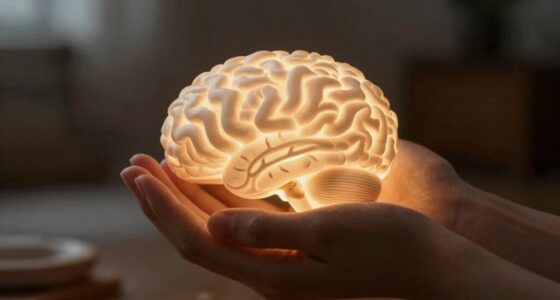
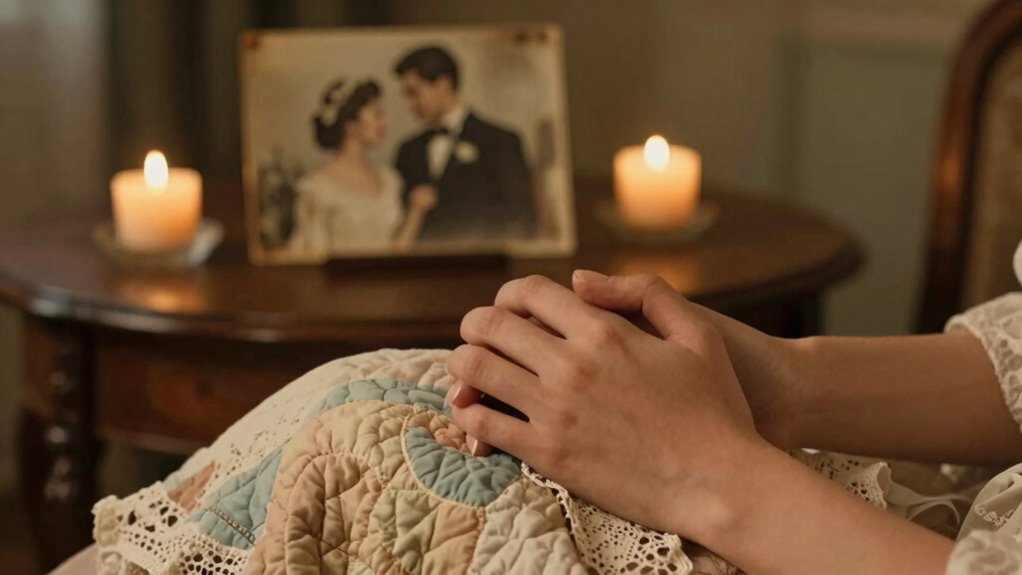

Your childhood memories shape how you form and interpret romantic attachments. The experiences you had with love, support, or neglect act as mental blueprints, influencing your trust, intimacy, and emotional responses. These memories create filters that affect how you see your partner and react during conflicts or vulnerability. Recognizing how your past impacts your present relationship can help you build healthier patterns. If you keep exploring, you’ll discover ways to strengthen your emotional bonds and foster secure, trusting connections.

Get gifts for the two of you delivered free with Prime
- Fast, free delivery on millions of items
- Prime Video, Amazon Music and more included
- Member-only deals all year
Key Takeaways
- Childhood memories shape attachment styles, influencing how individuals approach intimacy and trust in romantic relationships.
- Memories of past rejection or betrayal heighten sensitivity, affecting emotional responses and perceptions of partner behavior.
- Recognizing childhood influences helps individuals understand reactive behaviors and promotes healthier relationship patterns.
- Awareness of memory’s role in attachment fosters emotional growth, healing, and better communication with partners.
- Memories serve as foundational filters, impacting feelings of safety, security, and connection in romantic bonds.
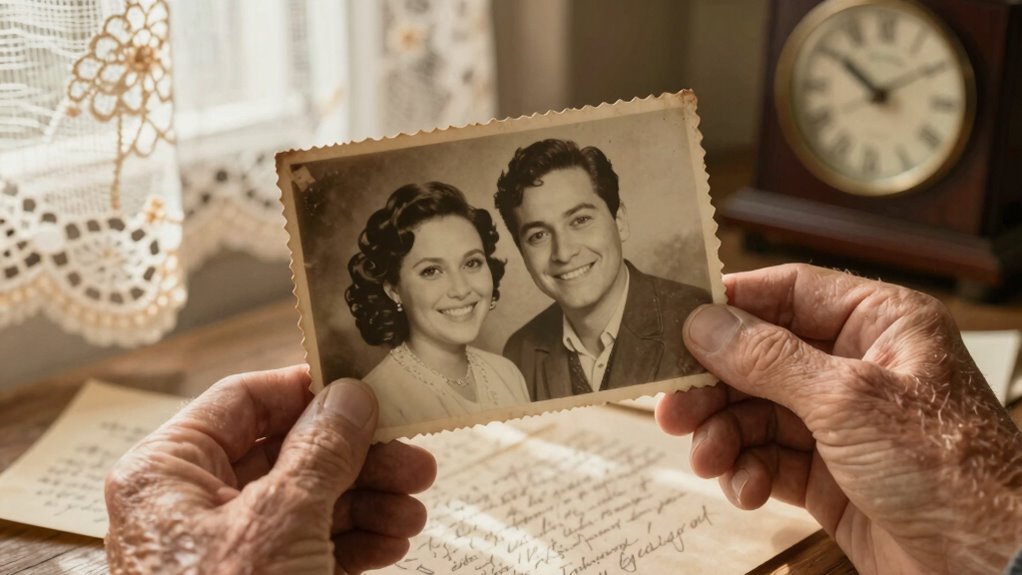
Have you ever wondered how your childhood memories shape your romantic relationships? It’s a question that digs deep into the way your past influences your present. Childhood memories leave lasting impressions on your mind, especially when it comes to attachment styles—the patterns you develop for forming close connections with others. These early experiences act like a blueprint for how you approach intimacy, trust, and emotional closeness. When you recall certain moments from childhood, they often reinforce or challenge the way you relate to your partner today.
Childhood memories shape your attachment style and influence how you connect with loved ones today.
Your attachment style—whether secure, anxious, avoidant, or disorganized—is rooted in those childhood memories. For example, if you grew up feeling consistently loved and supported, you’re more likely to develop a secure attachment style. This helps you feel comfortable with intimacy, trust others easily, and communicate your needs openly. But if your childhood was marked by neglect, inconsistency, or emotional distance, those memories might contribute to anxious or avoidant attachment styles. In such cases, you may find yourself obsessing over your partner’s actions or pulling away to protect yourself from vulnerability.
The way you remember your childhood influences how you interpret your partner’s behavior. If you associate love with reliability and safety from your childhood, you’re more inclined to trust your partner and feel secure in your relationship. Conversely, if your memories include rejection or betrayal, you might be hypersensitive to signs that your partner might leave or hurt you. These memories act like filters, coloring your perceptions and reactions. Sometimes, you may even unconsciously recreate childhood scenarios, seeking validation or reassurance that mirrors past experiences.
Memory plays a vital role in shaping attachment because it influences your emotional responses. When you remember feeling neglected or misunderstood, those feelings can resurface during conflicts or moments of vulnerability. Your brain may trigger past emotions, making it difficult to stay calm or rational. Recognizing how childhood memories influence your attachment style can help you understand why you react a certain way and open pathways for healing. Additionally, understanding the importance of early emotional experiences can guide you towards healthier relationship patterns. Developing awareness of attachment-related memories can also help you identify patterns that may be hindering your emotional growth.
Understanding the connection between childhood memories and attachment styles empowers you to take control of your relationship dynamics. By becoming aware of how your past shapes your present, you can work toward developing healthier patterns. This awareness allows you to communicate more effectively with your partner, challenge old beliefs, and foster a more secure, trusting bond. In the end, your memories aren’t just remnants of the past—they’re the foundation of your capacity for love and connection today.
attachment style therapy workbook
As an affiliate, we earn on qualifying purchases.
As an affiliate, we earn on qualifying purchases.
Frequently Asked Questions
How Do Childhood Memories Influence Adult Romantic Relationships?
Childhood memories influence your adult romantic relationships through memory formation and emotional recall. When you remember past experiences, they shape your expectations and behaviors in love. Positive memories foster trust and intimacy, while negative ones can cause fear or insecurity. You unconsciously compare current partners to these memories, affecting your attachment style. Recognizing how your childhood memories impact emotional recall helps you understand your relationship patterns and build healthier connections.
Can Positive Memories Strengthen Romantic Bonds Over Time?
Yes, positive memories can strengthen romantic bonds over time. When you recall joyful moments with your partner, it boosts emotional attachment and reinforces your connection. Memory recall plays a essential role in maintaining intimacy, as it reminds you of shared happiness and trust. This emotional reinforcement encourages you to nurture your relationship, making both partners feel valued and secure, ultimately deepening your romantic bond over time.
How Do Memory Biases Affect Perceptions of a Partner?
Memory distortions and perception biases can profoundly influence how you see your partner. You might remember their positive traits more vividly, overlooking flaws, which boosts your affection. Conversely, negative biases can make you focus on flaws, skewing your perception and possibly causing misunderstandings. These biases shape how you interpret your partner’s actions, often amplifying either the good or the bad, depending on your emotional state and memories.
What Role Does Shared Memory Play in Relationship Satisfaction?
Shared memory boosts relationship satisfaction through shared nostalgia and memory validation, making you feel more connected and appreciated. When you and your partner reminisce about meaningful moments, it reinforces your bond and fosters positive feelings. Validating each other’s memories shows respect and understanding, deepening trust. This collective sense of past experiences helps you both feel more secure and satisfied, strengthening your romantic attachment over time.
How Does Memory Reconsolidation Impact Relationship Conflicts?
Memory reconsolidation influences relationship conflicts by updating neural mechanisms involved in emotional processing. When you revisit a conflict, your brain actively rewires the emotional associations tied to that event, making it easier to reinterpret negative feelings. This process allows you to resolve misunderstandings and reduce hostility, fostering healthier communication. By understanding this, you can intentionally reshape your emotional responses, leading to more constructive conflict resolution and stronger romantic attachment.
As an affiliate, we earn on qualifying purchases.
Conclusion
You might wonder if your memories truly shape your romantic bond. Research suggests that positive memories can strengthen attachment, fostering trust and intimacy. Conversely, negative memories may create barriers, making connection difficult. It’s likely that your shared experiences, both good and bad, influence your relationship’s strength. So, by understanding and reflecting on these memories, you can better nurture your love, turning past moments into a foundation for a more secure and fulfilling future together.
emotional intelligence training course
As an affiliate, we earn on qualifying purchases.
As an affiliate, we earn on qualifying purchases.
As an affiliate, we earn on qualifying purchases.
Halloween Picks
halloween
As an affiliate, we earn on qualifying purchases.