

Technology makes some breakups harder to finish because it constantly keeps you connected to your ex through social media, messages, and notifications. This ongoing digital contact triggers hope, doubts, and longing, making it tough to fully move on. Seeing updates or posts can reignite feelings of jealousy or inadequacy, while seeking validation online extends emotional attachment. If you’re curious about how to break free from these digital ties, there’s more to discover that can help you regain control and heal.

Get gifts for the two of you delivered free with Prime
- Fast, free delivery on millions of items
- Prime Video, Amazon Music and more included
- Member-only deals all year
Key Takeaways
- Constant notifications and social media updates keep emotional bonds active, hindering true emotional detachment.
- Digital validation from online interactions prolongs feelings of attachment and delays acceptance of the breakup.
- Viewing an ex’s online activity triggers hope, jealousy, or doubt, making it harder to move on emotionally.
- Public exposure of breakups online increases vulnerability, jealousy, and comparison, complicating emotional healing.
- Active digital disconnection, such as unfollowing or blocking, is necessary but often resisted, delaying closure.
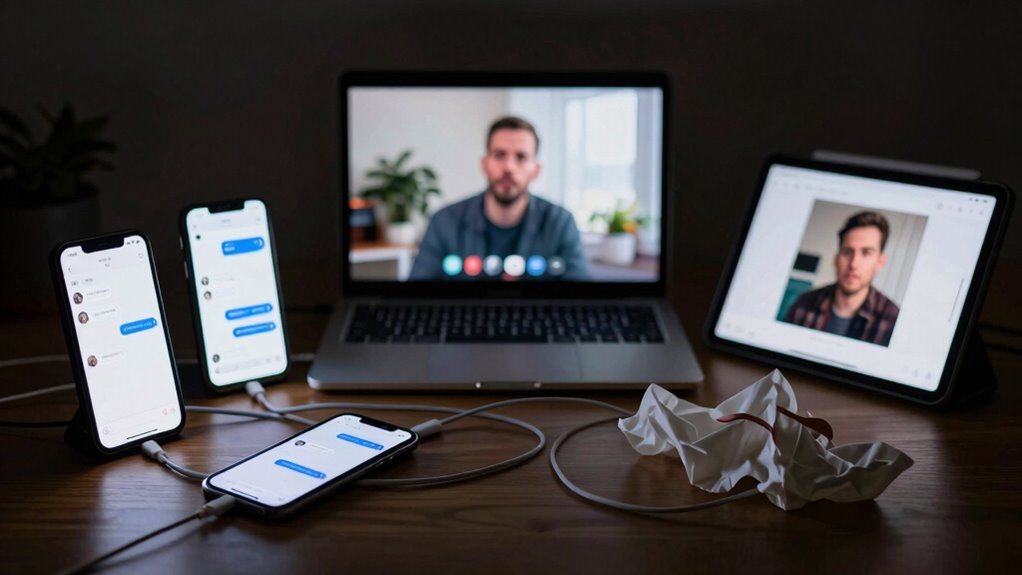
Have you ever wondered why breaking up feels so much harder in today’s digital age? It’s not just about the pain of ending a relationship; it’s also about how technology keeps you tethered to your ex longer than you’d like. Digital attachment plays a big role here. When you’re constantly connected through texts, social media, and messaging apps, it’s easy to keep checking in, even when you know the relationship is over. Every notification or new post from your ex can trigger hope, doubt, or regret, making it difficult to truly let go. These digital ties create a sense of ongoing bond that’s hard to sever, even when your heart tells you it’s time to move on. Additionally, the digital environment often blurs the boundaries between past and present, making emotional detachment more complex. The constant connectivity amplifies these challenges, making it even harder to establish healthy boundaries and move forward. Social validation is another layer that complicates breakups today. In the age of social media, your online presence becomes intertwined with your self-esteem and how others perceive you. When you’re in a relationship, you often seek validation from friends, followers, or your partner’s online interactions. After a breakup, you might find yourself scrolling through their profiles or posts, hoping for clues about their feelings or trying to gauge how others see you now. This constant pursuit of social validation keeps you emotionally invested, making it harder to accept that the relationship is truly over. Recognizing the role of Digital attachment in prolonging emotional ties can help you understand why it’s so difficult to move on. Sometimes, the fear of missing out on updates or interactions with your ex can make it even more tempting to stay connected, prolonging emotional pain. Instead of focusing on your healing, you might get caught up in the validation cycle, craving reassurance from your digital community that you’re still valued or attractive. The public nature of social media further complicates things, as the digital environment exposes your breakup to a wider audience, amplifying feelings of vulnerability. Seeing these updates can reignite feelings of jealousy or inadequacy, prolonging your emotional struggle. It’s as if the digital world constantly reminds you of what you’ve lost, making it harder to find closure. You might also feel tempted to compare yourself to your ex’s new partners or to seek closure through online interactions, which often only complicate your feelings further. In this digital landscape, breaking free requires more effort. You need to actively disconnect—block or unfollow your ex, resist the urge to check their pages—and remind yourself that social validation from online sources isn’t a true measure of your worth. Recognizing how digital attachment and social validation keep you emotionally entangled can help you take the steps needed to heal, even when technology makes it seem impossible to fully move on.
Products Worth Considering

Hyperice Normatec Elite Wireless Compression Boots Recovery – Standard Size

Hyperice Hypervolt Go 3 Percussion Massage Gun with Carry Case

Withings Sleep Under-Mattress Sleep Tracking Pad
As an affiliate, we earn on qualifying purchases.
Frequently Asked Questions
Can Deleting Social Media Profiles Fully Erase Digital Memories of the Relationship?
Deleting your social media profiles doesn’t fully erase your digital footprints or online remnants of the relationship. Even after you remove your accounts, some images, messages, or comments might still exist elsewhere, stored in backups or shared by others. These digital traces can resurface unexpectedly, making it difficult to completely wipe away memories online. So, while deletion helps, it doesn’t guarantee a total erasure of all digital memories of your relationship.
How Does Technology Influence Emotional Attachment After a Breakup?
Imagine your phone as a tangled web of emotional dependency, holding onto remnants of your past relationship. Technology keeps digital nostalgia alive, making it harder to let go. Notifications, photos, and messages act like ghostly echoes, rekindling feelings and delaying emotional closure. You might think deleting profiles clears the past, but tech’s persistent presence often sustains attachment, making it difficult to fully move on and find peace after a breakup.
Are There Apps Designed to Help People Move on From Past Relationships?
Yes, there are apps designed to help you move on from past relationships. These apps often address digital nostalgia by offering features like curated playlists or journaling prompts, helping you process your feelings. They also minimize online reminders of your ex, reducing triggers and making it easier to heal. By focusing on your well-being, these tools support you in letting go and creating a fresh start after a breakup.
Does Constant Connectivity Hinder the Process of Emotional Detachment?
Digital dependency acts like an anchor, making emotional detachments feel like trying to swim through molasses. Constant connectivity feeds emotional clinginess, keeping you tethered to memories and unfinished feelings. You might find yourself checking their profile or messaging, even when you know it’s time to let go. This relentless digital loop makes it harder to truly move on, trapping your heart in a web of past moments and lingering hope.
What Privacy Concerns Arise When Ending a Relationship Online?
When ending a relationship online, privacy concerns like digital footprints and privacy breaches come up. You might accidentally leave a trail of messages, images, or shared content that your ex can access later. There’s also a risk that sensitive information could be leaked or misused if privacy settings aren’t strict. These issues make it harder to fully move on, as your personal boundaries could be compromised even after the breakup.
Conclusion
So, next time you’re struggling to move on from a breakup, remember that technology keeps your ex just a tap away, making closure tougher. Studies show that 70% of people find it harder to forget their ex when they stay connected online. While it’s natural to crave closure, limiting digital contact can help you heal faster. Ultimately, giving yourself space and time is the best way to move forward and find peace beyond the digital maze.