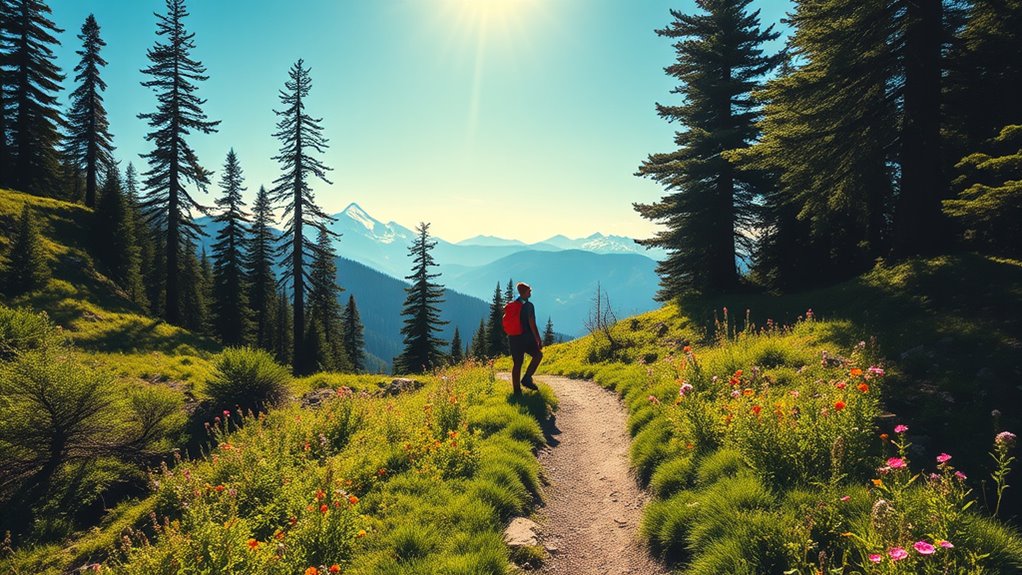

Travel is great for your mental health because it exposes you to new cultures, ideas, and environments that broaden your perspective and boost your curiosity. It can reduce stress by helping you step away from daily worries and natural settings that promote relaxation. Engaging with different people and experiences also enhances your social connections and emotional resilience. If you want to discover more ways travel benefits your mind, keep exploring how these adventures can transform your well-being.
Key Takeaways
- Traveling exposes you to new cultures and environments, broadening perspectives and fostering empathy.
- Exploring fresh places boosts mood and activates pleasure-related neural pathways.
- Taking breaks from routine reduces stress and promotes mental relaxation.
- Engaging with diverse sensory experiences enhances mindfulness and present-moment awareness.
- Social interactions during travel strengthen connections and support emotional resilience.

Travel can have a profound impact on your mental health, offering both opportunities for relaxation and challenges that may increase stress. One of the most enriching aspects of travel is cultural exposure. When you immerse yourself in new environments, you encounter different customs, languages, and perspectives that broaden your understanding of the world. This exposure stimulates your brain, encourages curiosity, and helps you break free from daily routines that might feel monotonous or limiting. Engaging with diverse cultures also fosters empathy, allowing you to see things from others’ viewpoints, which can improve your overall emotional resilience.
Immersing in new cultures broadens perspectives, fosters empathy, and enhances emotional resilience through stimulating curiosity and breaking routine.
As you explore unfamiliar places, you may find that your mood improves simply by changing your surroundings. The novelty of new experiences activates neural pathways associated with pleasure and reward, boosting your mental well-being. Additionally, cultural exposure often involves trying new foods, participating in local traditions, or learning new skills, which can give you a sense of accomplishment and purpose. These positive interactions and discoveries can help combat feelings of loneliness or depression, making you feel more connected to the world around you.
Travel also serves as a powerful tool for stress reduction. When you step away from your daily responsibilities and routine, your mind gets a chance to reset. The act of planning a trip, exploring new destinations, and engaging with different cultures shifts your focus away from worries and negative thoughts. This mental distraction can alleviate anxiety and help you return home with a fresh perspective. Furthermore, being in natural settings, like beaches, mountains, or parks, can considerably lower stress hormone levels and promote relaxation. The combination of scenic beauty and the absence of daily pressures creates an environment conducive to mental clarity and calm.
Additionally, travel encourages mindfulness. As you navigate new environments, you become more present, paying attention to sensory details, sounds, and sights that you might overlook in your usual routine. This heightened awareness can reduce rumination and foster a peaceful state of mind. Engaging with different cultures often involves social interactions, which can enhance your sense of belonging and reduce feelings of isolation. Sharing experiences with fellow travelers or locals can build meaningful connections that support your emotional health. Incorporating cultural experiences into your travels can further enrich your mental well-being by fostering personal growth and new perspectives.
Frequently Asked Questions
How Does Travel Improve Mental Resilience?
Travel improves your mental resilience by pushing you out of your comfort zone, exposing you to diverse cultures and new experiences. This cultural exposure helps you adapt to unfamiliar situations, boosting your confidence. Sensory stimulation from different environments sharpens your mind and enhances problem-solving skills. As you navigate challenges abroad, you build emotional strength and flexibility, making it easier to handle stress and setbacks back home.
Can Travel Help Reduce Symptoms of Anxiety and Depression?
Travel can help reduce symptoms of anxiety and depression by offering cultural immersion, which boosts your mood and provides fresh perspectives. Facing language barriers challenges you to adapt, building resilience and confidence. Engaging with new environments distracts your mind from negative thoughts and fosters social connections. These experiences promote emotional healing, making you feel more empowered and optimistic, ultimately improving your mental health during and after your journeys.
What Are the Best Travel Activities for Mental Health?
You should try engaging in local cultural experiences and outdoor adventures, as they boost your mental health. Exploring new traditions, tasting authentic foods, or attending festivals can lift your spirits and broaden your perspective. Outdoor activities like hiking, biking, or simply walking in nature help reduce stress and improve mood. These activities keep your mind active and grounded, making your travel experience more fulfilling and beneficial for your mental well-being.
How Often Should One Travel for Mental Health Benefits?
Ever wonder how often you should travel for mental health benefits? Ideally, aim for a trip every 3 to 6 months. Regular travel planning allows you to experience cultural immersion and break your routine, boosting your mood and reducing stress. Consistent escapes help maintain mental clarity, so make time for adventures that refresh and rejuvenate you. Don’t wait too long—your well-being benefits from frequent, enriching getaways.
Are There Any Risks to Mental Health While Traveling?
Yes, there are risks to your mental health while traveling. You might face language barriers that cause frustration or feelings of isolation. Travel fatigue can also overwhelm you, leading to stress or burnout. To minimize these risks, plan ahead, learn basic phrases in the local language, and take regular breaks. Staying connected with loved ones and practicing self-care helps you manage these challenges and enjoy the mental health benefits of travel.
Conclusion
Travel boosts your mood, broadens your perspective, and refreshes your mind. It helps you escape stress, embrace new experiences, and reconnect with yourself. By stepping outside your routine, you nurture your mental health and ignite your sense of wonder. So, make travel a priority—explore new places, meet new people, and create new memories. Because when you travel, you not only see the world, but you also heal, grow, and thrive.