

The best relationship communication tools for couples fall into two camps: structured workbooks that teach conflict-resolution skills, and conversation card decks that make daily connection easier. My top overall pick is the 8-Week Couples Therapy Workbook, because its guided weekly program delivers the most complete skill-building framework without requiring a therapist. For couples who want something lighter, Let’s Get Deep by Relatable stands out as the most fun and low-pressure entry point, while the CBT Couples Toolbox offers the deepest library of practical exercises for couples dealing with recurring conflict. The main tradeoff in this category is depth versus accessibility — workbooks build lasting skills but demand commitment, while card games feel effortless but work on connection more than conflict resolution. Keep reading for the full breakdown of all 15 tools.
Key Takeaways
- Workbooks dominated the top spots because they teach transferable skills, but they only work if both partners commit — card decks won the accessibility test for reluctant partners.
- The 8-Week Couples Therapy Workbook earned best overall for balancing structure, evidence-based exercises, and a realistic time commitment; the CBT Couples Toolbox came close but demands more from readers already in distress.
- Time-gated programs like the 20 Minutes a Day for 12 Days workbook outperform open-ended books because deadlines create accountability — the single biggest failure point for couples who buy these tools and never finish them.
- Card decks split sharply by purpose: Prompta 600 and Let’s Get Deep build everyday connection, while the Healing Edition deck is the only card product aimed at repairing strained relationships rather than maintaining good ones.
- Books focused on scripts and phrases (Communicate Your Feelings Without Starting a Fight, Communication Miracles) are best for couples whose main problem is what gets said during arguments, not a lack of connection.
- Premium pick: The Complete Communication Handbook delivers 52 strategies for couples wanting a long-term reference, but its length makes it a poor first step for beginners.
| 8-Week Couples Therapy Workbook: Essential Strategies to Connect, Improve Communication, and Strengthen Your Relationship |  | Best Structured Program | Format: Spiral-bound workbook | Program Length: 8 weeks | Focus: Communication, connection, relationship strengthening | VIEW LATEST PRICE | See Our Full Breakdown |
| Reconnect: A Marriage Counseling Workbook |  | Best for Long-Term Marriages | Format: Paperback workbook | Structure: Guided conversations and exercises, self-paced | Focus: Communication, understanding, long-term relationship growth | VIEW LATEST PRICE | See Our Full Breakdown |
| The CBT Couples Toolbox: Over 45 Exercises to Improve Communication, Navigate Problems and Build Strong Relationships | 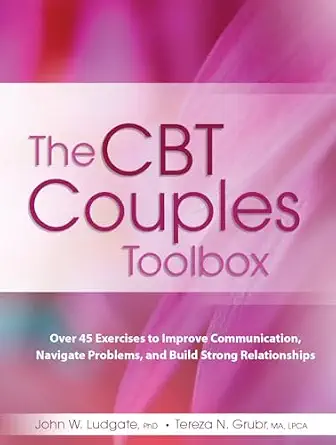 | Best Therapy-Backed Methods | Format: Paperback book | Number of Exercises: 45+ | Methodology: Cognitive-behavioral therapy (CBT) | VIEW LATEST PRICE | See Our Full Breakdown |
| Couples Communication Workbook: 20 Minutes a Day for 12 Days to Improve Listening, Resolve Conflicts, and Strengthen Your Relationship |  | Best for Busy Couples | Format: Workbook | Program Length: 12 days | Daily Time Commitment: 20 minutes | VIEW LATEST PRICE | See Our Full Breakdown |
| Let’s Get Deep: A Question Card Game for Couples by Relatable |  | Best Low-Pressure Option | Format: Card game | Number of Players: 2 or more | Intended Audience: Adults 17+ | VIEW LATEST PRICE | See Our Full Breakdown |
| The Complete Communication Handbook for Couples: 52 Proven Strategies to Deepen Connection, Resolve Conflicts, and Build a Healthy Relationship |  | Best Week-by-Week Strategy Guide | Format: Paperback / digital relationship handbook | Core Content: 52 communication strategies | Suggested Pace: One strategy per week | VIEW LATEST PRICE | See Our Full Breakdown |
| The Couples Communication Handbook: Your Roadmap to Stronger, Healthier Communication and Deeper Connection |  | Best Beginner-Friendly Primer | Format: Paperback / digital handbook | Structure: Roadmap-style chapters | Core Content: Communication strategies and connection insights | VIEW LATEST PRICE | See Our Full Breakdown |
| Communication Skills for Couples: Guide to Improve Communications, Resolve Conflict, Deepen Intimacy, Strengthen Marriage and Create a Healthy Relationship |  | Best for Marriage-Focused Couples | Format: Paperback guide | Core Content: Communication, conflict resolution, intimacy | Focus: Marriage and long-term partnership | VIEW LATEST PRICE | See Our Full Breakdown |
| Love More, Fight Less: Communication Skills Every Couple Needs | 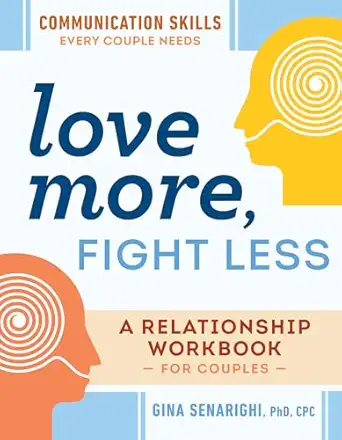 | Best Interactive Workbook | Format: Relationship workbook | Core Content: Communication exercises and conflict-reduction skills | Interactivity: High — couple-based exercises throughout | VIEW LATEST PRICE | See Our Full Breakdown |
| Long Term Couples Edition – 199 Meaningful Conversation Cards for Couples |  | Best Conversation Starter Deck | Format: Conversation card deck | Number of Cards: 199 | Suitable For: Long-term couples, married couples, partners | VIEW LATEST PRICE | See Our Full Breakdown |
| Healing Edition – 199 Question Cards to Heal Strained Relationships |  | Best for Repairing a Strained Relationship | Brand: {THE AND} | Model Name: {THE AND} Healing Edition | Number of Cards: 199 | VIEW LATEST PRICE | See Our Full Breakdown |
| Relationship Workbook for Couples: 8-Week Program and Proven Strategies |  | Best Structured Self-Guided Program | Format: Workbook | Program Length: 8 weeks | Focus Areas: Trust, conflict resolution, communication, intimacy | VIEW LATEST PRICE | See Our Full Breakdown |
| Communicate Your Feelings (Without Starting a Fight) |  | Best for Breaking the Fight Cycle | Format: Book | Focus: Expressing feelings without conflict | Content Type: Practical communication strategies and phrasing guidance | VIEW LATEST PRICE | See Our Full Breakdown |
| Communication Miracles for Couples |  | Best Low-Effort Starting Point | Format: Book | Focus: Easy communication tools for more love, less conflict | Content Type: Practical, easy-to-use techniques | VIEW LATEST PRICE | See Our Full Breakdown |
| Prompta 600 Conversation Cards for Couples |  | Best Value for Everyday Connection | Number of Cards: 600 | Card Size: 2.5″ x 1.75″ | Double-Sided: Yes | VIEW LATEST PRICE | See Our Full Breakdown |
| relationship communication tools for couple | Format |
|---|---|
| 8-Week Couples Therapy Workboo | Spiral-bound workbook |
| Reconnect: A Marriage Counseli | Paperback workbook |
| The CBT Couples Toolbox: Over | Paperback book |
| Couples Communication Workbook | Workbook |
| Let’s Get Deep: A Question Car | Card game |
| The Complete Communication Han | Paperback / digital relationship handbook |
| The Couples Communication Hand | Paperback / digital handbook |
| Communication Skills for Coupl | Paperback guide |
| Love More | Relationship workbook |
| Long Term Couples Edition | Conversation card deck |
| Healing Edition | — |
| Relationship Workbook for Coup | Workbook |
| Communicate Your Feelings | Book |
| Communication Miracles for Cou | Book |
| Prompta 600 Conversation Cards | — |
More Details on Our Top Picks
8-Week Couples Therapy Workbook: Essential Strategies to Connect, Improve Communication, and Strengthen Your Relationship
Among the workbook-style picks, this one stands out for its clear eight-week arc, which gives couples a beginning, middle, and end rather than an open-ended pile of exercises. The spiral binding is a small detail that matters more than it sounds — you can lay it flat and actually write in it during a conversation, unlike traditionally bound options like Reconnect. Compared with The CBT Couples Toolbox, which organizes content by therapeutic technique, this model follows a week-by-week progression that suits partners who want a guided curriculum rather than a reference manual. The tradeoff is commitment: two months of consistent effort is a real ask, and couples in crisis may find the pace too slow to feel relief early on.
Pros:- Week-by-week structure creates accountability and momentum
- Spiral binding makes it genuinely usable during exercises
- Balances communication skills with emotional intimacy work
- Deep enough to feel like real therapy homework, not filler prompts
Cons:- Demands sustained effort across two full months
- Thin author credibility info compared with publisher-backed therapy titles
Best for: Self-directed couples who want a therapist-style curriculum with a defined timeline and homework structure
Not ideal for: Couples seeking quick conflict de-escalation — the eight-week format delays immediate payoff
- Format:Spiral-bound workbook
- Program Length:8 weeks
- Focus:Communication, connection, relationship strengthening
- Exercise Type:Weekly structured exercises and reflection prompts
- Writing Style:Fill-in and guided written activities
- Best Setting:At-home self-directed couples work
Our verdict“This is the pick for couples ready to treat relationship work like a real course rather than a casual hobby.”
Reconnect: A Marriage Counseling Workbook
Where the 8-Week Couples Therapy Workbook imposes a schedule, Reconnect takes a gentler approach built around guided conversations — making it a better fit for long-married partners who bristle at homework but will talk if given the right prompt. The framing as a marriage counseling companion positions it for couples who want counseling-adjacent work at home, or a supplement between sessions. Compared with the Couples Communication Workbook‘s twelve-day sprint, this option favors depth over deadline, letting pairs move at their own pace through relationship history and shared understanding. The drawback is vagueness: the loose structure that makes it approachable also means less accountability, and couples who procrastinate may never finish it.
Pros:- Conversation-first format lowers the barrier for homework-averse partners
- Designed specifically for long-term, committed relationships
- Works well alongside actual marriage counseling
- Pace is self-directed, so couples can linger where it matters
Cons:- Less structure than scheduled programs like the 8-Week Workbook
- Sparse public detail on content makes it a bit of a leap of faith
Best for: Long-married couples who prefer conversation-driven exercises over rigid homework schedules
Not ideal for: Couples who need external structure and deadlines — the flexible format makes it easy to abandon
- Format:Paperback workbook
- Structure:Guided conversations and exercises, self-paced
- Focus:Communication, understanding, long-term relationship growth
- Target Relationship Stage:Established marriages and long-term partnerships
- Exercise Type:Discussion prompts and paired activities
- Best Setting:At-home or as a counseling supplement
Our verdict“A sensible choice for established marriages that need prompts to talk, not another curriculum to complete.”
The CBT Couples Toolbox: Over 45 Exercises to Improve Communication, Navigate Problems and Build Strong Relationships
This is the most clinically grounded entry in the batch, building its 45+ exercises on cognitive-behavioral therapy principles rather than general relationship advice. For couples who want to understand why they fight — the thought patterns underneath the conflict — this option makes more sense than prompt-based tools like Let’s Get Deep, which surfaces feelings but doesn’t teach mechanisms for changing them. The toolbox organization also differs from the 8-Week Couples Therapy Workbook: instead of a fixed sequence, you pull the exercise that fits your current problem, which is stronger for targeted issues like recurring arguments. The tradeoff is that CBT language can feel clinical and homework-like, and a skeptical or conflict-averse partner may resist a book that reads like a therapist’s manual.
Pros:- Grounded in established CBT methodology rather than pop-psychology platitudes
- Modular exercises can be matched to specific problems as they arise
- 45+ tools provide long-term value beyond one read-through
- Teaches transferable skills for identifying destructive thought patterns
Cons:- Denser and more clinical than casual workbooks or card games
- No guided sequence, so self-directed pairs must design their own plan
Best for: Analytical couples who want evidence-based techniques they can apply to specific recurring conflicts
Not ideal for: Couples wanting a light, fun entry point — the clinical tone can feel like being assigned therapy reading
- Format:Paperback book
- Number of Exercises:45+
- Methodology:Cognitive-behavioral therapy (CBT)
- Focus:Communication, problem navigation, relationship building
- Structure:Modular toolbox — exercises selected by need
- Best Setting:Targeted work on specific recurring conflicts
Our verdict“The right pick for couples who want real therapeutic technique over feel-good prompts, provided both partners will engage with the material seriously.”
Couples Communication Workbook: 20 Minutes a Day for 12 Days to Improve Listening, Resolve Conflicts, and Strengthen Your Relationship
The 20-minute, 12-day format is this workbook’s entire identity, and it’s a smart one: for couples with kids, conflicting shifts, or general exhaustion, the 8-Week Couples Therapy Workbook can feel like a second job, while this option asks for less time than a streaming episode. The tight scope — listening skills and conflict resolution specifically — makes it a strong starter tool, more focused than broad titles like Communication Skills for Couples. Its compressed schedule also builds momentum that open-ended options like Reconnect lack, since an end date is visible from day one. The honest tradeoff is depth: twelve short sessions can’t match the sustained work of longer programs, and couples with deep-seated trust issues will outgrow it quickly.
Pros:- 20-minute sessions fit realistically into busy schedules
- Defined 12-day endpoint keeps motivation high
- Focused on two high-impact skills: listening and conflict resolution
- Excellent on-ramp before committing to longer programs
Cons:- Limited depth compared with 8-week or CBT-based alternatives
- Little author or methodology information available to evaluate credibility
Best for: Time-strapped couples who want a low-commitment, finite program they can realistically finish
Not ideal for: Couples working through serious conflict or trust repair — 12 days is too shallow for deep issues
- Format:Workbook
- Program Length:12 days
- Daily Time Commitment:20 minutes
- Focus:Listening skills, conflict resolution, relationship strengthening
- Exercise Type:Short daily paired exercises
- Best Setting:Busy households needing short, scheduled check-ins
Our verdict“If the biggest obstacle to relationship work is time, this short sprint removes that excuse entirely.”
Let’s Get Deep: A Question Card Game for Couples by Relatable
Every workbook above requires a partner who agrees to do homework — and that’s exactly where Let’s Get Deep earns its place. Framed as a date-night game rather than relationship work, it disguises meaningful conversation as play, with three escalating levels of intimacy that let couples control how vulnerable they get. Compared with the Healing Edition question cards, which target relationships already strained, this deck works best for couples who are doing okay but want to deepen connection rather than repair damage. The game format also travels well — no writing, no schedule — unlike the spiral-bound workbooks. The real limitation is that it’s a conversation starter, not a skills teacher: it won’t help you resolve conflict better, and the mature content means it’s strictly for adults.
Pros:- Game framing gets reluctant partners to participate willingly
- Three intimacy levels let couples pace their vulnerability
- Zero prep, zero schedule — playable anywhere, anytime
- Strong gift option for anniversaries, weddings, and valentines
Cons:- Teaches no actual conflict-resolution or communication skills
- Mature content (17+) limits who can use it
- Depth depends entirely on both partners answering honestly
Best for: Couples where one partner resists ‘relationship work’ but will happily play a game on date night
Not ideal for: Couples in active conflict — it opens conversations but teaches no resolution skills, and some prompts could go sideways when tension is high
- Format:Card game
- Number of Players:2 or more
- Intended Audience:Adults 17+
- Content Type:Conversation and intimacy building questions
- Question Levels:3 levels of increasing intimacy, plus bonus activity
- Categories:Couples games, relationship gifts
- Best Setting:Date nights, anniversaries, travel
Our verdict“The easiest possible first step into couple communication — playful enough for skeptics, but a supplement rather than a solution.”
The Complete Communication Handbook for Couples: 52 Proven Strategies to Deepen Connection, Resolve Conflicts, and Build a Healthy Relationship
Most communication books on this list take either a workbook approach, like the 8-Week Couples Therapy Workbook, or a card-deck format like the Long Term Couples Edition. This title splits the difference by structuring itself around 52 discrete strategies — effectively one per week for a full year of deliberate practice. That pacing makes this pick stand out for couples who want sustained, incremental change rather than a short intensive program. Compared with Communication Skills for Couples, which covers similar territory without a built-in schedule, the strategy-per-week structure gives partners a low-pressure rhythm and built-in accountability. The tradeoff is that a year-long framework demands real commitment, and couples in acute conflict may find the pace too slow to feel relief quickly. Content depth also varies from strategy to strategy, so some weeks will resonate more than others.
Pros:- 52-strategy structure creates a sustainable, one-per-week practice rhythm
- Covers connection, conflict resolution, and relationship health in one volume
- Low-pressure format works alongside busy schedules
- Broader scope than single-focus titles like conflict-only guides
Cons:- A year-long framework requires sustained commitment many couples won’t maintain
- Strategies vary in depth, so some weeks feel thinner than others
- Limited verified reader feedback compared with more established titles
Best for: Committed couples who want a structured, year-long framework for gradually improving how they talk to each other
Not ideal for: Couples in crisis who need immediate conflict-resolution tools — a weekly cadence is too slow for urgent problems
- Format:Paperback / digital relationship handbook
- Core Content:52 communication strategies
- Suggested Pace:One strategy per week
- Focus Areas:Connection, conflict resolution, relationship health
- Intended Audience:Committed couples, married partners
- Interactivity:Reading-based with applied practice
Our verdict“This pick makes the most sense for couples who thrive on routine and want a full year of small, stacked communication improvements rather than a quick fix.”
The Couples Communication Handbook: Your Roadmap to Stronger, Healthier Communication and Deeper Connection
Where The Complete Communication Handbook for Couples commits readers to a 52-strategy marathon, this handbook functions as a single-pass roadmap — read it once, absorb the core ideas, and start talking differently. That makes it the gentlest entry point in this lineup for partners who are new to relationship books and would be intimidated by the daily exercises in Love More, Fight Less or the therapeutic structure of Reconnect: A Marriage Counseling Workbook. The emphasis on understanding over homework is the real differentiator here. The tradeoff is depth: compared with the CBT-based CBT Couples Toolbox, this guide stays at the level of principles and insights rather than clinical technique. Couples with long-standing, entrenched patterns will likely outgrow it quickly, and the lack of exercises means less active skill-building.
Pros:- Approachable framing that doesn’t require prior relationship-book experience
- Roadmap structure gives a clear reading path from start to finish
- Insight-oriented content works well for partners skeptical of ‘homework’
- Lighter commitment than workbook-style alternatives
Cons:- Fewer exercises and less structure than workbook competitors
- May feel too basic for couples who’ve already read relationship titles
- Limited detail available on author credentials and content depth
Best for: Couples new to relationship self-help who want an accessible, low-effort introduction before committing to a workbook
Not ideal for: Partners dealing with entrenched conflict patterns — the conceptual approach lacks the exercises and clinical grounding to break them
- Format:Paperback / digital handbook
- Structure:Roadmap-style chapters
- Core Content:Communication strategies and connection insights
- Interactivity:Reading-focused, minimal exercises
- Intended Audience:Couples new to communication self-help
- Time Commitment:Single read-through
Our verdict“A sensible first purchase for couples who want to understand communication fundamentals before investing in a more demanding workbook.”
Communication Skills for Couples: Guide to Improve Communications, Resolve Conflict, Deepen Intimacy, Strengthen Marriage and Create a Healthy Relationship
This guide leans explicitly into marriage and intimacy, which separates it from the more general-purpose titles in this roundup. While The Couples Communication Handbook addresses communication broadly, this book frames every technique around the marital relationship — conflict resolution, emotional closeness, and long-term partnership. That framing makes it a better match for married or engaged couples who want their communication work tied directly to the health of the marriage itself. Compared with Love More, Fight Less, which uses workbook exercises to build skills, this title is more instructional, teaching what to say and why it works. The tradeoff is that it’s thinner on guided practice, and the absence of clear author information or substantial reader feedback makes it harder to verify the expertise behind the advice than with better-established titles like Communication Miracles for Couples.
Pros:- Marriage-specific framing ties techniques to long-term partnership
- Bridges conflict resolution and intimacy in one guide
- Instructional style suits couples who prefer learning over exercises
- Broad topical coverage for a single volume
Cons:- Limited author and content-depth information available to buyers
- Fewer exercises than workbook competitors like Love More, Fight Less
- Little verified reader feedback to gauge real-world results
Best for: Married and engaged couples who want communication guidance framed specifically around strengthening the marriage
Not ideal for: Dating couples or partners who prefer hands-on exercises — the instructional style skips the practice component
- Format:Paperback guide
- Core Content:Communication, conflict resolution, intimacy
- Focus:Marriage and long-term partnership
- Style:Instructional, technique-focused
- Interactivity:Reading-based, limited exercises
- Intended Audience:Married and engaged couples
Our verdict“Choose this if you’re married and want communication advice aimed squarely at the marriage rather than general relationship dynamics.”
Love More, Fight Less: Communication Skills Every Couple Needs
This is the pick for couples who learn by doing rather than reading. Unlike the instructional guides above it on this list, Love More, Fight Less is built around practical exercises that partners complete together, which is what turns communication concepts into actual behavior change. Compared with the Couples Communication Workbook (20 minutes a day for 12 days), this title offers a less rigid schedule, making it forgiving for couples whose availability fluctuates. The exercises target the two outcomes most couples actually want — fewer fights and more understanding — and the workbook format forces both partners to participate rather than one person reading and reporting back. The tradeoff is real, though: a workbook only works if both people engage. If one partner is checked out or skeptical, the exercises stall, and the book can become a point of contention itself.
Pros:- Hands-on exercises convert concepts into practiced skills
- Directly targets conflict reduction, the outcome most couples prioritize
- Flexible pacing is more forgiving than fixed-schedule programs
- Requires joint participation, keeping both partners engaged
Cons:- Useless if one partner refuses to engage with the exercises
- More time-consuming than straight reading guides
- Requires emotional readiness to complete conflict-focused prompts
Best for: Couples where both partners are willing to actively do exercises together and want behavior change, not just theory
Not ideal for: Couples where one partner won’t participate — workbook exercises collapse without buy-in from both sides
- Format:Relationship workbook
- Core Content:Communication exercises and conflict-reduction skills
- Interactivity:High — couple-based exercises throughout
- Pacing:Flexible, self-directed
- Intended Audience:Couples committed to active participation
- Primary Outcomes:Reduced conflict, stronger bond, mutual understanding
Our verdict“The strongest choice in this batch for motivated couples who want to practice skills together rather than just read about them.”
Long Term Couples Edition – 199 Meaningful Conversation Cards for Couples
Every book on this list requires reading; this deck requires only a table and willingness to talk. That makes it the lowest-barrier option in the roundup for long-term couples who’ve drifted into logistical-only conversation. With 199 prompts spanning meaningful territory, it outlasts lighter decks like Let’s Get Deep in sheer volume, and it’s less clinical than the Healing Edition cards, which are aimed at repairing strained relationships rather than maintaining good ones. Compared with Prompta’s 600-card set, this edition trades variety for focus — the questions are curated specifically for established couples, which produces more relevant conversations for that audience. The tradeoffs: there’s no skill-building framework here, so couples with serious conflict patterns need a workbook like Love More, Fight Less alongside it. Some prompts also run intense, so this isn’t a casual party game.
Pros:- 199 prompts provide long-term reuse without repetition
- Zero learning curve — no reading or workbook commitment required
- Portable format suits vacations, date nights, and travel
- Curated specifically for established couples, so prompts feel relevant
Cons:- No communication skills taught — prompts without technique
- Some questions feel too intense for couples wanting lighthearted fun
- Conversation-only format lacks the structure workbooks provide
Best for: Long-term and married couples in stable relationships who want an easy, screen-free way to have deeper conversations on date nights
Not ideal for: Couples in active conflict — conversation cards surface topics but don’t teach the skills to handle them
- Format:Conversation card deck
- Number of Cards:199
- Suitable For:Long-term couples, married couples, partners
- Use Cases:Date nights, vacations, relationship building
- Interactivity:Conversation-based, no game mechanics
- Skill-Building Content:None — prompts only
- Portability:High — compact deck format
Our verdict“The best fit for settled couples who want an effortless ritual for deeper talks, as long as they don’t need it to fix underlying conflict skills.”
Healing Edition – 199 Question Cards to Heal Strained Relationships
Most conversation decks in this roundup are built for bonding, but this one is built for repair, and that distinction matters. Compared with the Prompta 600, which spreads its questions from icebreakers to intimacy, the Healing Edition stays focused on releasing hurt and rebuilding emotional understanding, making it a better fit when there is real tension in the room. The card format also lowers the stakes: asking a hard question from a deck feels safer than raising it yourself, which is exactly why a strained couple might use this over a workbook like the 8-Week Couples Therapy Workbook, where the commitment feels heavier. The tradeoff is intensity — some questions cut close to the bone, so partners need to agree on the pacing rather than treating it like a game night.
Pros:- Questions are purpose-built for emotional repair, not just bonding
- Card format makes hard conversations feel safer and more natural
- Works for couples, friends, and family, adding versatility beyond romance
- Diverse topics encourage genuine understanding of a partner’s perspective
Cons:- Questions can feel too personal or intense for couples who aren’t ready
- Only 199 cards, so heavy users may exhaust the deck fairly quickly
Best for: Couples in a rough patch who want a gentle, structured way to address unresolved hurt without formal therapy homework
Not ideal for: Casual or new couples looking for fun date-night conversation — the emotional weight will feel out of place
- Brand:{THE AND}
- Model Name:{THE AND} Healing Edition
- Number of Cards:199
- Included Components:Cards
- Material:Cards
- Recommended Age:18 years and up
- Number of Packs:1
- UPC:860002271323
Our verdict“This is the pick for couples actively working through hurt who need a low-pressure doorway into difficult conversations.”
Relationship Workbook for Couples: 8-Week Program and Proven Strategies
Where most entries here offer one-off exercises or conversation prompts, this workbook bets on structure as the mechanism of change. The eight-week timeline gives couples a schedule and a finish line, which is a meaningful difference from books like Communication Miracles for Couples that hand you tools but leave the pacing entirely up to you. Couples who have already tried card decks — say, the Long Term Couples Edition — and found that good conversations never turned into lasting habits will appreciate the week-by-week accountability. The honest tradeoff: this is homework. Both partners have to commit real time, and a half-invested partner will stall the whole program. It is also a newer release with limited review history, so buyers are relying on the framework rather than a long track record.
Pros:- Eight-week program provides a clear path from start to finish
- Targets multiple fronts: trust, conflict, communication, and intimacy
- Exercises turn insight into repeatable habits rather than one-time conversations
- A good stepping stone before or alongside professional counseling
Cons:- Requires sustained time commitment from both partners
- Limited track record and few customer reviews to gauge real-world results
Best for: Motivated couples who want a guided, therapy-style program with clear weekly milestones rather than scattered tips
Not ideal for: Couples where one partner is reluctant to do exercises — the program depends on full participation from both sides
- Format:Workbook
- Program Length:8 weeks
- Focus Areas:Trust, conflict resolution, communication, intimacy
- Content Type:Exercises and strategies
- Intended Users:Couples
- Approach:Self-guided structured program
Our verdict“Choose this if you and your partner genuinely want a program to follow, not just a book to read.”
Communicate Your Feelings (Without Starting a Fight)
This book earns its spot by attacking one specific failure mode: saying what you feel without triggering a blowup. Compared with broader guides like Love More, Fight Less, which covers a wide communication curriculum, this one is narrower and more tactical — closer to a script library of what to say and what not to say. That precision is its strength and its limit. A couple that argues every time feelings come up will get immediate, usable phrasing here, while a couple looking for deeper systemic work would be better served by the Relationship Workbook for Couples with its eight-week structure. The single-topic focus also means it reads fast, which helps when a relationship is actively on fire and nobody has patience for a 300-page education.
Pros:- Highly practical, with specific phrases rather than abstract theory
- Addresses the exact moment where most communication breaks down
- Short, focused read that fits low-patience seasons of a relationship
- Reduces defensiveness by framing feelings without blame
Cons:- Narrow focus leaves out deeper root-cause work
- Minimal edition and review information makes it harder to vet before buying
Best for: Partners who keep having the same fights and want concrete wording fixes they can use this week
Not ideal for: Couples seeking a broad relationship overhaul — the scope stops at expression techniques
- Format:Book
- Focus:Expressing feelings without conflict
- Content Type:Practical communication strategies and phrasing guidance
- Intended Users:Couples and partners
- Approach:Direct, tactical advice
- Reading Commitment:Low — focused single-topic guide
Our verdict“This makes the most sense for couples who need better wording tonight, not a curriculum over the next two months.”
Communication Miracles for Couples
Among the books in this roundup, this one has the lowest barrier to entry. Its pitch is simple: easy tools, small effort, less conflict. Where the CBT Couples Toolbox demands real cognitive work with over 45 exercises, and the Relationship Workbook for Couples asks for eight weeks of commitment, this book works more like a collection of quick, grab-and-use techniques. That makes it a strong first buy for a partner who is skeptical of “relationship homework” — a spouse who won’t touch a workbook will often read a short chapter. The flip side is depth. Couples with serious, long-standing conflict patterns will likely outgrow it quickly and need something more structured, and its gentle tone may feel light compared with the pointed phrasing advice in Communicate Your Feelings (Without Starting a Fight).
Pros:- Genuinely easy to implement without exercises or homework
- Gentle, approachable tone that reluctant partners will actually read
- Balances conflict reduction with building affection, not just damage control
- An accessible on-ramp before committing to a full program
Cons:- Light on depth for couples with entrenched problems
- Lacks the structured progression that drives lasting habit change
Best for: Busy or skeptical couples who want small, immediately usable tools without a workbook-sized commitment
Not ideal for: Couples with deep-rooted conflict patterns who need structured, sustained work to see real change
- Format:Book
- Focus:Easy communication tools for more love, less conflict
- Content Type:Practical, easy-to-use techniques
- Intended Users:Couples
- Approach:Short, low-effort tools
- Reading Commitment:Low
Our verdict“Start here if your partner rolls their eyes at workbooks — it is the least demanding entry point in this lineup.”
Prompta 600 Conversation Cards for Couples
If the Healing Edition is a scalpel, this deck is a well-stocked toolbox — 600 double-sided questions covering everything from light icebreakers to the deep end. The color-coded depth system (cream, blue, red) is the smartest design choice here: it lets a couple match the conversation to their mood, which the Let’s Get Deep game handles more gamified but with less granularity. Per question, it also undercuts smaller decks like the Long Term Couples Edition at 199 cards. The tradeoff is warmth. With 600 prompts and no branding, it can feel more like a question bank than an experience, and some couples will find the prompts occasionally forced. It is best positioned as a slow-burn supplement to daily life rather than a single dramatic event.
Pros:- 600 questions give by far the most content per dollar in this roundup
- Color-coded light/medium/deep tiers let couples control the intensity
- Unbranded, clean design works for dates, road trips, or dinners
- Double-sided cards maximize value and pack small for travel
Cons:- Some questions can feel formulaic or forced without the right mood
- Broad scope means less emotional focus than purpose-built decks
Best for: Couples who want an affordable, high-volume deck for regular low-pressure conversation across any relationship stage
Not ideal for: Couples who want emotionally targeted repair work or a fun party-style game format
- Number of Cards:600
- Card Size:2.5″ x 1.75″
- Double-Sided:Yes
- Depth Tiers:Light, medium, deep (color-coded)
- Color Coding:Cream, blue, red
- Content Focus:Intimacy, communication, relationship building
- Design:No branding, color-coded for depth
- Intended Users:Couples
Our verdict“This pick makes the most sense for couples who want quantity and flexibility for everyday connection on a budget.”

How We Picked
I evaluated each tool through the lens a real couple would face: does this actually get used, and does it change how two people talk to each other? That meant judging accessibility (how much reading, writing, and time commitment each tool demands), skill-building depth (whether the tool teaches repeatable techniques like active listening, repair attempts, and non-defensive phrasing, or just prompts conversation), and fit for different relationship stages — a couple wanting date-night fun has very different needs from one recovering from a betrayal. I also weighed format honesty: some products marketed as workbooks are really just question lists, and some card decks promise therapy-level results they can’t deliver.
The ranking reflects a simple principle: tools that create lasting behavior change ranked above tools that create a single good evening. That pushed structured, evidence-based workbooks to the top and pushed lightweight card games down the list — not because they’re bad products, but because they solve a narrower problem. Within each format, I rewarded realistic time commitments, clear instructions both partners can follow, and honest scoping about what the tool can and cannot fix.
Factors to Consider When Choosing Relationship Communication Tools For Couples
Choosing a communication tool is really about diagnosing what’s going wrong in your relationship first, then matching the format to that problem. Here are the factors I’d weigh before buying any of the fifteen products above.Diagnose the Problem Before Choosing the Format
The single most common mistake couples make is buying a connection product when their real problem is conflict, or vice versa. If arguments escalate fast and the same fights repeat, you need a skills-based workbook like the CBT Couples Toolbox or Love More, Fight Less — something that teaches de-escalation, not just closeness. If you get along fine but feel like roommates, a conversation deck like Prompta 600 addresses that drift directly and a conflict workbook will feel like homework for a problem you don’t have. Couples recovering from a specific rupture — an affair, a betrayal, accumulated resentment — benefit most from purpose-built tools like the Healing Edition deck or the Reconnect workbook, which are designed around repair rather than general improvement. Buying the wrong category is why so many of these products end up half-finished in a drawer.
Honest Time Commitment and Follow-Through
Every tool in this category fails the same way: one partner starts it, the other half-participates, and momentum dies by week two. Before buying, look at the stated commitment and cut it in half as a realistic estimate of what you’ll actually do. A 12-day, 20-minute program has far higher completion odds than an 8-week workbook, and a card deck has almost no failure mode — you can play it once on a Wednesday night. That doesn’t mean shorter is better; deeper programs produce deeper change. But if you know one partner is skeptical, start with the lowest-friction option and graduate upward. A finished card deck beats an abandoned therapy workbook every time.
Workbook Versus Card Deck Versus Straight Read
These formats do fundamentally different jobs, and the marketing often blurs them. A workbook forces active participation — writing, discussing, practicing — which is where behavior change happens, but it requires scheduling. A card deck removes all preparation and makes connection feel like a game, but it mostly generates conversation rather than teaching skills; you’ll talk more, but you won’t necessarily fight better. A straight read like Communication Miracles for Couples works when one partner wants to improve independently, since it can be read alone without the other person’s buy-in — a real advantage when your partner refuses to “do exercises.” Some couples benefit from pairing formats: a card deck for weekly connection plus a workbook for the tough stuff.
Guided Structure Versus Open-Ended Flexibility
Within workbooks, there’s a big difference between a day-by-day program and a buffet of strategies. Time-boxed programs (8 weeks, 12 days) create accountability and tell you exactly what to do next, which suits couples who procrastinate or feel overwhelmed. Reference-style books like The Complete Communication Handbook with its 52 strategies work better for self-directed couples who want to jump to the chapter matching their current problem, and they remain useful long after a program would have ended. The tradeoff: structure gets you started, flexibility keeps the book relevant. If this is your first communication product, lean structured — you can always buy a reference later.
Script-Based Tools for the Heat of the Moment
One pattern emerged clearly in this comparison: for many couples, the problem isn’t a lack of connection, it’s what comes out of their mouths mid-argument. Script-based books like Communicate Your Feelings (Without Starting a Fight) teach exact phrases and replacements — what to say instead of “you always” — which is a different skill set than journaling exercises. These tools work best for verbal, quick-tempered couples who need in-the-moment tactics rather than reflection prompts. The catch is that scripts can feel mechanical if your delivery is hostile, so they pair well with the listening exercises found in the bigger workbooks. If your fights are about how things are said rather than what’s underneath them, prioritize this subcategory.
When to Spend More — and When Price Doesn’t Matter
Price differences across this category are small enough that cost should rarely drive the decision — most of these tools cost less than a single copay for one therapy session. The real “price” is the commitment each one demands, and that’s where you should spend carefully. That said, the more expensive multi-format options and larger card decks (Prompta’s 600 cards, the 199-card relationship decks) justify their cost through longevity: a deck you’ll use for a year of date nights costs pennies per use. A thin workbook at the same price with fewer exercises is worse value even if it’s shorter. One caveat: no product in this roundup, at any price, replaces a licensed couples therapist if you’re dealing with abuse, addiction, or active infidelity — spend that money on professional help instead.
Frequently Asked Questions
Can a workbook or card game really replace couples therapy?
For couples with mild to moderate communication problems — recurring arguments, emotional distance, poor listening habits — a structured workbook can produce genuine change, and research on self-guided relationship education supports this. These tools work best when both partners are willing participants and the problems are about patterns rather than crises. Where they fall short is with active infidelity, addiction, contempt that’s taken root, or any form of abuse — those situations need a licensed therapist, and a workbook can actually delay proper help. Many couples also use these products as a bridge: they build shared vocabulary and awareness that makes later therapy more productive. Treat them as a first step with a ceiling, not a substitute.
What if my partner won’t do the exercises with me?
This is the most common failure scenario, and some formats handle it better than others. A straight-read book like Communication Miracles for Couples or a script-based guide can be consumed solo, and one partner changing their communication style often shifts the dynamic on its own — you can’t control your partner’s words, but you can change your responses. Card decks framed as games also face less resistance than anything labeled “workbook,” so a skeptical partner may engage with Let’s Get Deep where they’d refuse the 8-Week Couples Therapy Workbook. Workbooks requiring joint written exercises are the worst choice in this situation. Start with what your partner will actually do, even if it’s the least intensive option.
Is a card deck enough, or do we need a workbook?
It depends entirely on what you’re trying to fix. Card decks like Prompta 600 and the Long Term Couples Edition excel at building intimacy, sparking conversations you wouldn’t have on your own, and maintaining connection — and they’re excellent at that job. What they don’t do is teach conflict skills: no card deck will show you how to de-escalate a fight about money at 10 p.m. on a Tuesday. If your arguments are the problem, a skills-based workbook is the right tool and a deck is a supplement, not a solution. The strongest approach for many couples is pairing the two: a workbook for the hard skills, a deck for weekly connection so the relationship doesn’t only get attention when something’s wrong.
How long until we see results from a communication workbook?
Honest answer: modest changes in tone and listening typically show up within the first one to two weeks of consistent use, because early exercises usually target the lowest-hanging fruit like interrupting and criticism. Deeper changes — how you handle money fights, in-laws, intimacy disagreements — generally take the full length of a program, whether that’s 12 days or 8 weeks, plus continued practice afterward. The 20-minute-a-day formats often feel effective faster simply because daily practice builds momentum better than weekly sessions. If nothing shifts after honestly completing a full program, that’s useful information too — it usually signals the problem runs deeper than communication technique and is worth raising with a professional.
Should we start with the most popular option or the one matching our specific problem?
Match the problem, every time — popularity in this category mostly reflects marketing, and the best-selling tool is often bought by couples who never finish it. A couple recovering from a betrayal gets far more from the Healing Edition deck or the Reconnect workbook than from a general-purpose bestseller, because repair requires different exercises than maintenance. The general-popularity picks like the 8-Week Couples Therapy Workbook are popular precisely because they cover the broadest middle ground: decent for most couples, perfect for few. If you’re unsure where you fall, the diagnostic question is whether your fights are about disconnection or about behavior — disconnection points toward conversation tools, repeated behavioral conflict points toward skills workbooks.
Conclusion
Here’s how the fifteen tools map to real buyer situations. For best overall, the 8-Week Couples Therapy Workbook delivers the strongest mix of structure, evidence-based exercises, and follow-through potential — it’s the pick I’d hand most couples. The best value award goes to Love More, Fight Less, which packs genuinely useful communication skills into an affordable, accessible package. For best premium, the Complete Communication Handbook justifies its heft with 52 strategies that stay useful for years as a relationship reference. Best for beginners is clearly Let’s Get Deep — no workbook anxiety, no homework, just an easy entry point that gets a skeptical couple talking. For specific needs: choose the CBT Couples Toolbox for recurring conflict, the 20 Minutes a Day workbook for busy couples who need short sessions, the Healing Edition deck for repairing a strained relationship, Communicate Your Feelings (Without Starting a Fight) if your arguments turn hostile fast, and Prompta 600 for maintaining connection in a healthy relationship. Whatever you choose, the tool only works if you open it — pick the one you’ll both actually use, and start this week rather than waiting for the right moment.