


For a broadly useful starting point, Difficult Conversations: How to Discuss What Matters Most stands out for explaining the emotions and assumptions beneath hard discussions. Crucial Conversations is a stronger fit when the stakes are high, while The Difficult Conversations Script Book for Managers offers concrete workplace language. The main choice is between a framework that helps you understand conflict and a more direct playbook for what to say next. Some books focus on teams and feedback; others apply to relationships and conflict more generally. Read on for the full breakdown of which approach fits your situation.

Get gifts for the two of you delivered free with Prime
- Fast, free delivery on millions of items
- Prime Video, Amazon Music and more included
- Member-only deals all year
Key Takeaways
- Difficult Conversations: How to Discuss What Matters Most is the broadest starting point in this lineup, while the three listings for that same title do not represent three distinct approaches.
- Crucial Conversations focuses on keeping dialogue productive when disagreement and consequences are substantial, rather than supplying a manager-specific script for every scenario.
- The Difficult Conversations Script Book for Managers and 101 Tough Conversations to Have with Employees put workplace situations and usable language ahead of general relationship guidance.
- The HBR 20-Minute Manager guide suits readers who want a compact introduction, but its brief format offers less room for extended practice.
- The Mindful Guide to Conflict Resolution widens the lens to emotional awareness and different personalities, making it a distinct fit from the lineup’s work-centered titles.
| The Difficult Conversations Script Book for Managers: Word-for-Word Scripts and People Skills for the Hardest Talks at Work |  | Best for Ready-to-Use Scripts | Format: Book | Target audience: Managers and leaders | Primary focus: Difficult workplace conversations | VIEW ON AMAZON | See Our Full Breakdown |
| Crucial Conversations: Tools for Talking When Stakes Are High, Third Edition |  | Best for High-Stakes Conversations | Format: Book | Edition: Third Edition | Primary focus: Conversations when stakes are high | VIEW ON AMAZON | See Our Full Breakdown |
| Difficult Conversations Don’t Have to Be Difficult: A Simple, Smart Way to Make Your Relationships and Team Better |  | Best for an Accessible Starting Point | Format: Book | Primary focus: Difficult conversations | Approach: Practical strategies and an easy-to-understand approach | VIEW ON AMAZON | See Our Full Breakdown |
| Difficult Conversations: How to Discuss What Matters Most |  | Best Overall for a Flexible Framework | Format: Book | Primary focus: Discussing what matters most | Approach: Frameworks and step-by-step techniques | VIEW ON AMAZON | See Our Full Breakdown |
| Difficult Conversations (HBR 20-Minute Manager Series): Craft a Clear Message, Manage Emotions, Focus on a Solution |  | Best Compact Workplace Guide | Format: Book | Series: HBR 20-Minute Manager Series | Primary focus: Difficult workplace conversations | VIEW ON AMAZON | See Our Full Breakdown |
| Difficult Conversations for Leaders Made Simple: Proven Methods to Reduce Anxiety, Deliver Honest Feedback Confidently and Build Trust to Inspire Change |  | Best for Building Leader Confidence | Format: Not provided | Focus: Difficult conversations for leaders | Key topics: Reducing anxiety, honest feedback, trust, and change | VIEW ON AMAZON | See Our Full Breakdown |
| Difficult Conversations: How to Discuss What Matters Most |  | Best for Understanding the Roots of Conflict | Format: Not provided | Focus: Discussing what matters most in difficult conversations | Key topics: Identity, feelings, and perceptions | VIEW ON AMAZON | See Our Full Breakdown |
| Difficult Conversations: How to Discuss What Matters Most |  | Best Paperback Framework | Format: Paperback | Focus: The structure of difficult conversations | Key shifts: Blame to learning; judgment to curiosity | VIEW ON AMAZON | See Our Full Breakdown |
| 101 Tough Conversations to Have with Employees: A Manager’s Guide |  | Best for Specific Employee Issues | Format: Not provided | Audience: Managers | Focus: Tough conversations with employees | VIEW ON AMAZON | See Our Full Breakdown |
| The Mindful Guide to Conflict Resolution: How to Thoughtfully Handle Difficult Situations, Conversations, and Personalities | 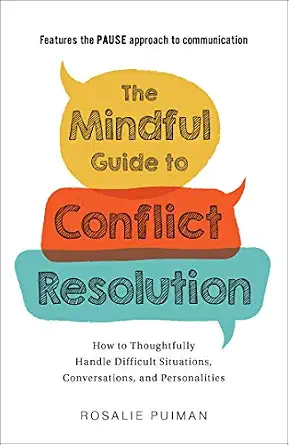 | Best for Mindful Conflict Handling | Format: Not provided | Focus: Mindful conflict resolution | Topics: Difficult situations, conversations, and personalities | VIEW ON AMAZON | See Our Full Breakdown |
| books on difficult conversation | Format | ASIN | Approach | Primary focus |
|---|---|---|---|---|
| The Difficult Conversations Sc | Book | B0H6M1P1YV | Word-for-word scripts and people skills | Difficult workplace conversations |
| Crucial Conversations: Tools f | Book | 1260474186 | Tools and techniques | Conversations when stakes are high |
| Difficult Conversations Don’t | Book | 1394187173 | Practical strategies and an easy-to-understand approach | Difficult conversations |
| Difficult Conversations: How t | Book | 014313759X | Frameworks and step-by-step techniques | Discussing what matters most |
| Difficult Conversations | Book | B012BLTJGG | — | Difficult workplace conversations |
| Difficult Conversations for Le | Not provided | B0GYL8GZCM | Step-by-step methods and actionable tools | — |
| Difficult Conversations: How t | Not provided | B00005454M | Move from blame toward understanding | — |
| Difficult Conversations: How t | Paperback | 0143118447 | Conflict-handling frameworks | — |
| 101 Tough Conversations to Hav | Not provided | 1400212014 | — | — |
| The Mindful Guide to Conflict | Not provided | 1507211325 | Thoughtful communication and practical strategies | — |
More Details on Our Top Picks
The Difficult Conversations Script Book for Managers: Word-for-Word Scripts and People Skills for the Hardest Talks at Work
For managers who freeze when a sensitive topic comes up, this book’s word-for-word scripts offer a concrete place to start. Its stated coverage includes feedback, conflict, and layoffs, so it addresses more workplace situations than the focused, short-format approach of HBR’s Difficult Conversations. That breadth makes it a useful desk-side reference for leaders who need language for several kinds of hard talks. The tradeoff is that scripted wording can sound stiff if a manager follows it unchanged; the description also gives little detail about the author’s method or credentials. Compared with Crucial Conversations, which presents tools for personal as well as professional conflicts, this pick is more specifically aimed at workplace application and immediate phrasing.
Pros:- Provides word-for-word scripts as a starting point for difficult talks.
- Covers feedback, conflict, and layoffs.
- Focuses on practical skills for managers and leaders.
Cons:- Scripts may feel rigid unless adapted to the people and situation.
- The supplied description gives little information about the author’s credentials or methodology.
Best for: Managers who want sample wording for feedback, workplace conflict, and layoff discussions.
Not ideal for: Readers seeking a detailed, established communication framework or guidance that extends beyond workplace leadership.
- Format:Book
- Target audience:Managers and leaders
- Primary focus:Difficult workplace conversations
- Approach:Word-for-word scripts and people skills
- Topics:Feedback, conflict, and layoffs
- ASIN:B0H6M1P1YV
Our verdict“Choose this if you manage people and want ready-made language for a range of difficult workplace conversations.”
Crucial Conversations: Tools for Talking When Stakes Are High, Third Edition
Crucial Conversations is the broadest fit here for readers facing conversations where the stakes feel high, whether at work or in personal relationships. Its emphasis on tools and techniques gives it a framework-oriented role alongside the more immediately scripted The Difficult Conversations Script Book for Managers. That distinction matters: this book is positioned to help readers develop a way to approach conflict across settings, while the manager-focused title supplies sample wording for specific workplace topics. The description says the third edition offers updated insights, but it does not identify supplemental materials or specific tools in detail. Readers should expect to engage with the strategies and apply them; the book is not presented as a quick script collection like the HBR guide.
Pros:- Addresses high-stakes conversations in personal and professional settings.
- Offers practical communication strategies and conflict-resolution techniques.
- The third edition is described as including updated insights.
Cons:- The supplied description does not specify particular tools or supplemental materials.
- Readers need to actively apply the strategies to benefit from them.
Best for: Readers dealing with consequential disagreements across both work and personal relationships who want reusable communication strategies.
Not ideal for: Managers who mainly need ready-to-say language for specific situations such as layoffs or performance feedback.
- Format:Book
- Edition:Third Edition
- Primary focus:Conversations when stakes are high
- Approach:Tools and techniques
- Settings:Personal and professional
- ASIN:1260474186
Our verdict“Pick this for a reusable approach to high-stakes discussions across work and personal life.”
Difficult Conversations Don’t Have to Be Difficult: A Simple, Smart Way to Make Your Relationships and Team Better
This title’s stated promise is an easy-to-understand approach to improving both relationships and teams, making it a plausible entry point for readers who want practical guidance without a narrow management-only focus. Its relationship angle gives it broader reach than HBR’s Difficult Conversations, which is described around workplace conflict. At the same time, the available description offers fewer specifics about its techniques than Difficult Conversations: How to Discuss What Matters Most, whose listing identifies frameworks, examples, and step-by-step methods. That makes this option harder to judge for readers who want to compare a defined process before choosing. It may suit someone looking for an approachable overview, but the limited content detail leaves less evidence about how deeply it handles particular kinds of conflict.
Pros:- Described as using an easy-to-understand approach.
- Connects conversation skills with improving relationships and teams.
- Addresses personal and professional settings.
Cons:- The supplied description does not detail chapters or specific methods.
- It is difficult to assess how deeply it addresses particular conversation scenarios from the available product information.
Best for: Readers new to difficult-conversation guidance who want an approachable book spanning team and personal relationships.
Not ideal for: Readers who want a clearly described step-by-step framework, detailed examples, or a specific set of techniques before choosing.
- Format:Book
- Primary focus:Difficult conversations
- Approach:Practical strategies and an easy-to-understand approach
- Relationship settings:Personal and professional
- Stated outcome:Improve relationships and teams
- ASIN:1394187173
Our verdict“Consider this as an accessible starting point if you want relationship and team guidance and do not need a clearly outlined method.”
Difficult Conversations: How to Discuss What Matters Most
This is the most rounded choice in the batch for readers who want a clear framework for sensitive conversations across work, home, and relationships. The description points to real-world examples, active listening, emotion management, and step-by-step techniques, giving buyers a more concrete sense of the approach than the broad overview described for Difficult Conversations Don’t Have to Be Difficult. It also travels across settings, unlike HBR’s Difficult Conversations, which is positioned around workplace conflict. The main tradeoff is depth for experienced professionals: its guidance may feel introductory if you already use structured communication methods. For a first purchase on the subject, though, the mix of examples and practical steps makes it the most adaptable option here.
Pros:- Combines practical frameworks with real-world examples.
- Covers listening, managing emotions, and constructive outcomes.
- Applies to work, home, and relationship conversations.
Cons:- May feel introductory to experienced professionals.
- Its broad audience may offer less workplace-specific scripting than the manager-focused script book.
Best for: Readers who want a practical, cross-setting framework for sensitive discussions at work, at home, or in relationships.
Not ideal for: Seasoned professionals already familiar with structured communication methods who want advanced or specialized guidance.
- Format:Book
- Primary focus:Discussing what matters most
- Approach:Frameworks and step-by-step techniques
- Content:Real-world examples
- Skills covered:Active listening and managing emotions
- Settings:Work, home, and relationships
- ASIN:014313759X
Our verdict“Choose this as a versatile first guide if you want practical steps for difficult conversations across several parts of life.”
Difficult Conversations (HBR 20-Minute Manager Series): Craft a Clear Message, Manage Emotions, Focus on a Solution
The HBR 20-Minute Manager title is the compact workplace pick: its stated focus on clear messages, emotion management, and solutions gives busy managers a short, practical set of conversation priorities. That narrow scope makes it easier to distinguish from Difficult Conversations: How to Discuss What Matters Most, which is described as covering work, home, and relationships with examples and step-by-step techniques. It also lacks the broad personal-and-professional reach of Crucial Conversations. The tradeoff is that readers seeking help with family or other nonwork disagreements may find the focus too limited. Product information does not specify a particular edition or publication details, so buyers have less context about the material’s currency than the third-edition Crucial Conversations listing provides.
Pros:- Centers on clear messages, managing emotions, and solution-focused discussion.
- Designed for workplace and management situations.
- Its 20-Minute Manager positioning suits readers seeking a compact guide.
Cons:- The stated focus is limited to workplace conversations.
- The supplied product information does not specify edition or publication details.
Best for: Time-pressed managers who want concise guidance on clear messaging, emotion management, and solutions at work.
Not ideal for: Readers seeking guidance for personal relationships or a broad, detailed framework spanning several settings.
- Format:Book
- Series:HBR 20-Minute Manager Series
- Primary focus:Difficult workplace conversations
- Stated approach:Craft a clear message, manage emotions, focus on a solution
- Audience:Managers
- ASIN:B012BLTJGG
Our verdict“Choose this compact guide if your difficult conversations are mainly workplace discussions and you want a focused set of priorities.”
Difficult Conversations for Leaders Made Simple: Proven Methods to Reduce Anxiety, Deliver Honest Feedback Confidently and Build Trust to Inspire Change
Leader-focused and action-oriented, this book is aimed at people who need to give honest feedback and keep trust intact while doing it. Its step-by-step methods for reducing anxiety may help a manager prepare for a hard talk instead of putting it off, while the emphasis on applying tools immediately suits readers with active team responsibilities. Compared with 101 Tough Conversations to Have with Employees, which centers on workplace scenarios and scripts, this pick puts more emphasis on a leader’s confidence, feedback, and relationship with the team. That makes its scope useful for ongoing leadership conversations, though less tailored to specific employee conduct or performance cases. Its corporate focus is also a limitation for readers seeking guidance for family, friendship, or other personal conflicts.
Pros:- Step-by-step methods address anxiety before a difficult talk
- Connects honest feedback with building trust
- Actionable tools are intended for immediate use in leadership roles
Cons:- Corporate focus may not translate well to personal relationships
- The description does not identify specific conversation scripts or scenarios
Best for: New and experienced team leaders who want practical help preparing for candid feedback conversations at work.
Not ideal for: Readers looking for guidance on personal or family conflicts, since the described approach centers on leadership and teams.
- Format:Not provided
- Focus:Difficult conversations for leaders
- Key topics:Reducing anxiety, honest feedback, trust, and change
- Approach:Step-by-step methods and actionable tools
- Intended setting:Leadership and workplace teams
- ASIN:B0GYL8GZCM
Our verdict“Choose this for confidence-building guidance on leader-to-team conversations, especially if you want broader feedback tools rather than employee-specific scripts.”
Difficult Conversations: How to Discuss What Matters Most
Best suited to readers who want to understand why a conversation gets stuck, this guide frames conflict through identity, feelings, and perceptions. Its move from blame toward understanding can help readers examine what each person thinks is happening before reaching for a response. The stated relevance to both personal and professional relationships gives it broader reach than 101 Tough Conversations to Have with Employees, which is built around managers’ workplace cases. The tradeoff is that the framework may feel dense, and knowing the concepts is only a start: applying them under pressure takes practice. Readers who want quick phrases for a specific meeting may prefer a script-driven resource, while this book is better for those willing to reflect on the conversation beneath the disagreement.
Pros:- Addresses identity, feelings, and perceptions beneath disagreements
- Offers a shift from blame toward understanding
- Applies to personal as well as professional relationships
Cons:- The theoretical framework may feel dense
- Using the strategies effectively requires sustained practice
Best for: Readers willing to reflect and practice who want a framework for conflicts across work and personal relationships.
Not ideal for: Managers seeking quick, ready-to-use scripts for a specific employee conversation.
- Format:Not provided
- Focus:Discussing what matters most in difficult conversations
- Key topics:Identity, feelings, and perceptions
- Approach:Move from blame toward understanding
- Intended settings:Personal and professional relationships
- ASIN:B00005454M
Our verdict“Pick this if you want to understand the dynamics beneath difficult talks and can invest time in practicing the framework.”
Difficult Conversations: How to Discuss What Matters Most
A framework-centered paperback, this edition focuses on the structure of a difficult conversation and on shifting from blame to learning, and from judgment to curiosity. That emphasis gives readers a way to reconsider how they enter a disagreement, rather than relying on a prepared line for every situation. Compared with 101 Tough Conversations to Have with Employees, it is less focused on workplace cases and more concerned with the underlying conversation process. The paperback format is specified, but the provided product information does not establish other edition details. Readers who already know basic communication theory may find the approach repetitive, and applying it in a live, emotional exchange takes effort. It fits readers looking for a general framework more than those after a fast reference.
Pros:- Provides frameworks for handling conflict
- Encourages a shift from blame to understanding
- Paperback format is specified
Cons:- May feel repetitive to readers familiar with basic communication theory
- Applying the methods in real time takes effort
Best for: Paperback readers who want a general framework for shifting difficult discussions from blame and judgment toward learning and curiosity.
Not ideal for: Readers already familiar with basic communication frameworks or managers who need quick scripts for specific employee issues.
- Format:Paperback
- Focus:The structure of difficult conversations
- Key shifts:Blame to learning; judgment to curiosity
- Approach:Conflict-handling frameworks
- ASIN:0143118447
Our verdict“Choose this paperback for a general conversation framework if you are prepared to practice it beyond reading.”
101 Tough Conversations to Have with Employees: A Manager’s Guide
Built around the conversations managers actually need to hold, this guide covers performance, conduct, and discipline, with frameworks, examples, and practical tips. Its scenario-led approach can help a manager prepare for an employee discussion more directly than Difficult Conversations for Leaders Made Simple, which is described more broadly around feedback, confidence, and trust. The advantage is workplace specificity; the tradeoff is narrower use beyond management. The supplied description points to clear conversation frameworks, while the pros mention scripts and real-world scenarios across industries, making it a more practical reference for varied employee issues. Its density may frustrate managers who only need a quick prompt before a meeting, so it suits readers willing to work through the material.
Pros:- Covers performance and behavioral issues
- Provides conversation frameworks and scripts
- Includes real-world scenarios across industries
Cons:- May feel dense for managers seeking a quick reference
- Its employee-management focus limits use for personal conflicts
Best for: People managers and supervisors preparing for performance, conduct, or discipline conversations with employees.
Not ideal for: Readers seeking help with personal relationship conflicts or managers who need only a brief, quick-reference prompt.
- Format:Not provided
- Audience:Managers
- Focus:Tough conversations with employees
- Topics:Performance, conduct, and discipline
- Methods:Conversation frameworks, scripts, and practical tips
- Examples:Real-world scenarios across various industries
- ASIN:1400212014
Our verdict“Choose this when you need workplace-specific preparation for employee issues and have time to consult a detailed guide.”
The Mindful Guide to Conflict Resolution: How to Thoughtfully Handle Difficult Situations, Conversations, and Personalities
This pick puts thoughtfulness at the center of conflict resolution, with guidance described as useful for difficult situations, conversations, and personalities. Its focus on mindful communication and relationships gives it a wider interpersonal frame than 101 Tough Conversations to Have with Employees, whose attention is on manager-employee issues. That breadth may suit readers who want to respond more thoughtfully across personal and professional settings. The tradeoff is a lack of detail in the supplied description: it names practical strategies but does not specify particular tools, scripts, or a step-by-step method. Compared with the more structured frameworks in Difficult Conversations: How to Discuss What Matters Most, this pick’s stated distinction is its mindfulness emphasis, though readers seeking a clearly defined process may want more concrete detail.
Pros:- Centers mindful and thoughtful communication
- Addresses difficult situations, conversations, and personalities
- Aims to support better personal and professional relationships
Cons:- The supplied description does not identify specific tools or frameworks
- Applying the strategies may take time
Best for: Readers who want a thoughtful, relationship-centered approach to conflicts across personal and professional settings.
Not ideal for: Readers who need named frameworks, detailed scripts, or a quick procedure for a specific difficult conversation.
- Format:Not provided
- Focus:Mindful conflict resolution
- Topics:Difficult situations, conversations, and personalities
- Approach:Thoughtful communication and practical strategies
- Intended relationships:Personal and professional
- ASIN:1507211325
Our verdict“Pick this for a mindfulness-oriented approach to varied conflicts if you do not need a clearly specified script or framework.”

How We Picked
I compared the books by how directly they help a reader prepare for a difficult conversation: whether they explain what makes conflict hard, offer a repeatable method, and provide usable prompts or scripts. I also considered audience fit, scope, and format. A manager facing recurring employee conversations needs different support from someone working through personal conflict, and a short primer serves a different purpose from a fuller framework.
The order favors broad usefulness first, then more specialized or compact approaches. Difficult Conversations: How to Discuss What Matters Most leads because its focus applies across work and personal settings; Crucial Conversations follows for high-stakes dialogue. The workplace-specific guides rank higher for readers who need prepared language, while the brief HBR guide and mindful conflict title serve readers with narrower format or approach preferences. The supplied list repeats the same Difficult Conversations title three times, so those entries are treated as one distinct book rather than separate recommendations.
| books on difficult conversation | Format | Primary focus | Focus |
|---|---|---|---|
| The Difficult Conversations Sc | Book | Difficult workplace conversations | — |
| Crucial Conversations: Tools f | Book | Conversations when stakes are high | — |
| Difficult Conversations Don’t | Book | Difficult conversations | — |
| Difficult Conversations: How t | Book | Discussing what matters most | — |
| Difficult Conversations | Book | Difficult workplace conversations | — |
| Difficult Conversations for Le | Not provided | — | Difficult conversations for leaders |
| Difficult Conversations: How t | Not provided | — | Discussing what matters most in difficult conversations |
| Difficult Conversations: How t | Paperback | — | The structure of difficult conversations |
| 101 Tough Conversations to Hav | Not provided | — | Tough conversations with employees |
| The Mindful Guide to Conflict | Not provided | — | Mindful conflict resolution |
Factors to Consider When Choosing Books On Difficult Conversations
Choose a book based on the conversation you need to have and the kind of help you will use. A useful framework can change how you listen and respond; a script can help you get through a specific meeting. These factors can help you tell which format is likely to serve you.
Start With the Conversations You Actually Face
Think of one or two upcoming conversations before choosing a book. Performance feedback, a family disagreement, and a conflict between colleagues all call for different examples and preparation. A workplace guide may provide language for an employee discussion but feel narrow when the issue is personal. A broad conflict book can travel across settings, though it may give less detail for a manager’s recurring duties. Match the book’s audience to your situation, then check whether its examples resemble the people and stakes involved. Avoid choosing by title alone, since several books use similar wording while serving different readers.
Decide Whether You Need a Framework or Words to Use
Some readers need to understand why a conversation has become difficult; others need a useful opening sentence for a meeting tomorrow. A framework helps you prepare, listen, and adjust when the other person responds unexpectedly. Scripts reduce the burden of finding a calm way to start, especially for familiar workplace situations. They can become awkward if repeated verbatim when the circumstances or relationship differ from the example. If you tend to freeze, a script-centered guide may be a helpful first step; if conversations keep following the same unproductive pattern, a framework may address the recurring cause. Check whether you want a prompt to adapt or a method to practice.
Check the Book’s Scope Before You Commit
A book about high-stakes dialogue may concentrate on moments when opinions differ and consequences matter. A guide to difficult conversations may spend more time on assumptions, emotions, and the stories each person brings. Conflict resolution titles can focus on awareness and responding to different personalities. That difference affects what you’ll learn and what the book can reasonably help with. If your challenge is mainly giving employee feedback, a general relationship guide may leave you wanting more specific examples. If you want skills that transfer between work and home, a narrow manager manual may have limited reach.
Choose a Format You Will Finish and Revisit
A concise guide can make sense when you want a quick orientation or a short refresher before a meeting. A longer treatment gives more room for context, examples, and reflection, which can help when the pattern is complex or recurring. Shortness alone does not make a book easier to apply; check whether it contains a clear process you can remember. Likewise, a detailed book may be more useful as a reference than as a cover-to-cover read. Consider whether you prefer to learn in one sitting, return to selected chapters, or practice over time. The best format is the one that fits how you prepare.
Look for Guidance That Fits the Stakes
Not every hard conversation needs the same level of preparation. A routine correction may call for clear language and a chance for the other person to respond, while a conversation with major consequences may require more attention to timing and emotional control. Books framed around high-stakes dialogue can help when the cost of misunderstanding is substantial. For everyday situations, that depth may feel heavier than needed. Be wary of treating a script as a substitute for judgment when a conversation involves sensitive personal or workplace issues. Pick guidance that helps you prepare for your real level of risk and responsibility.
Frequently Asked Questions
Which book is the best starting point if I am unsure what kind of conversation I need help with?
Difficult Conversations: How to Discuss What Matters Most is a sensible first choice because its subject reaches beyond a single workplace role or scenario. It can help you think about what each person believes is happening, which is useful when you cannot yet name the source of the tension. If you already know the conversation is a high-stakes disagreement, Crucial Conversations may be a closer match. Readers who mainly want phrases for employee discussions may get more immediate help from a manager-focused guide. Let the type of support you need determine the starting point.
Should I choose a book with scripts or one that explains a conversation framework?
Choose scripts when getting started is the main obstacle, particularly if you have a familiar workplace conversation coming up. A framework is more useful when you need to adapt to unexpected reactions or understand why discussions repeatedly go off track. Scripts can give you a calm opening, but they rarely account for every relationship and context. Frameworks take more thought to apply, yet can be reused across situations. If you can, use a script as rehearsal and a framework as the guide for responding in the moment.
Are the three listings for Difficult Conversations: How to Discuss What Matters Most different books?
The supplied roundup list names the same title and author-independent subtitle three times. It does not provide edition details or other information that would establish those entries as separate books. Treat them as duplicate listings unless you have specific edition or format information from the seller. The roundup compares that title as one distinct recommendation. This keeps the comparison focused on the range of approaches represented by the other books.
Which option is more suited to managers handling recurring employee discussions?
The Difficult Conversations Script Book for Managers and 101 Tough Conversations to Have with Employees are the most directly aimed at manager-employee situations based on their titles and stated focus. A script-centered book may help you find language for a particular exchange, while a guide organized around many tough conversations may suit someone facing a wider range of employee issues. Difficult Conversations for Leaders Made Simple foregrounds feedback, anxiety, and trust for leaders. Compare the situations covered with the conversations you actually handle before choosing. A general dialogue book can still help with listening and conflict, but may not offer the same workplace-specific prompts.
Is a short guide enough, or should I choose a longer book?
A short guide can be enough if you want a quick introduction to structuring a message, managing emotion, or staying focused on a solution. The HBR 20-Minute Manager title is built around a compact format, so it may be easier to consult before a conversation. Choose a longer treatment when you need more explanation, varied examples, or help with patterns that keep recurring. The tradeoff is not simply speed versus detail: you also need to decide whether a brief overview gives you enough practice to act. If you finish a short guide and still feel unsure how to respond to pushback, a fuller framework may be a better next step.
Conclusion
For a best overall pick, start with Difficult Conversations: How to Discuss What Matters Most for guidance that applies across work and personal settings. Crucial Conversations is the better fit for readers facing high-stakes disagreement, while The Difficult Conversations Script Book for Managers is a practical choice for workplace language. For beginners who want a compact primer, the HBR 20-Minute Manager guide keeps the scope brief; for leaders handling feedback and trust, consider Difficult Conversations for Leaders Made Simple. Readers seeking a wider emotional approach to conflict may prefer The Mindful Guide to Conflict Resolution. Pick the title whose audience and method match the conversation you need to have.