
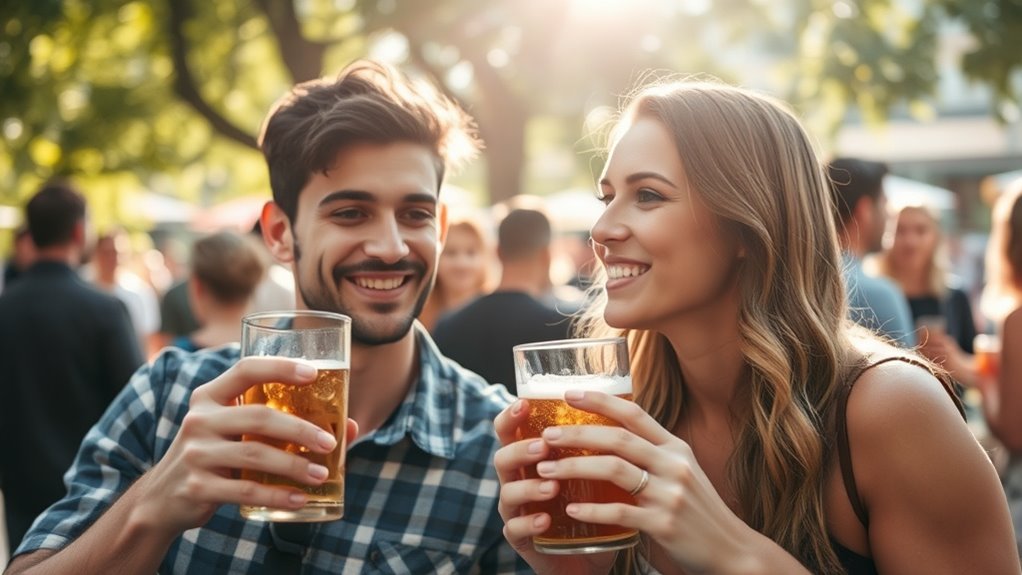

When drinking alcohol, it’s vital to recognize how it can impair your judgment and communication. Always seek clear, enthusiastic consent before any intimacy, and don’t assume it based on previous interactions or silence. Pace your drinking, know your limits, and check in regularly with your partner to guarantee mutual comfort. Remember, sober consent is legally and ethically necessary. Continuing this conversation will help you better understand how to stay safe and respectful when alcohol is involved.
Key Takeaways
- Ensure all sexual activity involves clear, enthusiastic, and ongoing consent from sober, alert individuals.
- Communicate openly with your partner about boundaries and comfort levels before and during intimacy.
- Pace alcohol intake and know your personal limits to maintain good judgment and decision-making.
- Regularly check in with your partner to confirm mutual consent and comfort throughout the interaction.
- Remember that intoxication does not eliminate the need for explicit consent; respect their ability to give or withdraw agreement.

Understanding consent becomes especially important when alcohol is involved because it can impair judgment and communication. When you’re drinking heavily or engaging in binge drinking, your ability to make clear decisions and recognize others’ boundaries diminishes. Binge drinking increases the risk of misinterpreting signals or assuming consent without truly understanding if someone is comfortable. It’s easy to become less aware of your surroundings and the feelings of others when intoxicated, which makes it vital to prioritize clear, enthusiastic agreement before any intimate activity. Remember, alcohol doesn’t erase someone’s right to give or withdraw consent. Consent laws are in place to protect everyone, and they specify that consent must be ongoing, informed, and freely given. These laws don’t consider intoxication as a valid form of consent, meaning if either person is drunk, any sexual activity could be considered non-consensual. That’s why it’s essential to check in regularly and never assume consent based on previous interactions or silence.
Being aware of how binge drinking impacts your judgment can help you stay responsible. It’s smarter to pace yourself, know your limits, and avoid situations where alcohol might impair your ability to make sound decisions. Understanding the legal framework around consent, especially in cases involving alcohol, can guide you toward healthier choices. Many regions have specific consent laws that prohibit sexual activity without clear, sober agreement. Knowing these laws reminds you that consent isn’t just a personal matter—it’s a legal requirement. Ultimately, practicing respectful communication, being attentive to your partner’s cues, and recognizing your own boundaries minimize the risk of harm and guarantee that everyone’s rights are protected.
Additionally, understanding air purifier technology can help you make informed decisions about maintaining a healthy environment in your home, which is especially important when considering overall well-being and safety.
Frequently Asked Questions
How Can I Tell if Someone Is Too Intoxicated to Give Consent?
You can tell if someone is too intoxicated to give consent by observing their behavior cues and intoxication signs. Look for slurred speech, lack of coordination, or confusion. They might have blurred or red eyes, slow responses, or difficulty remembering things. If their actions seem inconsistent or they’re unable to communicate clearly, it’s a clear sign they’re too intoxicated to give valid consent. Always prioritize safety and check in openly.
What Are the Legal Limits for Alcohol Consumption and Consent?
Legal limits for alcohol consumption vary by jurisdiction, but generally, a blood alcohol concentration (BAC) of 0.08% is considered legally intoxicated. However, intoxication cues like slurred speech, impaired coordination, and altered judgment indicate someone may be too intoxicated to give valid consent. Always pay attention to these signs, and remember that even below legal limits, alcohol can impair decision-making and ability to consent effectively.
How Do Cultural Differences Affect Perceptions of Consent and Alcohol?
Cultural norms considerably influence how you perceive consent and alcohol. In some cultures, drinking perceptions are more relaxed, which can lead to misunderstandings about consent. You might assume that alcohol relaxes social boundaries, but it doesn’t remove the need for clear, enthusiastic consent. Be aware of different cultural expectations to guarantee you respect others’ boundaries, and always prioritize open communication and mutual understanding, regardless of cultural background.
Can Consent Be Withdrawn Once Alcohol Is Involved?
Like a ship changing course, you can withdraw consent even when alcohol is involved. If you or your partner’s capacity assessment indicates they’re no longer able to communicate soberly, or if sober communication reveals discomfort, consent must be respected. Always check in with your partner, ensuring ongoing willingness. Remember, consent is a continuous process, and alcohol doesn’t diminish the need for clear, enthusiastic agreement at every stage.
What Are Some Common Misconceptions About Alcohol and Consent?
Myth busting, many believe alcohol automatically nullifies consent, but that’s false. Respect boundaries remains essential regardless of alcohol consumption. People often think if someone’s intoxicated, they can’t give or withdraw consent, but clear communication still applies. Always check in with your partner, respect their feelings, and remember that consent must be ongoing. Alcohol doesn’t erase personal rights or the need for mutual agreement in any situation.
Conclusion
Remember, just like in Shakespeare’s plays where consent is the foundation of trust and respect, your choices matter. When you stay aware and communicate clearly, you’re not only protecting yourself but honoring others’ boundaries. Think of each moment as a chance to write your own story—one built on mutual understanding and care. By staying mindful, you’re creating a safer space for everyone, proving that true strength lies in respect and integrity.