
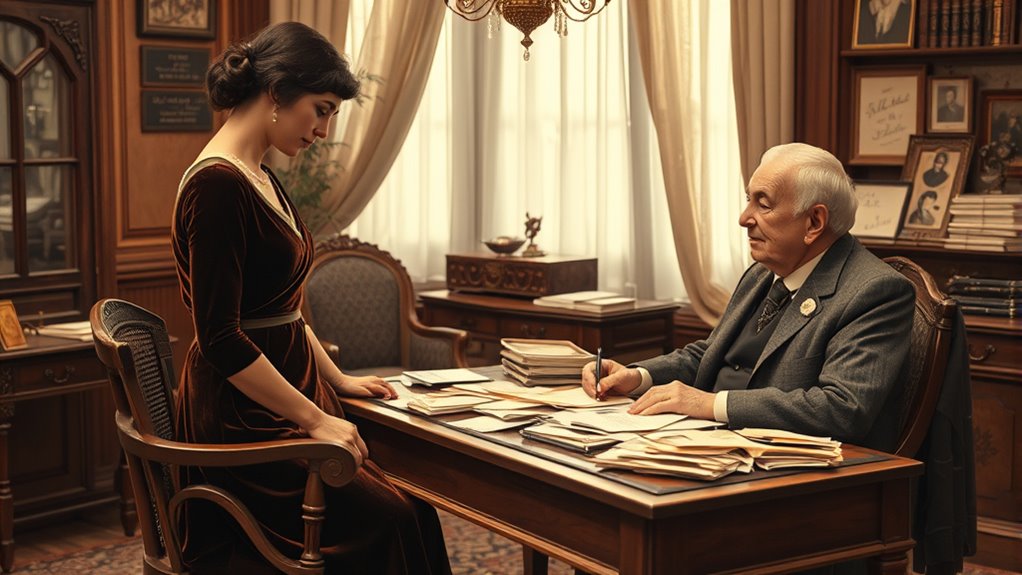

The history of matchmaking starts with ancient customs where families and community elders arranged marriages based on social status, tradition, and shared values. Over time, techniques evolved with printed ads, dating services, and personal ads, making connections more accessible. The internet then revolutionized matchmaking with online platforms that match people based on preferences, culture, and compatibility. If you explore further, you’ll discover how these methods continue to adapt with modern technology and cultural influences.
Key Takeaways
- Traditional matchmaking originated from cultural customs involving families and elders arranging marriages based on social and familial ties.
- Societies evolved to include printed matrimonial ads and personal notices as methods to find partners beyond immediate communities.
- The advent of computers and the internet led to online dating platforms, enabling global connections and personalized matching.
- Modern apps incorporate cultural preferences and values, blending tradition with technology for more compatible matches.
- Current trends include AI-driven matchmaking and virtual dates, continuing the evolution of love-finding methods.

Have you ever wondered how the art of matchmaking has evolved over centuries? It’s a fascinating journey that intertwines cultural traditions with technological advancements, shaping how people find love. In ancient times, matchmaking was deeply rooted in cultural customs. Families or community elders often played a significant role, arranging marriages based on social standing, economic alliances, or shared values. These traditions varied widely across cultures, from arranged marriages in India to the matchmaking rituals of Chinese dynasties. The goal was not just romantic compatibility but also strengthening community bonds and ensuring social stability. These customs held sway for generations, emphasizing the importance of lineage, honor, and tradition. As societies grew more complex, so did their methods of bringing people together.
With the passage of time, technological advancements began transforming matchmaking practices. The invention of printed materials like matrimonial ads allowed individuals to seek partners outside their immediate social circles. In the 19th and early 20th centuries, dating services and personal ads in newspapers started to become more popular, giving people a broader reach. Despite these innovations, traditional methods still played a crucial role, especially in tight-knit communities. However, it was the advent of computers and the internet that truly revolutionized the process. Online dating sites emerged in the late 20th century, providing platforms where users could create profiles, specify preferences, and connect with potential matches across vast geographic areas. These digital tools removed many barriers, making matchmaking more accessible and efficient than ever before. Additionally, the integration of cultural preferences into modern algorithms helps ensure compatibility while respecting individual backgrounds.
Today, the blend of cultural traditions and modern technology continues to shape how people find love. Many dating apps incorporate cultural preferences into their algorithms, allowing users to filter matches based on religion, ethnicity, or shared customs. This integration respects individual backgrounds while leveraging the convenience of technology. You can see how traditional values still influence contemporary platforms, which often emphasize compatibility based on cultural and personal factors. Meanwhile, technological advancements have made matchmaking faster, more personalized, and more diverse. From AI-powered matchmaking to virtual dates, the methods keep evolving, but the core desire remains unchanged: connecting people in meaningful ways. So, whether you’re exploring family-arranged traditions or swiping through a dating app, you’re part of an ongoing story—one that combines centuries of cultural wisdom with the power of modern innovation to find love.
Frequently Asked Questions
How Did Ancient Cultures Approach Arranged Marriages?
Ancient cultures approached arranged marriages through specific marriage rituals and courtship customs, often involving families’ active roles. You’d find that families carefully selected suitable partners based on social status, kinship ties, and compatibility. Courtship might include supervised meetings or dowry exchanges, emphasizing social stability. These customs aimed to strengthen alliances, ensure lineage continuity, and uphold cultural values, making marriage a collective effort rather than just a union between two individuals.
What Role Did Religion Play in Early Matchmaking Practices?
Religion played a central role in early matchmaking practices by guiding decisions through religious rituals and seeking spiritual guidance. You’re likely to find that families relied on priests or spiritual leaders to perform ceremonies and offer blessings, believing divine approval was essential for a successful union. These practices reinforced social values, ensured moral compatibility, and aligned marriages with spiritual beliefs, making religion an integral part of the matchmaking process.
Were There Any Famous Historical Matchmakers or Matchmaker Families?
You’ll find that famous historical matchmakers include celebrity matchmakers like Irene and David Berman, who gained notoriety in modern times, and royal matchmaking experts such as Lady Anne and the Earl of Shaftesbury, who arranged royal marriages. These individuals and families shaped the tradition of matchmaking, blending social status and personal connections, making them legendary figures in both celebrity and royal matchmaking circles.
How Did the Invention of the Telephone Influence Matchmaking Methods?
Like a lighthouse guiding ships through fog, the telephone transformed matchmaking communication by making it faster and more personal. It allowed you to connect instantly, breaking geographical barriers and enabling direct conversations. This invention shifted matchmaking from face-to-face meetings and letters to real-time dialogue, fostering genuine connections. The telephone’s influence made matchmaking more efficient, intimate, and accessible, shaping how people find love in the modern age.
What Were Some Cultural Differences in Matchmaking Across Civilizations?
You’ll notice that cultural rituals and societal norms shape matchmaking differently across civilizations. In some cultures, arranged marriages follow strict family and community roles, emphasizing honor and tradition. Others prioritize personal choice, with dating rituals focused on social gatherings or courtship practices. These differences influence how people meet, connect, and marry, reflecting each society’s values and beliefs about love, compatibility, and social structure.
Conclusion
You’ve seen how matchmaking has evolved from ancient matchmakers to modern apps. Today, over 39% of couples meet online, proving technology’s huge impact on love stories. It’s fascinating to think that centuries ago, personal connections depended on trusted matchmakers, while now, algorithms do the work. No matter the method, the goal remains the same: bringing people together. Who knows what the future holds for love in this ever-changing world?