
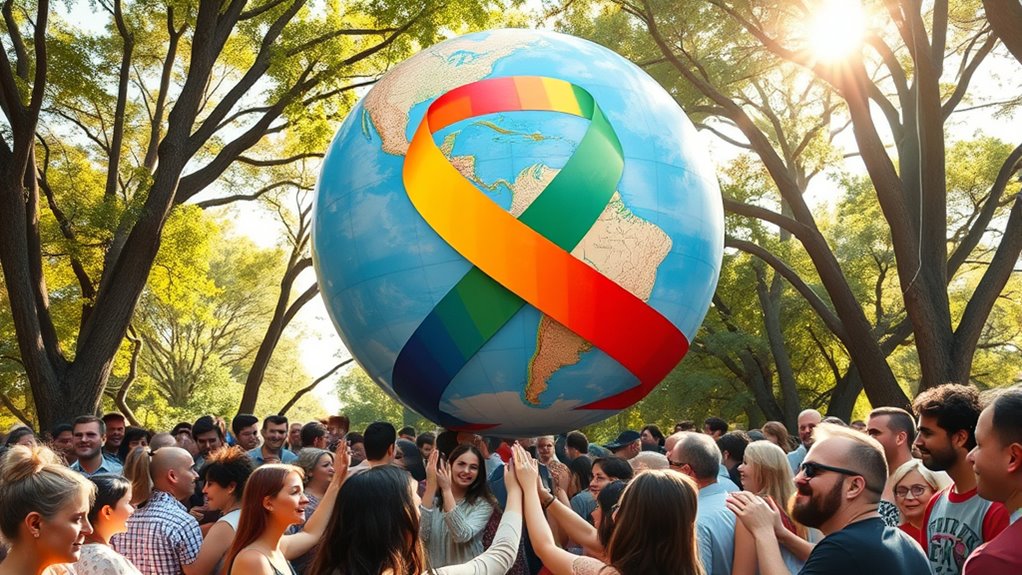

The future of marriage equality worldwide depends on how societies manage religious and cultural resistance alongside legal progress. While many countries are expanding recognition through advocacy, courts, and changing public attitudes, opposition from religious groups and traditional norms still pose challenges. Legal systems are increasingly balancing protections for same-sex couples with religious freedoms, but social acceptance varies. Staying informed reveals how ongoing activism and dialogue continue shaping this evolving landscape and what might lie ahead.
Key Takeaways
- Increasing legal reforms worldwide reflect a trend toward broader recognition of marriage equality.
- Religious and cultural opposition remains a significant obstacle, influencing legislative and societal acceptance.
- Advocacy, judicial rulings, and changing public attitudes are key drivers of future progress.
- Countries often balance religious freedoms with anti-discrimination protections to expand marriage rights.
- Continued activism and education are essential for overcoming resistance and achieving full global recognition.
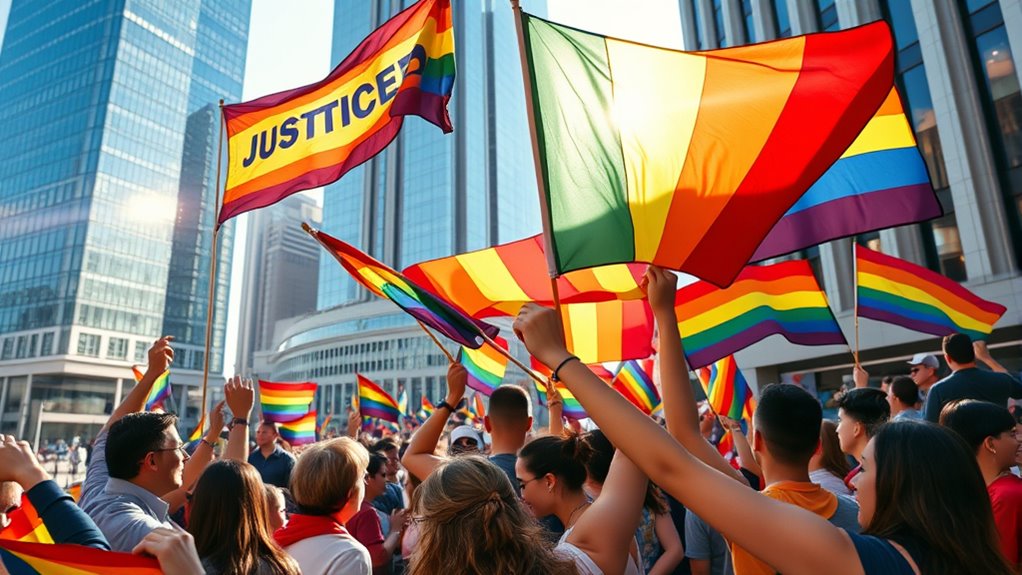
As the global movement for marriage equality gains momentum, many nations are reevaluating their laws to recognize same-sex unions. However, this push faces significant hurdles rooted in religious opposition and cultural resistance. In many countries, deeply ingrained religious beliefs oppose the idea of same-sex marriage, citing doctrinal teachings that uphold traditional definitions of marriage as between a man and a woman. Religious groups often mobilize to influence legislation, organize protests, and sway public opinion against legal recognition of same-sex unions. This opposition isn’t limited to specific faiths; across various religious communities, there are vocal segments that see marriage equality as a challenge to their moral values and societal norms. As a result, lawmakers in some regions hesitate or outright oppose reforms, fearing backlash from religious constituencies or risking social discord.
Religious opposition and deep-seated cultural norms challenge the global push for marriage equality and legal recognition.
Cultural resistance adds another layer of complexity. In many societies, longstanding traditions and social customs shape perceptions of marriage. These cultural norms often equate marriage with procreation, lineage, and social stability, making the idea of same-sex marriage seem foreign or unacceptable. Resistance from cultural institutions, including family structures, community leaders, and local customs, can slow or block legislative progress. This resistance is particularly strong in areas where traditional gender roles are deeply embedded, and where the concept of gender and sexuality remains taboo or stigmatized. You might find that even when laws are changed, societal acceptance lags behind, leading to ongoing discrimination and social exclusion. Moreover, societal attitudes are often influenced by cultural and religious norms, which can be slow to change despite legal advancements.
Despite these challenges, progress continues. Countries that have successfully reformed their marriage laws often do so through persistent advocacy, judicial rulings, and shifting public attitudes. Many activists work tirelessly to educate communities, dispel myths, and foster dialogue that bridges religious and cultural divides. Some nations have found ways to accommodate religious objections by allowing religious institutions to refuse to perform same-sex marriages while still providing civil marriage rights. Others focus on changing cultural perceptions through education campaigns that emphasize human rights, equality, and the separation of church and state.
Looking ahead, the future of marriage equality will likely depend on how effectively societies can address religious opposition and cultural resistance. As more people become aware of the importance of equal rights, and as legal systems adapt to protect those rights, the tide may turn in more regions. Yet, you should expect ongoing debates, legislative battles, and social struggles. The path to full recognition isn’t straightforward, but the momentum towards equality remains strong, promising a future where love and commitment aren’t limited by outdated traditions or religious dogma.
Frequently Asked Questions
How Will Marriage Equality Impact Religious Institutions Globally?
Marriage equality will challenge religious doctrines and create legal conflicts for religious institutions worldwide. You might find that some institutions face pressure to adapt their teachings or face legal repercussions. While some may resist, others could seek accommodations. These conflicts will force religious groups to navigate complex legal and moral landscapes, impacting their practices and public roles. Ultimately, marriage equality will push institutions to reconsider their stances in a rapidly evolving legal and societal context.
What Are the Economic Benefits of Marriage Equality Worldwide?
Like Pandora’s box opening, marriage equality unleashes economic benefits worldwide. You’ll see increased economic growth as more couples marry, boosting consumer spending on weddings, housing, and services. This inclusivity encourages diverse markets and attracts global talent, fueling innovation. As society becomes more accepting, you’ll notice a ripple effect, strengthening economies and creating jobs. Embracing marriage equality isn’t just about rights; it’s a strategic move for economic prosperity.
How Will International Law Influence National Marriage Equality Laws?
International law will considerably influence your country’s marriage equality laws through international treaties and agreements. These treaties often promote human rights and non-discrimination, encouraging nations to align their laws accordingly. Cross-border recognition becomes essential, ensuring your marriage is recognized abroad, which supports equality and legal certainty. As countries adhere to these treaties, your rights and the legal standing of your marriage are more likely to be protected and respected internationally.
What Role Do Cultural Traditions Play in Legalizing Marriage Equality?
Cultural traditions are the roots of a mighty tree, shaping how society views marriage equality. You might face cultural resistance, as traditional values often clash with change. Yet, these traditions can also be bridges, helping communities embrace new ideas. By respecting cultural nuances, advocates can foster understanding and acceptance, gradually transforming traditional views into inclusive beliefs that support marriage equality.
How Might Marriage Equality Affect Adoption Rights Internationally?
Marriage equality can positively influence adoption rights internationally by encouraging more inclusive adoption policies and fostering harmonization through international treaties. When countries adopt marriage equality, they often align their adoption laws to support same-sex couples, making cross-border adoptions smoother. You might see increased cooperation and standardized practices, ensuring that couples’ rights are protected globally. This shift promotes equality and better safeguards for children and prospective parents across different nations.
Conclusion
As you look ahead, marriage equality is like a rising tide—gradually lifting barriers and transforming societies. While progress varies across countries, your voice and actions can accelerate change, making love’s legal recognition a universal reality. Keep advocating, because each step forward brings us closer to a world where everyone, regardless of whom they love, can celebrate their commitment freely and equally. Together, you can help turn this hopeful tide into a lasting wave of equality.