


Crying serves a crucial role in emotional relief and evolution. It helps you process complex feelings, releases stress hormones and toxins, and triggers endorphin release for comfort. When you cry in front of others, it signals vulnerability, fostering empathy and social bonds. This dual function aids both your physical and emotional healing, making crying more than just a quirk. To understand how these processes work together, explore the fascinating science behind tears.
Key Takeaways
- Crying serves both emotional regulation and social bonding, indicating its dual role in human evolution and psychological well-being.
- Tears contain toxins and stress hormones, suggesting crying helps physically detoxify and relax the body.
- Endorphin release during crying provides natural pain relief, promoting emotional healing and internal balance.
- Crying signals vulnerability, fostering empathy and support, which enhances social cohesion and evolutionary survival.
- As an emotional and physiological reset, crying supports mental clarity and stress release, reflecting its adaptive significance.
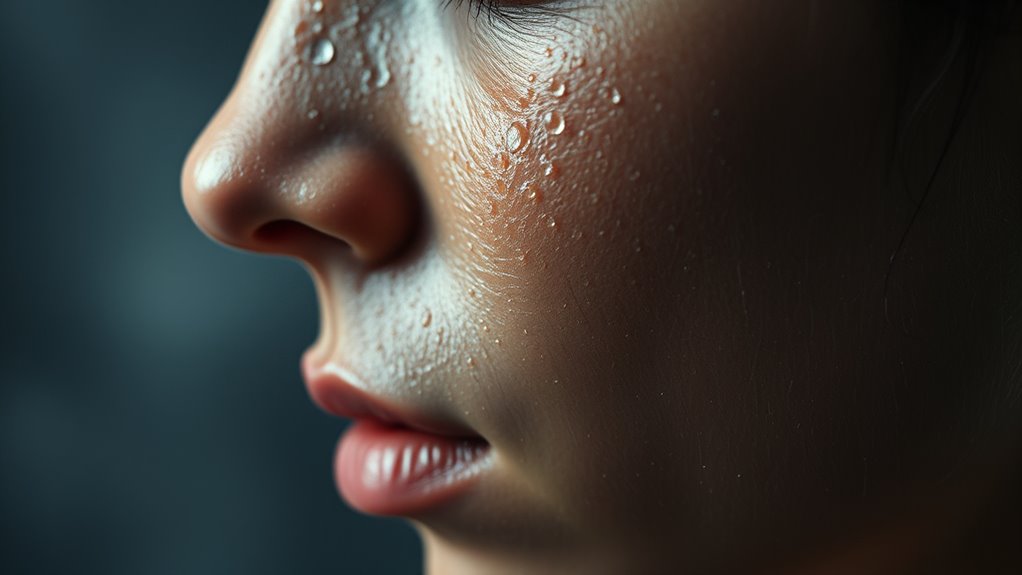
Crying is a universal human experience that serves both emotional and physiological purposes. When you feel overwhelmed, sad, or even extremely joyful, tears often follow as a natural response. This tear production isn’t just about shedding moisture; it’s deeply tied to your emotional regulation. When you cry, your body releases built-up tension, helping you process complex feelings. Tears act as a bridge between your emotional state and your physical self, signaling to others—and yourself—that you need support or a break. This connection between tear production and emotional regulation underscores crying‘s role as a crucial emotional release.
Your tears contain more than just water—they also carry stress hormones and toxins. When you cry, your body helps eliminate these substances, which can make you feel lighter afterward. This biochemical process highlights crying’s physiological benefits, as it aids in cleansing and resetting your emotional state. It’s a way your body manages stress, preventing emotional overload from lingering unchecked. The act of crying, consequently, becomes a form of self-care, allowing you to regain composure and clarity after intense moments.
Crying releases stress hormones and toxins, helping you feel lighter and reset emotionally.
Crying also triggers the release of endorphins, your body’s natural painkillers. These chemicals provide a soothing effect, reinforcing crying as not just an emotional outlet but also a way to physically feel better. When you cry, your nervous system is activated, helping you transition from distress to a calmer state. This process isn’t merely about expressing feelings externally; it also facilitates internal healing. You might notice that after tears have fallen, you often feel a sense of relief or even renewed hope, which illustrates how crying can serve as an emotional reset.
Furthermore, crying has social functions. When you shed tears in front of others, it signals vulnerability, prompting empathy and support. This social aspect reinforces emotional bonds, making crying a tool for connection. It’s a way for others to recognize your emotional needs without words and offer comfort. In this sense, crying is evolutionarily advantageous, fostering social cohesion and mutual understanding within communities.
Frequently Asked Questions
Can Crying Improve Mental Health Over Time?
Crying can improve your mental health over time by enhancing emotional regulation, helping you process feelings more effectively. When you cry, your body releases hormones that reduce stress, such as endorphins, which boost mood and provide hormonal effects that promote relaxation. Regularly expressing emotions through crying can lead to better mental resilience, making it easier to cope with future challenges and maintain overall emotional well-being.
Do Animals Cry Like Humans Do?
You might wonder if animals cry like humans do. While animals do express emotions through sounds, body language, and even tears, their tears serve different purposes, such as protecting the eyes from irritants. Unlike humans, who cry emotionally, animals don’t typically shed tears as a form of emotional expression. Their tears are more about eye health, not emotional release, highlighting differences in how species communicate feelings.
Is There a Cultural Difference in Crying Habits?
Yes, there are cultural differences in crying habits. You’ll notice that cultural expression heavily influences how freely people cry and how they interpret tears. Some societies see crying as a healthy way to regulate emotions, encouraging open emotional expression. Others view it as a sign of weakness, promoting emotional suppression. These differences shape your emotional regulation strategies, affecting how comfortable you feel expressing vulnerability through tears across various cultural contexts.
Can Crying Reduce Physical Pain?
They say, “A problem shared is a problem halved,” and crying can help. When you tear discharge during emotional release, it may also reduce physical pain by releasing stress hormones. Crying triggers your body’s natural painkillers and soothes the nervous system. So, yes, crying can lessen physical pain, providing emotional relief and helping you feel better physically.
How Does Crying Influence Social Bonding?
Crying strengthens social bonds by encouraging emotional contagion and social signaling. When you cry, others often respond with empathy and support, which deepens your connection. Your tears communicate vulnerability and sincerity, prompting caring responses that foster trust. This emotional exchange helps build a sense of community and mutual understanding, making crying a powerful tool for reinforcing social bonds and ensuring collective emotional well-being.
Conclusion
So, next time you’re caught mid-cry, just remember—you’re probably doing some ancient, evolutionary favor for yourself. Who knew that shedding tears was actually just your brain’s way of saying, “Hey, let’s turn on the waterworks and fix everything”? So go ahead, embrace the drama. After all, if crying’s good enough for our ancestors, it’s good enough for you—because nothing says “I’m emotionally healthy” quite like a good sob fest.