


If you struggle to believe you’re loved, it may stem from deep-seated insecurities rooted in childhood trauma and attachment issues. Past experiences like neglect or inconsistency can make trusting love difficult, causing you to doubt genuine affection. Unresolved emotional wounds influence how you see love, often making it feel conditional or fleeting. These patterns trigger trauma responses that distort your perception of safety and trust in relationships. Understanding these underlying causes can help you move toward healing and genuine connection.

Get gifts for the two of you delivered free with Prime
- Fast, free delivery on millions of items
- Prime Video, Amazon Music and more included
- Member-only deals all year
Key Takeaways
- Past trauma and insecure attachment styles create doubt about the sincerity of love.
- Childhood neglect or inconsistent caregiving foster mistrust and fear of abandonment.
- Emotional scars lead to perceiving love as conditional or fleeting.
- Trauma responses trigger self-protection mechanisms that hinder accepting love.
- Lack of emotional safety in previous relationships undermines trust in love’s stability.
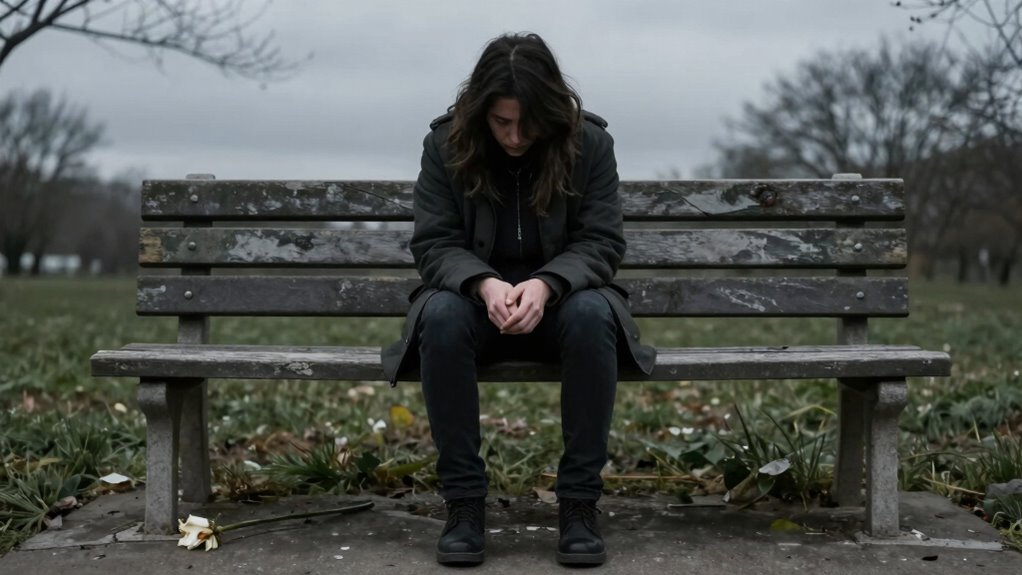
Many people find it hard to believe they are truly loved, often because past experiences or deep-seated insecurities shape their perceptions. If you’ve experienced attachment issues or childhood trauma, it’s common to doubt the sincerity of love directed your way. These early wounds can create a barrier, making it difficult to accept kindness or affection without suspicion. You might find yourself questioning whether someone truly cares or if their feelings are genuine, even when they show consistent support. It’s not a reflection of your worth but rather the result of unresolved emotional scars from your past.
Attachment issues rooted in childhood trauma can make you feel insecure about forming close bonds. When trust was broken early on—perhaps through neglect, abandonment, or inconsistent caregiving—you may have developed a protective mechanism that keeps you from fully opening up. You might fear rejection or abandonment so intensely that you unconsciously sabotage relationships or dismiss love altogether. This isn’t a conscious choice; it’s a survival strategy developed when your brain learned that vulnerability could lead to pain. Because these patterns are ingrained, accepting love can feel dangerous or unfamiliar, even when someone genuinely cares. Recognizing these attachment patterns is an important step toward healing and understanding your reactions.
Your past experiences may have also fostered a belief that love is conditional or fleeting. Childhood trauma can reinforce the idea that love isn’t reliable, so you keep your guard up to avoid disappointment. When someone offers affection, your mind might automatically search for signs that it’s too good to be true. You might dismiss compliments or push people away, convinced that they’ll eventually leave. This cycle can become self-fulfilling, as distance and mistrust push others away, confirming your fears. Recognizing the impact of early emotional wounds can help you understand why trusting love feels so challenging. Sometimes, these deep-seated insecurities influence your ability to accept affection, even when genuine love is present. Additionally, a lack of emotional safety in past relationships can make it harder to believe that love can be consistent and supportive.
Furthermore, understanding that trauma responses can influence your perception of love helps you see that your reactions may be rooted in survival mechanisms rather than current realities. Recognizing these patterns is the first step toward healing.
Understanding these patterns is the first step toward healing. Recognizing that your difficulty in accepting love stems from past wounds helps you see that it’s not about your current relationships. Therapy can help you unpack these issues, providing tools to challenge negative beliefs and build healthier attachments. It’s also important to practice self-compassion. Remind yourself that your struggles aren’t a reflection of your worth but a response to your history. With time and effort, you can reframe your perceptions of love, learning to accept it as genuine and safe. Remember, healing doesn’t happen overnight, but acknowledging your past is the first step toward allowing yourself to be loved fully.
Products Worth Considering

Hyperice Hypervolt Go 3 Percussion Massage Gun with Carry Case
Withings Sleep Under-Mattress Sleep Tracking Pad

Bowflex PR1000 Home Gym
As an affiliate, we earn on qualifying purchases.
Frequently Asked Questions
Can Therapy Help Improve Self-Love and Belief in Being Loved?
Yes, therapy can help improve your self-love and belief in being loved. Through self-esteem development, therapy guides you to recognize your worth and challenge negative beliefs. It also offers emotional validation, helping you process past experiences that hinder your self-confidence. By creating a safe space, therapy encourages you to accept yourself fully and trust that others can love you, ultimately strengthening your sense of belonging and self-acceptance.
How Do Childhood Experiences Influence Adult Perceptions of Love?
Childhood experiences shape your perception of love like a sculptor molds clay. If you experienced inconsistent affection or emotional scars, you might develop insecure attachment styles, making it hard to trust or feel loved as an adult. These early wounds influence how you interpret relationships, often causing doubts about your worthiness. Recognizing these patterns helps you understand that your perceptions are rooted in past experiences, not current reality.
Are There Specific Personality Traits Linked to Difficulty Accepting Love?
Yes, certain personality traits, like attachment issues and trust deficits, make it harder for you to accept love. If you struggle with attachment issues, you might fear abandonment or intimacy, blocking emotional closeness. Trust deficits cause you to doubt others’ intentions, making it tough to believe you’re truly loved. These traits can develop from past experiences, but awareness helps you work through barriers and open your heart to genuine affection.
Can Medication Affect Someone’s Ability to Feel Loved or Loved Others?
Medication can act like a fog drifting through your emotional landscape, sometimes causing side effects like emotional numbness. This numbness might make it harder for you to feel loved or love others, as it dulls your emotional responses. While medication can be helpful, it’s essential to work closely with your healthcare provider to manage side effects and guarantee your emotional well-being isn’t compromised in the process.
What Are Everyday Signs That Someone Struggles With Feeling Loved?
You might notice trust issues, such as doubting others’ intentions or hesitating to open up emotionally. Emotional barriers could keep you from fully engaging in relationships or accepting affection. You may often feel disconnected or suspicious of genuine love, struggling to believe you’re truly valued. These signs indicate that emotional hurdles are affecting how you perceive love, making it harder to feel secure and appreciated in your relationships.
Conclusion
Remember, believing you’re loved begins with breaking barriers of belief and building bridges of trust. By embracing your worth and recognizing genuine gestures, you’ll gradually dissolve doubts and discover daily doses of devotion. Don’t delay in daring to accept love — your journey to joy and genuine connection starts today. With willingness and warmth, you’ll witness how wonderful it is to truly feel loved, loved, and lovingly loved again.