


The best relationship advice book for most couples is The Seven Principles for Making Marriage Work, because it pairs decades of research with exercises you can actually apply between arguments. Two other standouts: Attached is the strongest pick if recurring patterns of anxiety or distance — not specific conflicts — are your main problem, and Fight Right is the most practical choice for couples who love each other but keep hurting each other in arguments. The main tradeoff in this category is between research-driven clinical guides that take commitment to work through and accessible pop-psychology books that motivate quickly but go shallow. There’s also a divide between books written for couples doing the work together and books aimed at one partner reading solo. I ranked all 12 across approach, evidence base, exercise quality, and fit for different relationship stages — keep reading for the full breakdown.

Get gifts for the two of you delivered free with Prime
- Fast, free delivery on millions of items
- Prime Video, Amazon Music and more included
- Member-only deals all year
Key Takeaways
- Books grounded in clinical research (Seven Principles, Attached, Secure Love) consistently offered more durable frameworks than motivational titles, but demanded more effort from the reader.
- Three of the twelve books (Rebuilding Trust, Communication Skills for Couples, Love More, Fight Less) are workbook-style rather than narrative — better for couples who want structured exercises, worse for readers who want to understand the ‘why‘ first.
- Gendered-advice titles (Act Like a Lady Think Like a Man, Why Men Love Bitches) ranked lower for long-term use because their tactics can create gameplaying dynamics, though they scored well on readability and short-term confidence-building.
- Attachment theory emerged as the strongest single explanatory framework in the lineup: both Attached and Secure Love cover it, but Attached explains the science while Secure Love focuses on repair practices — different jobs entirely.
- The biggest differentiator was audience fit: books aimed at married couples (Seven Principles, His Needs Her Needs) assume commitment, while dating-stage readers get more value from Attached or Act Like a Lady.
| Getting the Love You Want: A Guide for Couples, Third Edition |  | Best Overall for Couples | Format: Paperback | Edition: Third Edition | Target Audience: Committed couples | VIEW LATEST PRICE | See Our Full Breakdown |
| His Needs, Her Needs: Making Romantic Love Last |  | Best for Long-Married Couples | Format: Paperback | Target Audience: Married couples | Approach: Ten emotional needs framework | VIEW LATEST PRICE | See Our Full Breakdown |
| Act Like a Lady, Think Like a Man, Expanded Edition |  | Best Dating Guide for Women | Format: Paperback | Edition: Expanded Edition | Target Audience: Women in the dating phase | VIEW LATEST PRICE | See Our Full Breakdown |
| Rebuilding Trust: Guided Therapy Techniques and Activities to Restore Love, Trust, and Intimacy in Your Relationship |  | Best for Healing After a Breach of Trust | Format: Paperback | Target Audience: Couples healing from betrayal | Approach: Guided therapy techniques and activities | VIEW LATEST PRICE | See Our Full Breakdown |
| Attached: The New Science of Adult Attachment and How It Can Help You Find—and Keep—Love |  | Best for Understanding Your Relationship Patterns | Format: Paperback | Target Audience: Singles and couples seeking self-understanding | Approach: Adult attachment theory (anxious, avoidant, secure) | VIEW LATEST PRICE | See Our Full Breakdown |
| The Relationship Cure: A 5 Step Guide to Strengthening Your Marriage, Family, and Friendships |  | Best for All Relationship Types | Author: John Gottman | Format: Paperback | Framework: 5-step program | VIEW LATEST PRICE | See Our Full Breakdown |
| The Seven Principles for Making Marriage Work: A Practical Guide from the Country’s Foremost Relationship Expert |  | Best Overall for Married Couples | Author: John Gottman, PhD | Format: Paperback, revised edition | Framework: 7 principles | VIEW LATEST PRICE | See Our Full Breakdown |
| Why Men Love Bitches: From Doormat to Dreamgirl―A Woman’s Guide to Holding Her Own in a Relationship |  | Best Confidence Builder for Women | Author: Sherry Argov | Format: Paperback | Focus: Women’s self-respect in dating and relationships | VIEW LATEST PRICE | See Our Full Breakdown |
| Fight Right: How Successful Couples Turn Conflict Into Connection |  | Best for Conflict Resolution | Author: Julie Schwartz Gottman | Format: Hardcover | Focus: Conflict resolution for couples | VIEW LATEST PRICE | See Our Full Breakdown |
| Communication Skills for Couples: Guide to Improve Communication, Resolve Conflict, Deepen Intimacy, and Strengthen Marriage |  | Best Budget-Friendly Starter | Format: Paperback | Focus: Communication, conflict, and intimacy for couples | Approach: Practical strategy guide with exercises | VIEW LATEST PRICE | See Our Full Breakdown |
| Love More, Fight Less: Communication Skills Every Couple Needs | 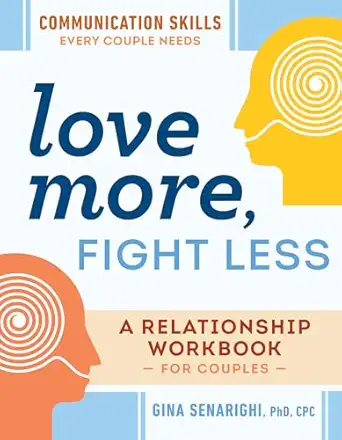 | Best Workbook Format | Format: Paperback workbook | Primary Focus: Couple communication skills | Structure: Guided exercises and prompts | VIEW LATEST PRICE | See Our Full Breakdown |
| Secure Love: Create a Relationship That Lasts a Lifetime |  | Best for Long-Term Security | Format: Book (print and digital editions) | Primary Focus: Long-term relationship security and emotional bonding | Intended Audience: Couples seeking lifelong commitment | VIEW LATEST PRICE | See Our Full Breakdown |
| relationship advice book | Format | Approach | Primary Focus | Reading Style |
|---|---|---|---|---|
| Getting the Love You Want: A G | Paperback | Imago therapy-based | Intimacy, communication, conflict resolution | — |
| His Needs | Paperback | Ten emotional needs framework | Sustaining romantic love in marriage | Practical checklist-driven |
| Act Like a Lady | Paperback | — | Understanding men’s views on love and commitment | — |
| Rebuilding Trust: Guided Thera | Paperback | Guided therapy techniques and activities | Trust restoration and intimacy repair | — |
| Attached: The New Science of A | Paperback | Adult attachment theory (anxious, avoidant, secure) | Attachment patterns in love | Research-driven explanatory |
| The Relationship Cure: A 5 Ste | Paperback | Research-based emotional connection | — | Workbook-style with exercises |
| The Seven Principles for Makin | Paperback, revised edition | Observational research with couple exercises | — | In-depth with structured activities |
| Why Men Love Bitches: From Doo | Paperback | Anecdote-driven advice, not clinical research | — | — |
| Fight Right: How Successful Co | Hardcover | Practical strategies from Gottman Institute research | — | Practical guide with couple techniques |
| Communication Skills for Coupl | Paperback | Practical strategy guide with exercises | — | Short, direct, actionable |
| Love More | Paperback workbook | — | Couple communication skills | — |
| Secure Love: Create a Relation | Book (print and digital editions) | Practical advice with emotional-bond framework | Long-term relationship security and emotional bonding | — |
More Details on Our Top Picks
Getting the Love You Want: A Guide for Couples, Third Edition
Getting the Love You Want earns the top spot because it goes beyond communication tips and addresses why couples keep having the same fights. Built on Imago therapy principles, it frames conflict as a doorway to deeper intimacy rather than a problem to suppress. Compared with His Needs, Her Needs, which works from a checklist of emotional needs, this book digs into the unconscious patterns partners bring from childhood — a more demanding read, but one with more lasting payoff. The structured exercises make it closer to a guided workshop than passive reading. The tradeoff: couples in acute crisis may find the pace slow, and it works best when both partners actually do the exercises rather than skim them.
Pros:- Rooted in a proven therapeutic framework (Imago therapy) rather than opinion
- Includes structured exercises couples can do together, not just theory
- The updated third edition refines concepts for modern relationships
- Addresses root causes of conflict, not just surface communication
Cons:- Requires genuine effort from both partners — skimming it yields little
- The therapeutic framing can feel slow or academic for couples wanting quick fixes
Best for: Committed couples who repeat the same arguments and want a structured, workbook-style program they can do together
Not ideal for: Singles or casual daters — this is couple-focused therapy work, not a dating strategy guide
- Format:Paperback
- Edition:Third Edition
- Target Audience:Committed couples
- Approach:Imago therapy-based
- Includes Exercises:Yes
- Primary Focus:Intimacy, communication, conflict resolution
Our verdict“If you and your partner are willing to do the work together, this is the most complete couples program on this list.”
His Needs, Her Needs: Making Romantic Love Last
Where Getting the Love You Want asks you to examine your childhood wounds, His Needs, Her Needs takes the opposite approach: identify the ten most vital emotional needs, rank your own, and learn your partner’s. That simplicity is its greatest strength for marriages that have drifted into roommate territory — it gives exhausted couples a concrete vocabulary instead of abstract theory. The checklist format means you can start applying it in a single evening. The tradeoff is the heteronormative framing baked into the title and structure, and some readers find the needs framework overly rigid compared with the more flexible approach of The Seven Principles for Making Marriage Work. Still, for a long marriage that needs practical maintenance rather than deep excavation, this is the more accessible entry point.
Pros:- Simple needs-checklist format is easy to apply immediately
- Gives couples shared vocabulary for expressing dissatisfaction
- Specifically aimed at sustaining love over decades, not just dating
- Less intimidating than clinically oriented alternatives
Cons:- Heavily heteronormative framing limits its relevance for many readers
- The rigid framework can feel reductive for complex relationship problems
Best for: Long-married couples who feel disconnected and want a simple, actionable framework rather than therapy-style reflection
Not ideal for: Same-sex couples and readers who bristle at rigid gender-based framings of relationship needs
- Format:Paperback
- Target Audience:Married couples
- Approach:Ten emotional needs framework
- Primary Focus:Sustaining romantic love in marriage
- Reading Style:Practical checklist-driven
- Best Setting:Long-term committed relationships
Our verdict“A pragmatic maintenance manual for traditional marriages that need structure more than soul-searching.”
Act Like a Lady, Think Like a Man, Expanded Edition
Everything else in this lineup is written for couples; Act Like a Lady, Think Like a Man is the pick for women still in the dating phase who want a blunt, entertaining read about how men approach commitment. Steve Harvey’s conversational, sometimes uproarious voice makes this the most skimmable book here — a stark contrast to the research-heavy tone of Attached. The expanded edition adds updated material that keeps it relevant to modern dating. The tradeoffs are real: the advice generalizes heavily about male behavior, the perspective is strictly heterosexual, and readers wanting nuance will find it thin compared with psychology-based titles. Think of it as a candid conversation with a straight-talking friend rather than a clinical guide — valuable for perspective, limited for depth.
Pros:- Highly readable, entertaining voice that keeps pages turning
- Filled with memorable, concrete standards readers can apply while dating
- Expanded edition includes updated content for modern dating
- One of the few picks here aimed at singles rather than established couples
Cons:- Broad generalizations about men can feel reductive
- Focused exclusively on heterosexual dating dynamics
Best for: Heterosexual women in the dating phase who want an entertaining, direct perspective on male behavior and standards
Not ideal for: Readers seeking research-backed insight, LGBTQ+ daters, or anyone who finds gender-generalized advice off-putting
- Format:Paperback
- Edition:Expanded Edition
- Target Audience:Women in the dating phase
- Author Background:Comedian and television host
- Tone:Conversational and humorous
- Primary Focus:Understanding men’s views on love and commitment
Our verdict“A fun, opinionated dating manual — read it for perspective and entertainment, not for clinical depth.”
Rebuilding Trust: Guided Therapy Techniques and Activities to Restore Love, Trust, and Intimacy in Your Relationship
Most books in this roundup assume a basically healthy relationship that needs tuning; Rebuilding Trust is for relationships already broken by betrayal — infidelity, deception, or repeated broken promises. Its guided therapy techniques and structured activities function almost like sessions with a counselor, which sets it apart from the reflective approach of Getting the Love You Want and makes it the obvious choice when the problem is specifically trust erosion. Compared with Fight Right, which optimizes ordinary conflict, this book tackles the heavier repair work that follows a genuine rupture. The honest tradeoff: healing of this kind takes months of committed effort, and no workbook substitutes for a live therapist when the damage is severe. It is a starting point for repair, not a guarantee of it.
Pros:- Directly addresses betrayal recovery, a gap in most relationship books
- Guided activities approximate the structure of therapy sessions
- Practical and action-oriented rather than purely theoretical
- Works for couples willing to heal but unsure where to start
Cons:- Real trust repair demands sustained effort over months, not quick reading
- Cannot replace professional help in cases of serious betrayal or abuse
Best for: Couples recovering from infidelity or betrayal who want structured, therapy-style activities to guide the repair process
Not ideal for: Couples dealing with abuse or severe trauma — those situations call for a licensed therapist, not a workbook
- Format:Paperback
- Target Audience:Couples healing from betrayal
- Approach:Guided therapy techniques and activities
- Primary Focus:Trust restoration and intimacy repair
- Includes Activities:Yes
- Best Setting:Post-betrayal recovery
Our verdict“The clear choice when the specific problem is broken trust and both partners are committed to repairing it.”
Attached: The New Science of Adult Attachment and How It Can Help You Find—and Keep—Love
Attached is the intellectual backbone of this list: it explains attachment theory — anxious, avoidant, and secure styles — and shows how these patterns quietly shape every relationship you have. While His Needs, Her Needs catalogs surface-level needs, this book explains the underlying machinery that drives why you cling, withdraw, or chase unavailable partners. That self-knowledge angle makes it equally useful for singles and coupled readers, a versatility few titles here can claim. Written by a psychologist, it grounds its advice in decades of research rather than one author’s opinions. The tradeoffs: the prose leans academic in stretches, and readers wanting scripts or exercises will prefer the workbook style of Love More, Fight Less. Read this for the diagnosis; read the others for the treatment.
Pros:- Grounded in decades of peer-reviewed attachment research
- Equally valuable for singles and people in relationships
- Delivers genuine self-insight into recurring dating and relationship patterns
- Written by a psychologist with clinical authority
Cons:- Denser, more technical prose than self-help readers may expect
- Diagnostic rather than prescriptive — light on step-by-step exercises
Best for: Readers who keep repeating the same relationship patterns and want a research-based explanation of why
Not ideal for: Action-first readers who want scripts and exercises immediately — the theory-first approach may frustrate them
- Format:Paperback
- Target Audience:Singles and couples seeking self-understanding
- Approach:Adult attachment theory (anxious, avoidant, secure)
- Evidence Base:Psychological research
- Primary Focus:Attachment patterns in love
- Reading Style:Research-driven explanatory
Our verdict“The essential first read if you want to understand your patterns before trying to fix your relationship.”
The Relationship Cure: A 5 Step Guide to Strengthening Your Marriage, Family, and Friendships
Most marriage books on this list, like The Seven Principles for Making Marriage Work, narrow their focus to romantic partnerships. The Relationship Cure takes the opposite approach: its 5-step framework applies to spouses, siblings, parents, and friends alike, which makes it the rare advice book that earns shelf space for its range. Grounded in decades of research on emotional connection, it teaches readers to recognize small bids for connection — the micro-moments most of us miss entirely.
The tradeoff is depth. Because it spreads itself across so many relationship types, couples in serious distress may get more targeted help from Fight Right. And the 5-step system demands real practice; it is a workbook-style commitment, not a weekend read.
Pros:- Applies to marriages, family relationships, and friendships, not just romance
- Structured 5-step approach makes the advice actionable rather than abstract
- Backed by decades of Gottman research on emotional connection
- Teaches the concept of ‘bids for connection,’ a skill with immediate daily use
Cons:- Broad scope dilutes depth on any one relationship type
- Requires sustained practice — not a quick-fix read
Best for: Readers who want one framework that improves their marriage, family bonds, and friendships simultaneously
Not ideal for: Couples in crisis who need focused marital therapy techniques — broader scope means less depth on any single relationship
- Author:John Gottman
- Format:Paperback
- Framework:5-step program
- Focus:Marriage, family, and friendships
- Approach:Research-based emotional connection
- Reading style:Workbook-style with exercises
Our verdict“Buy this if you want a single research-backed framework for every important relationship in your life, not just your marriage.”
The Seven Principles for Making Marriage Work: A Practical Guide from the Country’s Foremost Relationship Expert
If one book on this list earns the top spot for married readers, it is this one. The Seven Principles for Making Marriage Work distills observational research on thousands of couples into seven concrete principles, giving it an evidence base that lighter reads like Why Men Love Bitches simply cannot match. Where Attached explains your relational wiring, this book tells you what to actually do about it — with exercises couples can work through together.
The catch: it is dense. Readers wanting a fast, entertaining pep talk will stall halfway through, and it explicitly avoids quick fixes. Compared with Fight Right, it covers the whole marriage rather than conflict alone, but with less immediacy.
Pros:- Built on decades of Gottman research observing real couples
- Seven clear principles give couples a shared vocabulary and roadmap
- Includes practical exercises to complete together, not just theory
- Widely recommended by couples therapists as a first assignment
Cons:- Dense, textbook-like pace can lose casual readers
- Offers no shortcuts — results depend on completing the exercises over months
Best for: Committed couples who want a research-backed, systematic plan to strengthen a functional but imperfect marriage
Not ideal for: Readers seeking a quick, entertaining self-help read — the density and exercise load demand genuine effort
- Author:John Gottman, PhD
- Format:Paperback, revised edition
- Framework:7 principles
- Focus:Marriage specifically
- Approach:Observational research with couple exercises
- Reading style:In-depth with structured activities
Our verdict“The most reliable long-term investment for married couples willing to do the work — skip it if you want light, fast reading.”
Why Men Love Bitches: From Doormat to Dreamgirl―A Woman’s Guide to Holding Her Own in a Relationship
Where most entries in this roundup are research-driven, this one is a mindset reset. Why Men Love Bitches (the title is provocative on purpose — ‘bitch’ here means self-respect, not cruelty) argues that women who abandon their own lives and boundaries become less attractive partners. Compared with Act Like a Lady, Think Like a Man, it leans less on decoding male psychology and more on rebuilding self-worth from the inside.
Be honest about fit: the tone is sassy and the gender generalizations are dated, and it will frustrate readers in egalitarian or non-heterosexual partnerships. But for someone stuck in people-pleasing patterns, its blunt, funny delivery lands where The Seven Principles would feel like homework.
Pros:- Directly addresses people-pleasing and boundary-setting patterns
- Entertaining, conversational tone makes it easy to finish
- Principles are memorable and immediately applicable to dating behavior
Cons:- Relies heavily on gender stereotypes that many readers will find dated
- Focuses on early-stage dating dynamics more than long-term partnership repair
Best for: Women who habitually over-give and lose themselves in relationships and want a blunt, entertaining wake-up call
Not ideal for: Readers in same-sex or strongly egalitarian partnerships — the advice is built on heteronormative gender dynamics
- Author:Sherry Argov
- Format:Paperback
- Focus:Women’s self-respect in dating and relationships
- Tone:Humorous, direct, provocative
- Approach:Anecdote-driven advice, not clinical research
- Audience:Women in heterosexual relationships
Our verdict“Pick this for a confidence jolt if you lose yourself in relationships — choose Gottman instead if you want research over attitude.”
Fight Right: How Successful Couples Turn Conflict Into Connection
Every couple fights; the differentiator is how. Fight Right zeroes in exclusively on that problem, making it the most targeted conflict manual in this lineup. Compared with The Seven Principles for Making Marriage Work, which treats conflict as one chapter among many, this book goes granular — identifying fight patterns, de-escalation moves, and repair attempts that turn arguments into closeness rather than distance.
That single-issue focus is also its limitation. If your problems are about distance, trust, or mismatched desire rather than arguments, a broader book or something like Rebuilding Trust fits better. And implementing the techniques mid-argument is genuinely hard without practice. Still, for couples whose fights go nowhere, nothing else here is this specific.
Pros:- Entirely dedicated to conflict, with far more depth than general marriage guides
- Teaches concrete de-escalation and repair techniques usable mid-argument
- Reframes conflict as a path to connection rather than a threat
Cons:- Narrow scope leaves trust, intimacy, and distance issues unaddressed
- Techniques require real practice to use when emotions run high
Best for: Couples whose recurring arguments never get resolved and who want a playbook specifically for fighting better
Not ideal for: Couples dealing with trust breaches or emotional distance rather than overt conflict — this book stays narrowly on arguments
- Author:Julie Schwartz Gottman
- Format:Hardcover
- Focus:Conflict resolution for couples
- Approach:Practical strategies from Gottman Institute research
- Core premise:Conflict can be converted into connection
- Reading style:Practical guide with couple techniques
Our verdict“The clear choice if fighting badly is your core problem — pair it with a broader book like The Seven Principles for full coverage.”
Communication Skills for Couples: Guide to Improve Communication, Resolve Conflict, Deepen Intimacy, and Strengthen Marriage
Not everyone needs 300 pages of research citations to fix how they talk to their partner. Communication Skills for Couples works as the accessible entry point of this roundup: short, direct, and organized around exactly what its cover promises — talk better, fight better, get closer. Compared with Love More, Fight Less, which covers similar communication ground, this one aims broader by folding intimacy-building into the same package, and it asks less of the reader upfront.
The tradeoff is authority and depth. It lacks the clinical pedigree of The Seven Principles or the Gottman name behind Fight Right, and its exercises are simpler — helpful for getting started, thin for entrenched problems. Think of it as a first rung, not a final answer.
Pros:- Approachable format that beginners can finish without feeling overwhelmed
- Covers communication, conflict, and intimacy in one inexpensive package
- Practical techniques can be applied immediately
Cons:- Lacks the research grounding and author recognition of Gottman-backed titles
- Depth is thin — a starter book rather than a lasting reference
Best for: Couples new to relationship self-help who want an affordable, low-effort starting point before committing to denser expert books
Not ideal for: Couples with long-standing communication breakdowns — the lightweight exercises lack the depth serious repair requires
- Format:Paperback
- Focus:Communication, conflict, and intimacy for couples
- Approach:Practical strategy guide with exercises
- Difficulty level:Beginner-friendly
- Reading style:Short, direct, actionable
- Audience:Couples new to relationship self-help
Our verdict“A sensible, budget-friendly first step for couples beginning self-help — graduate to heavier titles if problems persist.”
Love More, Fight Less: Communication Skills Every Couple Needs
Love More, Fight Less earns its spot as the most exercise-driven pick in this lineup. Where Fight Right explains the theory behind productive conflict, this workbook makes you practice it — filling in prompts, working through scenarios, and building communication habits as a couple. That difference matters for buyers who learn by doing rather than reading.
The tradeoff is real, though: this is not a passive read. Compared with Attached, which rewards solo reading with deep self-understanding, this book demands active participation from both partners, and it loses much of its value if only one person engages. Couples already in crisis may also find exercises feel premature before deeper issues are addressed.
Pros:- Hands-on exercises build skills through practice rather than passive reading
- Focused specifically on communication, the most common relationship pain point
- Approachable for couples at any stage, from dating to long-married
- Works well as a companion to theory-heavy books like Fight Right
Cons:- Requires genuine effort and participation from both partners to deliver results
- Less useful for couples dealing with deep-rooted issues like betrayal or trauma
Best for: Motivated couples who want structured homework and exercises to practice communication skills together, not just read about them
Not ideal for: Couples where one partner won’t participate, or readers who prefer theory and narrative over workbook prompts
- Format:Paperback workbook
- Primary Focus:Couple communication skills
- Structure:Guided exercises and prompts
- Intended Audience:Couples at any relationship stage
- Participation Level:High — designed for two people
- ASIN:0593196651
Our verdict“Buy this if you and your partner will actually do the work together; skip it if either of you wants a read-only solution.”
Secure Love: Create a Relationship That Lasts a Lifetime
Secure Love occupies the long-haul security niche in this roundup. Its focus on building lasting emotional bonds sets it apart from tactical picks like Communication Skills for Couples, which zeroes in on conflict resolution mechanics. This book asks a bigger question: how do you build a relationship durable enough to last decades, not just survive the next argument?
That ambition comes with limitations. Compared with Attached, which grounds its security framework in decades of attachment research, Secure Love offers less documented evidence and fewer verifiable credentials behind its approach. The absence of a substantial review history also means buyers are taking more of a chance here than with established titles like The Seven Principles for Making Marriage Work. For readers who prioritize proven frameworks, that gap matters.
Pros:- Frames advice around lifelong partnership rather than short-term troubleshooting
- Emphasizes emotional security, a foundation that benefits every other relationship skill
- Broad enough to help couples at many stages of commitment
- Simpler entry point than denser research-based titles
Cons:- Thin track record with limited reviews and ratings to validate the advice
- Lacks the scientific grounding of attachment-research titles like Attached
Best for: Committed couples and engaged partners thinking in decades, who want guidance oriented around permanence rather than quick fixes
Not ideal for: Research-minded readers who want studies, data, or an author with documented therapeutic credentials
- Format:Book (print and digital editions)
- Primary Focus:Long-term relationship security and emotional bonding
- Intended Audience:Couples seeking lifelong commitment
- Approach:Practical advice with emotional-bond framework
- Participation Level:Moderate — readable solo or as a couple
- ASIN:B0C94WMTPS
Our verdict“A reasonable choice for couples prioritizing long-term emotional security, but readers wanting proven methodology should lean toward Attached or The Seven Principles instead.”

How We Picked
I evaluated each book on four criteria. First, the evidence base: books built on published research or the authors’ clinical casework (Gottman, Levine, Tatkin) scored higher than opinion-driven advice, because relationship patterns are easy to describe but harder to validate. Second, actionability — whether the book gives concrete exercises, scripts, or diagnostic tools rather than only insights. A book that explains why you fight but never tells you what to say next Tuesday leaves you stuck. Third, audience fit: some books assume a committed couple working together, while others are written for a solo reader, and ranking them against each other without that context would be misleading.
Fourth, I weighed longevity versus immediate appeal. Motivational titles often feel transformative in week one but lack depth for serious problems like betrayal or chronic contempt. Books ranked highest when their advice held up across relationship stages — dating, committed, married, or repairing. Ranking also reflected how honestly each book handles tradeoffs: authors who admit their methods require real effort outperformed those promising quick fixes.
| relationship advice book | Format | Reading Style |
|---|---|---|
| Getting the Love You Want: A G | Paperback | — |
| His Needs | Paperback | Practical checklist-driven |
| Act Like a Lady | Paperback | — |
| Rebuilding Trust: Guided Thera | Paperback | — |
| Attached: The New Science of A | Paperback | Research-driven explanatory |
| The Relationship Cure: A 5 Ste | Paperback | Workbook-style with exercises |
| The Seven Principles for Makin | Paperback, revised edition | In-depth with structured activities |
| Why Men Love Bitches: From Doo | Paperback | — |
| Fight Right: How Successful Co | Hardcover | Practical guide with couple techniques |
| Communication Skills for Coupl | Paperback | Short, direct, actionable |
| Love More | Paperback workbook | — |
| Secure Love: Create a Relation | Book (print and digital editions) | — |
Factors to Consider When Choosing Relationship Advice Books
Choosing a relationship book is less about finding the ‘best’ one and more about matching the book to your specific problem and reading style. Before buying, think through the following factors.Match the Book to the Actual Problem
The most common mistake buyers make is grabbing a general communication book when the real issue is trust, attachment anxiety, or a values mismatch. A communication workbook will do little for a couple recovering from an affair — that situation calls for trust-repair material like Rebuilding Trust. Similarly, if you feel anxious or avoidant in relationships across partners, the problem predates your current relationship, and attachment-focused books address the root rather than the symptom. Ask yourself: is this a conflict-style problem, a connection problem, or a trust problem? The answer should drive your purchase, not the book’s bestseller rank. Buying the wrong category of advice often leads couples to conclude ‘books don’t work for us’ when they simply bought a screwdriver for a nail.
One Reader or Two?
Some of the most effective books in this category assume both partners read and do exercises together; they lose much of their power if only one person participates. Workbooks like Love More, Fight Less are nearly useless solo, while books like Attached or Act Like a Lady, Think Like a Man work fine for a single reader trying to change their own patterns. Be honest about whether your partner will actually read it. If they won’t, choose a book designed for solo readers that changes the dynamic from one side — this genuinely works, since one partner shifting their responses changes the couple’s system. Couples who buy two-partner books and then read them alone often end up resentful on top of their original problem.
Science-Backed Versus Opinion-Driven
There’s a real tradeoff between research-heavy books and personality-driven advice titles. Research-based books (Gottman’s observational studies, attachment research) tend to be denser, slower reads, but their recommendations have been tested against real outcomes. Opinion-driven books are faster, more entertaining, and sometimes exactly the confidence boost a struggling reader needs — but tactics can reflect one author’s worldview more than evidence. A useful middle test: does the author cite where their claims come from, or do they mostly tell stories? Neither style is wrong, but mismatched expectations cause buyers to abandon rigorous books as boring or dismiss lighter books as fluff. Ideally, blend one of each: a framework book and a motivational one.
Workbook or Narrative Format
Decide early whether you want to read about your relationship or work on it, because the formats suit different temperaments. Workbooks with prompts, quizzes, and fill-in exercises produce more behavior change for hands-on couples, but they demand scheduled time together and can feel like homework — a chore for couples already exhausted by conflict. Narrative books build shared understanding and vocabulary first, which matters when you can’t even discuss the problem calmly yet. Many couples do best reading a narrative book first, then moving to a workbook once they understand the diagnosis. If either partner resists structured exercises, start narrative; forcing workbook participation tends to backfire.
Relationship Stage and Commitment Level
Books written for marriage assume a baseline of commitment that dating-stage readers don’t have, and their advice can feel premature or heavy six months into dating. Conversely, dating-oriented books about attraction and boundaries offer little to a married couple facing resentment after ten years and two kids. Check who the author says the book is for — most state it in the introduction. A practical approach is to buy for the stage you’re in, not the stage you hope to reach. Dating readers get more from attachment or self-respect focused titles; long-married couples get more from repair, conflict, and friendship-rebuilding material.
Price, Editions, and When to Pay More
Most relationship books sit between ten and twenty dollars, so price rarely separates winners here — but editions and formats do. Several titles in this category have expanded or third editions with updated research and new exercises, and buying an older used edition can mean missing the most useful material. Audiobooks work well for narrative titles but poorly for workbooks with prompts, since you can’t pause and journal while driving. One place spending more pays off: if a book includes companion worksheets or online assessments, the newer hardback or official edition usually unlocks them, while bargain versions don’t. For couples in serious distress, a twenty-dollar book is also a cheap trial before committing to hundreds per session of couples counseling.
Frequently Asked Questions
Can a relationship advice book actually fix a struggling relationship, or do we need therapy?
A good book can meaningfully improve conflict patterns, communication habits, and understanding — especially for couples whose problems are skill-based rather than trauma-based. Books work best when both partners read them willingly and practice the exercises, and research-backed titles like The Seven Principles for Making Marriage Work were explicitly developed from clinical observation. However, books have real limits: active addiction, ongoing affairs, abuse, or deep individual mental health issues typically need a professional. A reasonable approach is to treat a book as a low-cost first intervention, give it a genuine month of effort, and use therapy if patterns don’t budge. Many couples also use books alongside therapy to keep momentum between sessions.
What if my partner won’t read the book with me?
This is one of the most common situations, and several books in this roundup are designed for exactly it. Solo-friendly titles like Attached or Secure Love teach you to change your own responses, which measurably shifts the couple’s dynamic since relationships are systems — when one person stops pursuing or withdrawing in old patterns, the other adapts. Avoid workbooks that require two participants; they’ll only build resentment. Don’t lecture your partner with quotes from the book, either, as that reliably backfires. Instead, model the changes and let results do the persuading. Some reluctant partners come around after noticing a genuine difference, at which point a couples workbook becomes viable.
Should I start with an attachment theory book like Attached or a practical marriage guide?
It depends on whether your problem is a pattern or a skill gap. If you notice the same anxieties, distancing, or partner choices recurring across relationships, start with Attached — understanding your attachment style explains more than any communication tip can. If you’re in a solid relationship that’s degrading through specific issues like arguments, drifting apart, or poor listening, a practical guide such as The Seven Principles or Fight Right will produce faster visible change. They’re not mutually exclusive: many readers use attachment theory to understand themselves and a skills book to change daily behavior. If you can only buy one and you’re unsure, the attachment book usually reveals which problem you actually have.
Are gendered advice books like Act Like a Lady, Think Like a Man helpful for serious relationships?
They serve a different purpose than clinical titles, and it’s worth being clear-eyed about that. Books like Act Like a Lady, Think Like a Man and Why Men Love Bitches excel at building self-respect, boundaries, and confidence, particularly for readers who habitually over-give or lose themselves in relationships. Their weakness is durability: framing relationships as strategic games between men and women can undermine the direct honesty that long-term partnerships run on. If you’re dating and tending to pursue too hard or tolerate poor treatment, these books can be a useful corrective. For married couples or those repairing a committed relationship, research-based titles will serve you better, since lasting intimacy requires dropping tactics, not refining them.
Which book should I buy if trust has already been broken, through an affair or repeated lies?
That’s a distinct situation that most general relationship books handle only briefly, and it deserves targeted material. Rebuilding Trust was written specifically for this scenario, with guided techniques and structured activities for the betrayal-repair process, which is far more useful here than communication tips. Pair it with Secure Love if the underlying attachment bond feels shattered, since trust repair is partly about rebuilding emotional safety, not just honesty. Expect the process to be slower than a standard communication fix — trust researchers consistently find it takes sustained reliable behavior over months, not a breakthrough conversation. Also be honest about whether both partners are committed to repair; a book cannot substitute for the betraying partner’s genuine accountability.
Conclusion
For most couples, The Seven Principles for Making Marriage Work is the best overall choice — it combines the strongest evidence base in the field with exercises that produce visible change, and it earns its top spot by being equally useful for strengthening a good marriage and repairing a strained one. For the best value, Attached delivers the most insight-per-dollar in the lineup, explaining patterns that affect every relationship you’ll ever have. Best for beginners goes to Fight Right: it’s short, readable, and targets the single most common couple problem without demanding background knowledge. For readers who want the premium, deepest-dive option, Secure Love offers the most sophisticated framework for building lasting emotional safety. By specific need: choose Rebuilding Trust after betrayal, Communication Skills for Couples or Love More, Fight Less if you want a hands-on workbook, His Needs, Her Needs for a faith-friendly classic on meeting each other’s needs, and The Relationship Cure if you want principles that extend to family and friendships too. Solo readers working on themselves should reach for Attached or Act Like a Lady, Think Like a Man. Whatever you pick, the deciding factor is honesty about your actual problem — the right book for your situation will always outperform the most popular one.
Columbus Day / Indigenous Peoples' Day Picks
long weekend sales
As an affiliate, we earn on qualifying purchases.