


Couples communication tools generally fall into three camps: conversation card games that make talking feel playful, structured workbooks that teach conflict-resolution skills, and daily journals that build connection in small doses. After comparing 14 popular options across these formats, the 8-Week Couples Therapy Workbook stands out as the best overall pick because it delivers the most actionable communication skills in a realistic time commitment. If your relationship needs lighter help, the WE’RE NOT REALLY STRANGERS Couples Edition is the strongest card-based option, while The Seven Principles for Making Marriage Work is the deepest resource for couples facing serious recurring conflict. The main tradeoff in this category is depth versus ease: workbooks demand real effort but produce lasting change, while card games get used more often but rarely fix problematic patterns. Keep reading for the full breakdown of which tool fits your situation.

Get gifts for the two of you delivered free — and shop member deals
- Fast, free delivery on millions of items
- Access to Prime Big Deal Days deals on October 6–7
- Prime Video, Amazon Music and more included
Key Takeaways
- Format predicts outcome better than price: card games like WE’RE NOT REALLY STRANGERS get used weekly but address surface-level conversation, while workbooks like the 8-Week Couples Therapy Workbook require commitment but teach transferable conflict skills.
- Couples in active conflict benefited most from skills-based books (Love More, Fight Less; The Seven Principles) rather than question cards, which can actually feel forced when tension is high.
- Card decks with tiered or escalating questions (WE’RE NOT REALLY STRANGERS, Let’s Get Deep) outperformed flat single-level decks like the Couples Connection Cards for building real intimacy over time.
- Low-effort formats like A Year of Us (one prompt a day) had the highest long-term adherence — the best tool is the one you’ll actually keep using after week two.
- Communication Skills for Couples fills a specific gap: it scripts exact phrases for hard conversations, which none of the card games or general workbooks attempt.
| WE’RE NOT REALLY STRANGERS Couples Edition, Conversation Card Game |  | Best Overall | Number of Cards: 150 | Card Structure: 3 question levels plus wildcards | Players: 2 | VIEW LATEST PRICE | See Our Full Breakdown |
| 8-Week Couples Therapy Workbook: Essential Strategies to Connect, Improve Communication, and Strengthen Your Relationship |  | Best Structured Program | Format: Paperback workbook | Program Length: 8 weeks | Content Type: Guided exercises and communication strategies | VIEW LATEST PRICE | See Our Full Breakdown |
| Couples Communication Workbook: 20 Minutes a Day for 12 Days to Improve Listening, Resolve Conflicts, and Strengthen Your Relationship |  | Best for Busy Couples | Format: Workbook | Program Length: 12 days | Daily Time Required: 20 minutes | VIEW LATEST PRICE | See Our Full Breakdown |
| BestSelf Intimacy Deck – 170 Conversation Cards for Couples |  | Best Premium Card Deck | Number of Cards: 170 | Topics: 7 curated categories | Brand: BestSelf Co. | VIEW LATEST PRICE | See Our Full Breakdown |
| Couples Connection Cards – 50 Conversation Starters for Couples |  | Best Budget Pick and Travel Companion | Number of Cards: 50 | Format: Compact physical card deck | Relationship Stage: All stages | VIEW LATEST PRICE | See Our Full Breakdown |
| Love More, Fight Less: Communication Skills Every Couple Needs | 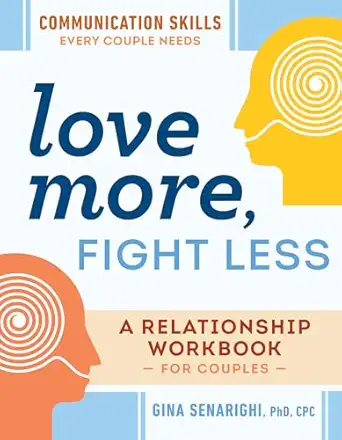 | Best Workbook for Conflict-Heavy Couples | Format: Relationship workbook with exercises | Focus: Conflict resolution and communication skills | Approach: Practical exercises and insights | VIEW LATEST PRICE | See Our Full Breakdown |
| Let’s Get Deep: A Couples Question Card Game |  | Best Card Game for Progressive Depth | Game Type: Question card game | Intended Audience: Adults 17+ | Card Categories: Ice Breaker, Deep, Deeper, Activity | VIEW LATEST PRICE | See Our Full Breakdown |
| Communication Skills for Couples: Guide to Improve Communications, Resolve Conflict, Deepen Intimacy, Strengthen Marriage and Create a Healthy Relationship |  | Best Straight-Read Guide | Format: Advice guide (book) | Focus: Communication, conflict resolution, intimacy, marriage | Approach: Practical strategies, no exercises | VIEW LATEST PRICE | See Our Full Breakdown |
| Communicate Your Feelings (Without Starting a Fight): What to Say and What Not to Say to Your Partner |  | Best for the Conflict-Avoidant Partner | Format: Advice book | Focus: Expressing feelings without triggering conflict | Approach: Scripted phrases — what to say and what not to say | VIEW LATEST PRICE | See Our Full Breakdown |
| A Year of Us: A Couple’s Journal: One Question a Day to Spark Fun and Meaningful Conversations |  | Best Daily Ritual Builder | Format: Couple’s journal | Structure: One question per day for a year | Focus: Fun and meaningful daily conversation | VIEW LATEST PRICE | See Our Full Breakdown |
| The Seven Principles for Making Marriage Work: A Practical Guide from the Country’s Foremost Relationship Expert |  | Best for Understanding the Why | Format: Paperback book | Author: John Gottman, relationship researcher | Approach: Research-based principles with practical advice | VIEW LATEST PRICE | See Our Full Breakdown |
| Reconnect: A Marriage Counseling Workbook: Guided Conversations & Exercises for a Long-Lasting Relationship |  | Best Guided Workbook | Format: Printed workbook | Content Type: Guided conversations and exercises | Structure: Progressive workbook activities | VIEW LATEST PRICE | See Our Full Breakdown |
| Couples Edition – 199 Meaningful Conversation Cards for Couples |  | Best Conversation Deck Volume | Number of Cards: 199 | Format: Conversation starter card deck | Game Type: Unstructured prompts, no scoring | VIEW LATEST PRICE | See Our Full Breakdown |
| Life Sutra Couple Reconnect Card Game |  | Best Game-Style Pick | Number of Cards: 150 | Format: Conversation card game | Purpose: Build trust, deepen bond, improve communication | VIEW LATEST PRICE | See Our Full Breakdown |
| couples communication tool | Format |
|---|---|
| WE’RE NOT REALLY STRANGERS Cou | Physical conversation card game |
| 8-Week Couples Therapy Workboo | Paperback workbook |
| Couples Communication Workbook | Workbook |
| BestSelf Intimacy Deck | Physical conversation card deck |
| Couples Connection Cards | Compact physical card deck |
| Love More | Relationship workbook with exercises |
| Let’s Get Deep: A Couples Ques | — |
| Communication Skills for Coupl | Advice guide (book) |
| Communicate Your Feelings | Advice book |
| A Year of Us: A Couple’s Journ | Couple’s journal |
| The Seven Principles for Makin | Paperback book |
| Reconnect: A Marriage Counseli | Printed workbook |
| Couples Edition | Conversation starter card deck |
| Life Sutra Couple Reconnect Ca | Conversation card game |
More Details on Our Top Picks
WE’RE NOT REALLY STRANGERS Couples Edition, Conversation Card Game
WE’RE NOT REALLY STRANGERS Couples Edition earns the top spot because its three-level question structure mirrors how real conversations escalate — from light warm-ups to questions that genuinely expose how each partner sees the relationship. Compared with the BestSelf Intimacy Deck, which spreads 170 prompts across seven topics but keeps intensity roughly flat, this deck’s escalating design creates a deliberate emotional arc over a single evening. The included wildcards push couples past rehearsed answers, which is exactly where communication breakthroughs tend to happen. The tradeoff is real: some questions can surface discomfort or answers a partner isn’t ready to hear, so couples in fragile moments may want something gentler. It’s also strictly a two-player experience, unlike group-friendly options such as Let’s Get Deep. For most couples, though, this is the deck that does the most work per card.
Pros:- Escalating three-level structure creates progressively deeper conversation
- Wildcard cards break couples out of scripted, safe answers
- Works at any relationship stage, from new to long-married
- 150 cards give enough range for repeated game nights
Cons:- Later-level questions can provoke uncomfortable or exposed feelings
- Strictly two players, so it can’t double as a group or party game
Best for: Couples who want a single game night to move from playful to genuinely revealing conversation
Not ideal for: Couples in active conflict or crisis — the deeper-level questions can escalate tension rather than soothe it
- Number of Cards:150
- Card Structure:3 question levels plus wildcards
- Players:2
- Recommended Ages:15+
- Format:Physical conversation card game
- Relationship Stage:Any stage
Our verdict“The strongest all-around pick for couples ready to move beyond small talk in one sitting.”
8-Week Couples Therapy Workbook: Essential Strategies to Connect, Improve Communication, and Strengthen Your Relationship
This workbook takes the most serious commitment in the lineup, and that’s precisely its strength. Where card decks like WE’RE NOT REALLY STRANGERS deliver intensity in a single night, the 8-Week Couples Therapy Workbook spreads skill-building across two months of step-by-step exercises, which is closer to how behavioral change actually happens. Compared with the Couples Communication Workbook‘s 12-day sprint, this option trades speed for depth — couples practice a strategy long enough for it to stick rather than sampling it once. The tradeoff is honest: it demands sustained time investment from both partners, and if one person disengages halfway through, the structure loses its power. There’s also less raw enjoyment here than a date-night deck provides. This pick makes the most sense for couples treating communication as a skill to build, not a mood to spark.
Pros:- Full 8-week structured program mirrors professional therapy pacing
- Teaches durable strategies rather than one-off conversation sparks
- Step-by-step exercises make progress measurable week to week
- Deep enough to address long-standing communication patterns
Cons:- Requires consistent commitment from both partners over two months
- No game-like enjoyment factor — it reads as coursework, not play
Best for: Motivated couples who want a therapist-style curriculum and can commit to weekly exercises together
Not ideal for: Couples seeking a fun, low-effort date-night activity — the homework format feels like work because it is
- Format:Paperback workbook
- Program Length:8 weeks
- Content Type:Guided exercises and communication strategies
- Focus Areas:Connection, communication, relationship strength
- Users:2 (couple)
- Commitment Level:High — weekly exercises
Our verdict“The closest thing to a DIY therapy course on this list, for couples willing to put in the weeks.”
Couples Communication Workbook: 20 Minutes a Day for 12 Days to Improve Listening, Resolve Conflicts, and Strengthen Your Relationship
The selling point here is 20 minutes a day for 12 days — a commitment nearly any couple can actually keep. Compared with the 8-Week Couples Therapy Workbook, this program compresses the essentials into a fraction of the time, which makes it far more realistic for partners juggling jobs, kids, or skeptical attitudes toward relationship homework. The daily exercises target listening skills and conflict resolution specifically, so couples who argue in circles may get more practical relief here than from a conversation deck like BestSelf’s Intimacy Deck, which builds connection but doesn’t teach de-escalation tactics. The tradeoff is depth: twelve short sessions can introduce good habits but won’t rewire entrenched patterns the way a longer program can. And unlike card games, there’s no casual entry point — you have to open the book on purpose. For time-strapped couples, that friction is worth accepting.
Pros:- 20-minute daily sessions fit realistically into busy routines
- Specifically targets listening and conflict-resolution skills
- Defined 12-day endpoint prevents burnout and dropout
- Practical exercises rather than abstract relationship theory
Cons:- Short format limits depth compared with multi-week programs
- Workbook format lacks the playful, low-pressure appeal of card decks
Best for: Busy couples who want a short, defined daily routine that fits into packed schedules
Not ideal for: Couples with deep, long-standing conflict patterns — 12 days isn’t enough to untangle them
- Format:Workbook
- Program Length:12 days
- Daily Time Required:20 minutes
- Focus Areas:Listening, conflict resolution, relationship strength
- Users:2 (couple)
- Commitment Level:Low to moderate
Our verdict“The best low-commitment entry into structured communication work — short enough to finish, focused enough to matter.”
BestSelf Intimacy Deck – 170 Conversation Cards for Couples
BestSelf’s Intimacy Deck stands out for breadth and polish: 170 prompts across seven curated topics means couples can steer the evening toward vulnerability, humor, or nostalgia depending on their mood — something the single-track escalation of WE’RE NOT REALLY STRANGERS doesn’t allow. The 20,000+ satisfied users also signal a level of proven reliability the smaller Couples Connection Cards deck can’t match. This option makes the most sense for couples who want a repeatable date-night ritual with variety, and it doubles as a genuinely welcome anniversary or holiday gift. The tradeoffs are worth weighing: there are no physical game mechanics, so couples expecting a competitive or playful game night (as Let’s Get Deep sometimes delivers) may find it feels like guided journaling. And the prompts lean earnest — pairs looking for lighthearted laughs-only content should look elsewhere.
Pros:- 170 prompts across 7 topics let couples choose the evening’s tone
- Large established user base with 20,000+ satisfied customers
- High production quality makes it gift-ready
- Enough content for many date nights without repeats
Cons:- No physical game mechanics — it’s pure conversation, which may feel repetitive to some
- Tone is consistently earnest, with fewer lighthearted prompts than rivals
Best for: Couples who want a polished, repeatable date-night deck with variety and a strong gift-ready presentation
Not ideal for: Couples wanting casual, laugh-forward party energy — the prompts skew earnest and introspective
- Number of Cards:170
- Topics:7 curated categories
- Brand:BestSelf Co.
- Model Name:BestSelf Card Deck for Couples
- Minimum Age:17 years (204 months)
- Format:Physical conversation card deck
- UPC:851042008611
Our verdict“The most versatile and gift-worthy deck in the roundup, best for couples who want depth with choice.”
Couples Connection Cards – 50 Conversation Starters for Couples
Couples Connection Cards wins on simplicity and portability. With just 50 thoughtfully crafted prompts in a compact, travel-friendly format, this deck suits scenarios the bigger options can’t: tossed in a carry-on for a long-distance visit, slipped into a purse for a dinner date, or mailed to a partner across the country. Compared with the BestSelf Intimacy Deck’s 170 cards, the smaller count is both the appeal and the limitation — there’s no bulky box, but couples who play regularly will exhaust the deck within a few months. Unlike the workbooks in this roundup, there’s zero setup or commitment; you pull a card and talk. That low barrier makes it a smart first purchase for couples unsure whether conversation tools are for them. Just don’t expect the escalating intensity of WE’RE NOT REALLY STRANGERS — this is connection in bite-sized form.
Pros:- Compact and travel-friendly for trips and long-distance visits
- Zero learning curve — just draw a card and talk
- Affordable entry point for trying conversation tools
- Works for all relationship stages, from new to established
Cons:- Only 50 prompts, limiting long-term replay value
- Lacks the structured depth of multi-level decks and workbooks
Best for: Long-distance couples and travelers who need a compact, low-cost way to spark conversation anywhere
Not ideal for: Couples who want a long-term conversation habit — 50 cards run out quickly with regular use
- Number of Cards:50
- Format:Compact physical card deck
- Relationship Stage:All stages
- Use Cases:Date nights, long-distance relationships, gifting
- Portability:Travel-friendly size
- Setup Required:None
Our verdict“The easiest, most portable way to test whether conversation cards work for your relationship.”
Love More, Fight Less: Communication Skills Every Couple Needs
Couples who argue more than they connect will get the most from this pick. Love More, Fight Less stands out for its exercise-driven approach — rather than just explaining communication theory, it asks both partners to practice it. Compared with Communication Skills for Couples, which reads more like a straight advice guide, this book functions as a working toolkit you fill in together, making it closer in spirit to the 8-Week Couples Therapy Workbook but with a tighter focus on defusing fights. The tradeoff is real commitment: these exercises fall flat if only one partner does them, and there’s little value here for couples who already communicate well and just want fun prompts. Still, for duos stuck in repetitive conflict loops, this option makes the most sense as a structured, affordable intervention.
Pros:- Exercise-based format turns advice into practiced skills
- Specifically targets conflict reduction, not just general connection
- Affordable compared with card decks or counseling
- Works for both married and dating couples
Cons:- Requires genuine effort and buy-in from both partners
- Sparse details on length and format may leave buyers guessing
- Dry for couples who want play-based connection instead
Best for: Couples trapped in repeating argument patterns who want structured exercises to practice better conflict habits together
Not ideal for: Couples seeking lighthearted connection tools — the work here is effortful and conflict-focused, not fun or romantic
- Format:Relationship workbook with exercises
- Focus:Conflict resolution and communication skills
- Approach:Practical exercises and insights
- Audience:Couples at any relationship stage
- Engagement Level:High — active participation required
- Best Use Case:Couples in recurring conflict patterns
Our verdict“Buy this if repeated fights are your core problem and both partners are willing to do the work; skip it if you just want date-night fun.”
Let’s Get Deep: A Couples Question Card Game
What separates Let’s Get Deep from single-layer decks like the Couples Connection Cards is its tiered question structure — Ice Breaker, Deep, Deeper, and Activity cards let a conversation escalate at its own pace instead of forcing vulnerability from the first draw. That ramp matters: compared with the BestSelf Intimacy Deck, this game gives hesitant partners an on-ramp, starting light and earning intimacy gradually. The mature content rating (17+) is a genuine differentiator too — some prompts skew adult, which spices things up for established couples but makes this a poor gift for a brand-new relationship or a conservative pair. Also note it demands full participation from both partners; a reluctant player turns it into an interview. For date nights where both people actually show up, this deck delivers some of the deepest conversations in the category.
Pros:- Tiered Ice Breaker to Deeper cards let intimacy build gradually
- Updated content keeps prompts fresh and current
- Versatile for date nights, anniversaries, and gifting
- Activity cards break up pure Q&A with shared experiences
Cons:- Mature content limits the audience and gifting situations
- No clear card count or session length guidance
- Falls flat if one partner is distracted or reluctant
Best for: Established couples who want date nights that build from playful small talk to genuine vulnerability over one sitting
Not ideal for: New couples or reserved pairs — the mature content and escalating intensity can feel like too much too soon
- Game Type:Question card game
- Intended Audience:Adults 17+
- Card Categories:Ice Breaker, Deep, Deeper, Activity
- Structure:Progressive depth across card tiers
- Best Use Case:Date nights and anniversaries
- Content Rating:Mature
Our verdict“This is the pick for couples ready to go from banter to real depth in a single evening — as long as both partners are game.”
Communication Skills for Couples: Guide to Improve Communications, Resolve Conflict, Deepen Intimacy, Strengthen Marriage and Create a Healthy Relationship
For couples who want to read and absorb rather than fill out worksheets, this is the most direct route in the lineup. Where Love More, Fight Less demands written exercises and the 8-Week Couples Therapy Workbook commits you to a two-month program, this guide delivers actionable strategies in a single narrative pass — useful for a partner who’s curious about communication but resistant to ‘homework.’ The long subtitle honestly maps the content: conflict resolution, intimacy, and marriage-strengthening tactics all get coverage, though that breadth means less depth on any single topic than a specialist title like Communicate Your Feelings. The absence of author credentials and format details is the real weakness — buyers are trusting the content on faith. This model is better suited to couples early in their improvement journey than those who’ve already read the classics like The Seven Principles for Making Marriage Work.
Pros:- No worksheets or schedules — just readable, actionable advice
- Covers conflict, intimacy, and marriage-strengthening in one volume
- Low commitment compared with structured workbooks
- Approachable for communication beginners
Cons:- No author credentials or edition details to evaluate quality beforehand
- Broad scope sacrifices depth on any one skill
- Passive reading alone may not change habits without practice
Best for: Couples who prefer reading practical advice over doing exercises, especially where one partner resists workbook-style homework
Not ideal for: Readers who’ve already worked through Gottman-style titles — the coverage is broad but shallow by comparison
- Format:Advice guide (book)
- Focus:Communication, conflict resolution, intimacy, marriage
- Approach:Practical strategies, no exercises
- Engagement Level:Low — read at your own pace
- Audience:Couples new to communication improvement
- Structure:Single continuous read
Our verdict“A sensible first read for couples who want communication guidance without homework — just know it goes wide rather than deep.”
Communicate Your Feelings (Without Starting a Fight): What to Say and What Not to Say to Your Partner
Most tools in this roundup help couples talk more; this one addresses the partner who’s afraid to talk at all. The what-to-say / what-not-to-say framing is its strongest asset — script-level guidance that a conflict-avoidant reader can actually deploy in the moment, something broader guides like Communication Skills for Couples don’t provide at the sentence level. Compared with Love More, Fight Less, which assumes both partners are working through exercises together, this book works well as a single-reader fix: one partner can change the dynamic alone by changing their own phrasing. The drawbacks are transparency issues — no specs, no visible review history — so you’re buying on premise alone. And because it’s narrowly aimed at emotional expression, couples whose problems are more about listening or intimacy than speaking up will outgrow it quickly.
Pros:- Gives literal phrasing examples — what to say and what to avoid
- Effective for a single reader changing their own habits
- Centered on emotional wellness, not just technique
- Short, focused scope suits conflict-avoidant readers
Cons:- Little marketplace data — few ratings and no specs to verify quality
- Narrow focus on expression leaves listening and intimacy gaps
- Doesn’t address partners who refuse to engage at all
Best for: One partner who swallows feelings to avoid arguments and wants concrete scripts for speaking up safely
Not ideal for: Couples whose core issue is listening or emotional distance rather than fear of expressing feelings — too narrow a fix
- Format:Advice book
- Focus:Expressing feelings without triggering conflict
- Approach:Scripted phrases — what to say and what not to say
- Audience:Conflict-avoidant individuals or couples
- Engagement Level:Low to moderate — single-reader friendly
- Best Use Case:Emotional expression and de-escalation
Our verdict“If one of you bites their tongue to keep the peace, this script-driven guide is the most targeted fix in the roundup — provided that’s actually your problem.”
A Year of Us: A Couple’s Journal: One Question a Day to Spark Fun and Meaningful Conversations
Every other option here is episodic — a date night, a workbook sprint. A Year of Us is the only pick built around a sustained daily habit, and that’s its whole value proposition. One question a day sounds trivial compared with the 50 prompts in the Couples Connection Cards or the 199 cards in the Couples Edition deck, but the compounding effect of 365 small conversations builds a communication rhythm those one-off tools can’t match. The low daily commitment also makes it the gentlest entry point in the roundup — far less intimidating than the 8-Week Couples Therapy Workbook. The tradeoffs are real, though: there’s no depth architecture or activity variety, just prompts, and it demands consistency from both partners for a full year. Busy or journal-averse couples will watch it gather dust by week three.
Pros:- Tiny daily commitment builds a lasting communication habit
- Mixes fun and meaningful prompts to keep it light
- Gentler and cheaper than therapy-style workbooks
- Creates a keepsake record of a year together
Cons:- Requires daily consistency for twelve months to deliver value
- Prompts only — no exercises, activities, or escalation structure
- One missed week easily derails the whole ritual
Best for: Consistent, low-drama couples who want a small daily ritual that compounds into deeper connection over a year
Not ideal for: Chaotic schedules or journal-averse partners — a year-long daily format dies fast without both people showing up daily
- Format:Couple’s journal
- Structure:One question per day for a year
- Focus:Fun and meaningful daily conversation
- Engagement Level:Low daily, high cumulative consistency
- Duration:365 days
- Best Use Case:Building a lasting communication habit
Our verdict“Perfect for steady couples who thrive on small daily rituals; anyone who can’t commit to daily prompts should grab a card deck instead.”
The Seven Principles for Making Marriage Work: A Practical Guide from the Country’s Foremost Relationship Expert
The Seven Principles is the closest thing this roundup has to a foundational text, and it earns its slot because it explains why couples communicate badly before prescribing fixes. Compared with workbooks like Reconnect, which moves you straight into exercises, this book front-loads research and theory — buyers who want to understand the mechanics of conflict will appreciate that; buyers who want immediate action items may find it dense. The tradeoff is depth over speed: this is a read-and-discuss commitment, not a quick-fix toolkit. Where card decks like the Couples Edition 199 cards prompt conversations in the moment, this book gives couples a shared vocabulary for handling arguments long after the cards are put away. Couples in serious or long-term partnerships get the most from it.
Pros:- Written by a renowned relationship researcher with decades of clinical data behind it
- Gives couples a shared framework for understanding conflict, not just tips
- Useful as a long-term reference couples return to for years
- Strong fit for premarital reading and serious relationship investment
Cons:- Requires sustained reading and discussion — no quick fixes
- Not structured as a workbook, so it lacks built-in exercises to complete together
Best for: Committed couples who want research-backed insight into their conflict patterns, not just conversation prompts
Not ideal for: Couples in crisis or those wanting same-night exercises — the theory-heavy structure delays actionable work
- Format:Paperback book
- Author:John Gottman, relationship researcher
- Approach:Research-based principles with practical advice
- Structure:Guided narrative with concepts and examples
- Time Commitment:Long-form reading over days or weeks
- Best Use:Long-term marriage strengthening
Our verdict“This pick makes the most sense for couples who want to understand their relationship deeply before working on it.”
Reconnect: A Marriage Counseling Workbook: Guided Conversations & Exercises for a Long-Lasting Relationship
Where The Seven Principles explains the theory, Reconnect hands you the homework. This workbook stands out for its guided conversations and structured exercises, making it the strongest option for couples who learn by doing rather than reading. Compared with the 8-Week Couples Therapy Workbook elsewhere in this guide, it skews toward maintenance and reconnection rather than crisis repair, so its tone works best for partnerships that are stable but stale. The tradeoff: results demand genuine commitment. Couples who buy it and complete two prompts will be disappointed — this is a slow-build tool, not entertainment, and it lacks the low-effort fun of a card deck like Life Sutra’s Couple Reconnect game.
Pros:- Guided exercises give couples a clear structure instead of vague advice
- Prompts are designed to improve both communication and emotional connection
- Works as ongoing relationship maintenance, not just a one-time fix
- Cheaper than counseling while borrowing its exercise-based format
Cons:- Progress depends entirely on both partners completing the work consistently
- Less engaging for couples who struggle with self-directed activities
Best for: Steady couples willing to do structured weekly work together to rebuild closeness
Not ideal for: Couples wanting a casual, low-effort activity — the workbook format fizzles without real commitment
- Format:Printed workbook
- Content Type:Guided conversations and exercises
- Structure:Progressive workbook activities
- Intended Outcome:Reconnection and long-term relationship strength
- Time Commitment:Ongoing, multi-session use
- Best Use:At-home couples work between or instead of counseling
Our verdict“A solid choice for pairs who treat relationship work as a habit and want exercises, not theory.”
Couples Edition – 199 Meaningful Conversation Cards for Couples
With 199 prompts, this deck carries the deepest question bank in this batch, which matters if you plan to make card nights a regular ritual rather than a one-off. Compared with BestSelf’s Intimacy Deck (170 cards) and Life Sutra’s 150-card game, the extra volume means slower repetition and better long-term value. The design is straightforward conversation prompting — no rules, no scoring — which makes it more flexible for date nights, road trips, and travel than game-style options that assume a table and focused attention. The flip side: with no structure or progression, couples who need direction may find a giant pile of open-ended questions harder to start than a smaller, curated deck. It also does nothing for partners who dread unstructured emotional talk.
Pros:- Largest prompt count in this batch, delaying repetition across many sessions
- Portable and occasion-flexible — works on trips, dinners, and anniversaries
- No rules to learn, so it starts in under a minute
- Strong gift option for newlyweds and established couples alike
Cons:- No game structure or progression, which can stall couples who need direction
- Strictly conversational — no activities or exercises beyond questions
Best for: Couples who want a large, reusable question bank for regular date nights and travel
Not ideal for: Couples who freeze at open-ended questions or want game mechanics and structure to guide the conversation
- Number of Cards:199
- Format:Conversation starter card deck
- Game Type:Unstructured prompts, no scoring
- Intended Audience:Couples
- Use Cases:Date nights, travel, special occasions
- Portability:Compact deck for on-the-go use
Our verdict“The best pick for couples who want maximum mileage from a no-rules question deck they’ll reuse for months.”
Life Sutra Couple Reconnect Card Game
This option occupies the middle ground between The Seven Principles (heavy reading) and the open-ended Couples Edition 199 cards: it packages 150 prompts inside an easy-to-play game format, giving hesitant partners just enough structure to lower the barrier to emotional conversations. That framing is its real advantage — compared with a pure question deck, the game wrapper makes vulnerability feel like play, which helps couples where one partner resists “relationship work.” It’s aimed squarely at married and mature couples, so the prompts lean toward trust and long-term bonding rather than new-relationship flirtiness. The honest tradeoff: despite the word “game,” there’s no competition or physical gameplay, so buyers expecting an actual game night experience, like Let’s Get Deep delivers with its levels, may feel shortchanged.
Pros:- Game format lowers resistance to emotional conversations
- Prompts specifically target trust-building and deeper bonding
- Simple to learn and adaptable to many settings and relationship stages
- Works well as a gift for anniversaries and weddings
Cons:- No real gameplay mechanics — it’s conversation prompts, not a competitive game
- Fewer prompts (150) than comparable decks, so repetition arrives sooner
Best for: Married or long-term couples where one partner avoids heavy relationship talk and needs a playful entry point
Not ideal for: Couples expecting competitive or physical gameplay — this is conversation prompts with light structure, nothing more
- Number of Cards:150
- Format:Conversation card game
- Purpose:Build trust, deepen bond, improve communication
- Suitable For:Married and mature couples
- Difficulty:Easy to play, minimal rules
- Use Cases:Couples’ evenings, gifting, special occasions
Our verdict“The right choice for couples who need the comfort of a game format to open up emotionally.”

How We Picked
I evaluated each tool against four criteria that matter most to buyers: skill-building depth (does it teach repeatable communication techniques or just prompt conversation?), ease of adoption (can a busy or skeptical couple actually stick with it?), emotional accessibility (does it work during tension, or only when things are calm?), and value for money. Tools that merely generate conversation without teaching skills scored lower for couples in conflict, while tools that demanded heavy weekly effort scored lower for casual users.
The ranking order reflects a simple premise: the best tool is the one that matches the severity of your communication problem. Skill-based workbooks and books rank highest because they change behavior, structured card games rank in the middle as high-engagement connection builders, and lighter decks and journals round out the list as maintenance tools for relationships that are already functioning well.
Factors to Consider When Choosing Couples Communication Tools
Before choosing a couples communication tool, it helps to understand what kind of help your relationship actually needs — and the most common mistake in this category is buying the wrong format for the problem.
Match the Format to Your Real Problem
The single biggest buying mistake is treating all communication tools as interchangeable. If you and your partner fight in circles, a question card deck will mostly generate pleasant conversations you could have had anyway — you need a skills-based workbook or book that teaches conflict de-escalation. If instead you feel disconnected but rarely fight, cards and journals are often the better fit because they create low-pressure openings for vulnerability. Ask yourselves honestly: are we trying to fix a pattern or rebuild a habit? The answer should drive the format before anything else. Many couples end up owning both types, and that combination works well — just start with the one addressing your more urgent issue.
Effort Required vs. Effort You’ll Actually Give
A 12-day workbook and a card deck promising ‘meaningful conversations’ both sound doable in the shopping cart, but adherence is where most tools fail. Structured programs typically demand 15–20 minutes daily or several hours weekly, and if one partner is a reluctant participant, that commitment collapses fast. Buy for your least motivated partner, not your most motivated one. If either of you is skeptical about ‘relationship homework,’ start with a card game or one-question-a-day journal to build the habit before graduating to a workbook. Progressing from low-effort to high-effort tools works far better than abandoning an ambitious program in week two.
Question Depth and Escalation Design
Not all conversation cards are built the same, and this is where card decks differ most from each other. The better decks use tiered questions that move from light to vulnerable across a session or a deck, which builds trust gradually instead of demanding intimacy upfront. Flat decks — 50 or 100 cards at roughly the same depth — tend to produce great first sessions and then diminishing returns, because you exhaust the novel territory quickly. Check whether a deck’s questions escalate, and whether they invite storytelling rather than one-word answers. A question like ‘what’s a fear you haven’t shared’ lands very differently as card five than as card fifty.
Clinical Grounding vs. Entertainment Value
Some tools in this space are grounded in established research — Gottman-method exercises, evidence-based conflict frameworks, therapist-authored scripts — while others are essentially party games with romantic packaging. Neither is inherently wrong, but the price and expectations should match. Clinically grounded tools cost roughly the same but deliver frameworks you can reuse during actual arguments; entertainment-first tools deliver fun evenings that may or may not create lasting change. If a product cites its methodology or author credentials, that usually signals genuine skill-building. If it emphasizes ‘spicy questions’ or date-night vibes, treat it as a fun supplement rather than a fix.
Conflict-Stage Sensitivity
Timing matters more than buyers expect. During a rough patch, being asked to answer deep questions about your relationship can feel aggravating rather than connective — a real limitation of prompt-based tools. Skills-based books that teach exact phrasing and de-escalation scripts tend to work better mid-conflict, because they give you something to do rather than something to disclose. If you’re currently in a strained period, prioritize tools that address conflict directly and save the intimacy decks for when the temperature drops. Couples who ignore this often blame the tool when the real issue was mismatched timing.
Price, Durability, and Repeat Use
Card decks carry a hidden limitation: they’re partly consumable. Once you’ve worked through 150 cards, the surprise factor is gone, and replay value drops unless the deck is designed for re-visiting answers. Books and workbooks, by contrast, get re-read and referenced for years, which makes their per-use cost extremely low even at a higher sticker price. Journals with one-year formats offer the best value math for consistent couples — a year of daily prompts for the price of one date night. When comparing prices, estimate how many months of actual use you’ll get, not just the upfront cost.
Frequently Asked Questions
Should I buy a card game or a workbook if we argue frequently?
If arguments are your main issue, a workbook or skills-based book is almost always the better choice. Card games open conversations, but they don’t teach you what to do mid-argument — and answering vulnerable questions while frustrated can backfire. Workbooks like the 8-Week Couples Therapy Workbook or Reconnect walk you through conflict frameworks, de-escalation tactics, and repair strategies you can apply in the moment. A reasonable middle path is to start with a workbook, then introduce a card deck once communication improves and you want to rebuild day-to-day connection. Skipping the skills work usually means the same fights recur regardless of how many conversations you have.
Are expensive card decks actually better than cheaper ones?
Price in the card deck category reflects production quality and card count more than conversation quality. What separates a great deck from a mediocre one is question design — whether questions escalate in depth, invite stories rather than one-word answers, and avoid feeling like a therapy intake form. Some mid-priced decks outperform premium ones simply because their progression is better engineered. A large count (170–200 cards) only adds value if the questions are genuinely distinct; many big decks pad their numbers with near-duplicates. Reading a sample of actual questions before buying tells you more than any product description will.
What if my partner is reluctant to do relationship exercises?
This is one of the most common situations, and the format you choose matters enormously. Workbooks requiring scheduled sit-down sessions often fail with a skeptical partner, who may see them as an admission that the relationship is broken. Low-pressure formats — a card game framed as a fun night in, or a one-question-a-day journal left on the counter — get much better buy-in because they feel voluntary. Start there and let the positive experience build openness to deeper work. If resistance persists despite gentle attempts, that pattern itself may be worth addressing with a couples counselor rather than another product.
Can a book or deck replace couples therapy?
For mild to moderate communication struggles — poor listening habits, drifting apart, awkwardness around feelings — a well-chosen tool can genuinely help, and research supports structured self-help programs for many couples. But these products can’t diagnose underlying issues, mediate when both partners can’t discuss a topic without escalating, or address things like betrayal, contempt, or individual mental health challenges. Think of these tools as preventive care or maintenance, not treatment for serious relationship injury. If you’ve tried a workbook or book and the same destructive pattern keeps repeating after a few months, that’s a strong signal to bring in a professional rather than buying another product.
How long should we commit before deciding a tool isn’t working?
A fair trial period depends on the format. Card games reveal their value within two or three sessions — if conversations feel forced or repetitive by then, the deck probably isn’t right for you. Workbooks deserve their full stated duration (typically 8–12 weeks or 12 days), because early exercises often feel awkward before the skills click; quitting at day three tells you nothing. Books like The Seven Principles for Making Marriage Work warrant at least a month of applying the exercises, not just reading. The honest metric is behavior change outside the exercise: if you’re still communicating the same way after completing a full program, that’s when to try a different approach or seek professional support.
Conclusion
Choosing the right couples communication tool comes down to honest self-assessment about where your relationship stands. For best overall, the 8-Week Couples Therapy Workbook offers the strongest balance of structure, teachable skills, and realistic time demands. The best value pick is Love More, Fight Less, which delivers core conflict skills at a paperback price. For the best premium option, The Seven Principles for Making Marriage Work remains the deepest, most research-backed resource in this entire category. If you’re new to relationship tools or buying for a hesitant partner, start with the WE’RE NOT REALLY STRANGERS Couples Edition or A Year of Us — low effort, high comfort, real connection. For specific needs: choose Communicate Your Feelings (Without Starting a Fight) if you need exact scripts during conflict, and pick the BestSelf Intimacy Deck if your goal is deepening closeness rather than fixing fights. Whichever you choose, remember that consistency beats intensity — the tool you use twice a week will always outperform the perfect tool sitting on a shelf.
Fall Picks
fall essentials
As an affiliate, we earn on qualifying purchases.